
Judges Under Scrutiny: Public Trust in Argentina’s Justice System Hits New Low
A recent poll reveals widespread dissatisfaction with the efficiency, impartiality, and independence of the Argentine judiciary, with citizens expressing low confidence and a belief in widespread impunity.
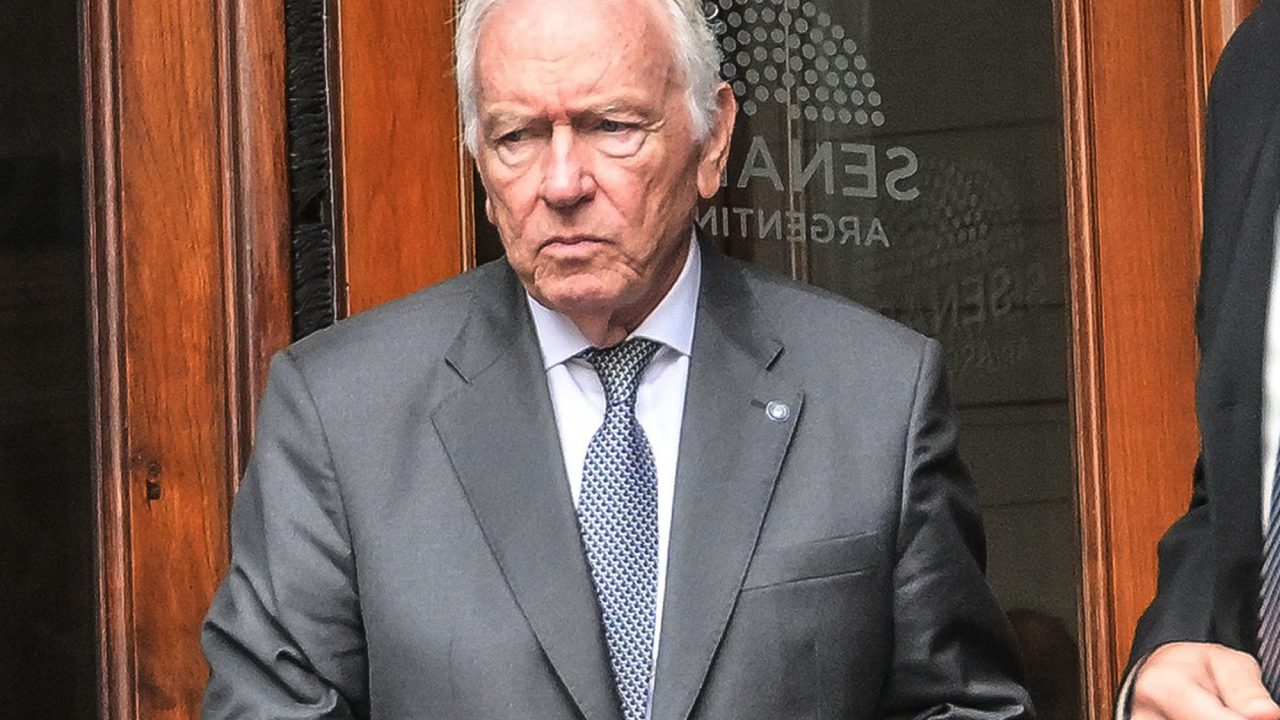
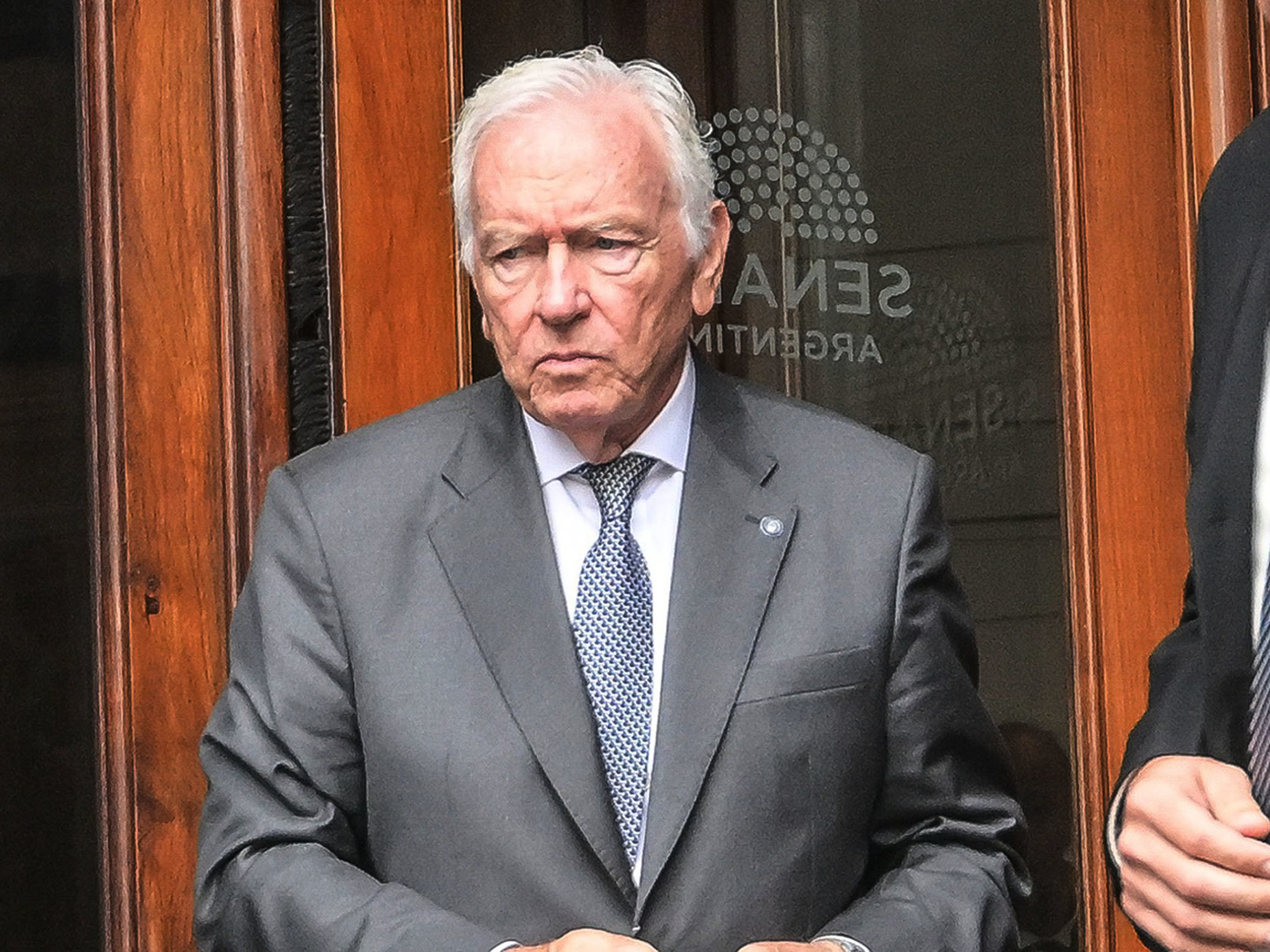
A recent public opinion survey conducted by the Observatory of Applied Social Psychology at the University of Buenos Aires (UBA) has highlighted a significant crisis of legitimacy surrounding Argentina’s judicial system. The findings indicate an overwhelming lack of public confidence in its efficiency, impartiality, and independence, with citizens expressing profound dissatisfaction.
Public Confidence Plummets
The survey reveals that on a scale of 1 to 10, public trust in the justice system barely registers at 2.5. This low score is consistent across the political spectrum, with those who voted for Javier Milei in the 2023 presidential election giving it a score of 2.6, while supporters of Sergio Massa rated it at 2.4. This near-universal distrust suggests a shared concern regarding the judiciary’s performance, transcending political divides.
Efficiency and Impartiality Questioned
An overwhelming 94% of respondents believe the administration of justice is “little or not at all efficient,” with 57% stating it is “not at all efficient.” Furthermore, 89% perceive the system as not impartial, with a significant 70% opining that it heavily favors the rich and powerful, and an additional 19% believing it favors them somewhat. This perception of bias and inefficiency contributes to a broader disillusionment with the judicial process.
Lack of Independence and Worsening Conditions
The independence of the judiciary is also severely doubted, with 94% of those surveyed believing it is influenced by political and economic powers. Looking at the past, 73.8% of respondents feel that the justice system has worsened in recent years, and a concerning 55.8% anticipate it will perform even worse in the future. Only a modest 10% expect some form of improvement.
Perception of Unequal Treatment
A notable finding is the perception that the justice system is “softer” on politicians than on ordinary citizens. According to the UBA survey, 77% of respondents hold this view, with only 1% believing they are treated the same. This reinforces the widespread belief among 93% of the public that the powerful enjoy impunity in Argentina.
Recent Scandals and Their Impact
Recent events have further fueled public skepticism. The article references the case of a father whose daughter was murdered, expressing frustration that the alleged perpetrator was released by a prosecutor after only 20 days, despite having previously held a young woman captive. Another recent scandal involves President Milei’s rejection of a judge’s appointment, reportedly due to her family connection to a journalist whose investigations have been critical of the government. The article also mentions Judge Carlos Mahiques, who, despite recently being approved to continue his term past the age of 75, has proposed sanctions against judges who share information with journalists. This incident occurred after Mahiques was reportedly criticized for celebrating his birthday at a mansion linked to an investigated AFA treasurer.
Consequences for Democracy and Society
The article emphasizes the severe implications of this lack of trust. When a society loses faith in its judges, it becomes more susceptible to violating laws and resorting to vigilantism. The absence of legal certainty, a prerequisite for economic development and investment, is also highlighted. The author quotes Quevedo, stating, “Where there is little justice, it is dangerous to be right.” The erosion of confidence in the judiciary, one of the three branches of government, directly impacts the health of democracy and opens the door to authoritarianism.
Datos clave
| Aspecto | Puntuación/Porcentaje |
|—|—|
| Confianza general en la Justicia | 2,5 (escala de 1 a 10) |
| Percepción de ineficiencia | 94% |
| Percepción de falta de imparcialidad | 89% |
| Percepción de influencia política/económica | 94% |
| Expectativa de mejora en el futuro | 10% |
This situation is crucial for FootballGames10 readers as it underscores the fundamental importance of a fair and functioning justice system for the stability and integrity of any society, including the sporting world. Issues of governance, corruption, and legal recourse within football institutions are directly impacted by the broader legal and judicial environment of a country. A compromised justice system can have far-reaching consequences, affecting everything from player rights to the fairness of competition.
Fuente: Clarin Deportes (https://www.clarin.com/opinion/jueces-banquillo-aplazados_0_O1TgivSOLa.html)
Datos clave
| Punto | Detalle |
|---|---|
| Fuente | Clarin Deportes |
| Fecha | 2026-06-07T23:27:00+00:00 |
| Tema | Jueces: en el banquillo, y aplazados |
Source
Clarin Deportes Original publication: 2026-06-07T23:27:00+00:00
Related news

Real Betis vs Porto: Champions League Clash Preview and Prediction
Real Betis host Porto in a crucial Champions League league-phase match. Preview includes team news, possible lineups, and analysis of both sides'…
Read story
Jaguares Snatch Dramatic 3-2 Win Over Tolima in Liga BetPlay Relegation Battle
Darwin López scored a 92nd-minute winner as Jaguares de Montería secured only their second victory of the Liga BetPlay 2026-II season, defeating…
Read story
San Lorenzo Seek First Win Under Insua as Riestra Visit in Tense Clausura Clash
Ruben Dario Insua makes several changes to his San Lorenzo lineup as the club seeks its first victory of his third tenure,…
Read story
Premier League Predictions: Man United vs Tottenham, Arsenal vs Leeds Headline Saturday’s Fixtures
Sports Mole's roundup of Saturday's Premier League gameweek six predictions, including Manchester United vs Tottenham Hotspur at Old Trafford and Arsenal vs…
Read story