
The Athleticism and Space of Ligue 1: Unpacking French Football’s Tactical Heartbeat
Explore how Ligue 1's tactical landscape is shaped by dynamic athletic transitions and the exploitation of wide spaces, a style deeply rooted in French football culture and player development.
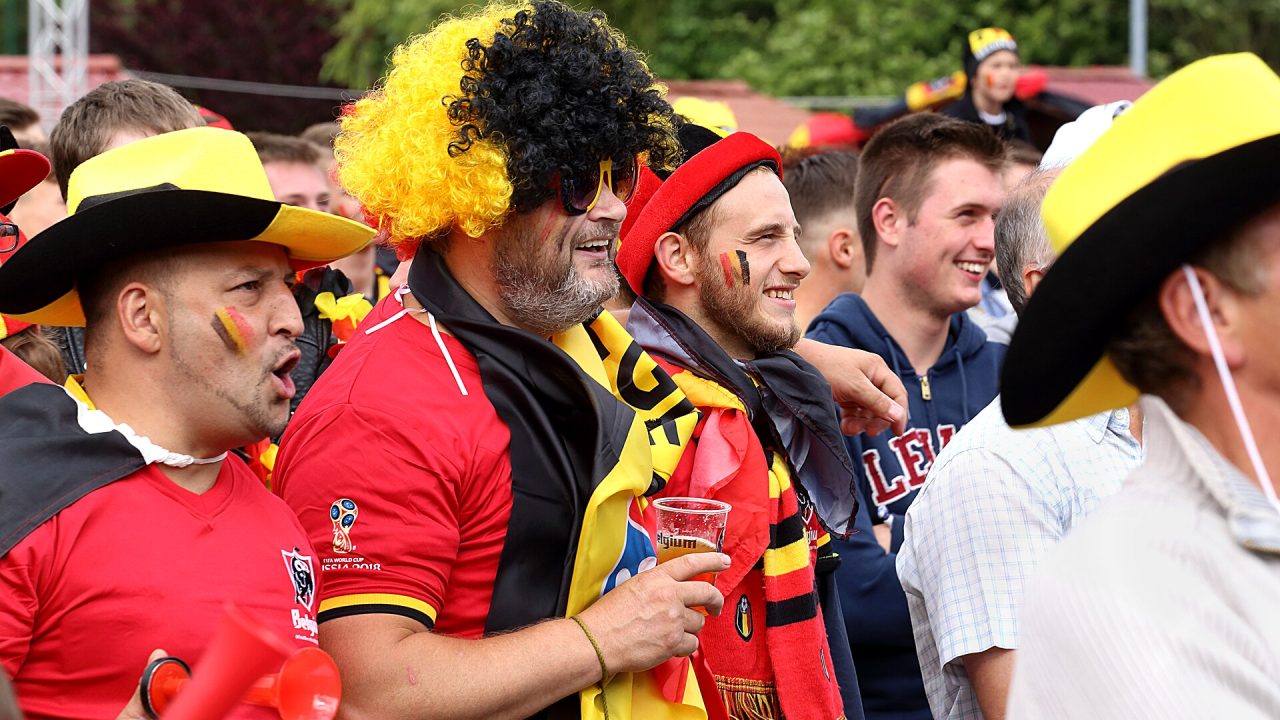
Ligue 1, France’s top professional football division, is often characterized by its unique tactical flavour. Unlike the more structured, possession-heavy approaches sometimes seen in other European leagues, French football, and Ligue 1 in particular, frequently revolves around a high degree of athleticism, rapid transitions, and a pronounced emphasis on exploiting wide spaces. This isn’t merely a coincidence; it’s a reflection of the league’s player development pathways, coaching philosophies, and the cultural approach to the game in France.
Understanding why Ligue 1 tactical matchups so often hinge on these elements provides crucial insight into the league’s identity and the kind of football fans can expect. From the academies nurturing explosive talents to the senior teams deploying them in dynamic systems, the threads of athleticism and spatial awareness are woven throughout the fabric of French football.
The Foundation: French Player Development and Physicality
The roots of Ligue 1’s tactical bent can be traced back to the renowned French football academies. Institutions like Clairefontaine and those operated by major clubs such as Lyon, Monaco, and Rennes, place a significant premium on physical development alongside technical prowess. Young players are not just taught ball control and passing; they are rigorously trained in agility, speed, endurance, and strength. This holistic approach produces footballers who are physically robust and capable of performing at a high intensity for 90 minutes.
This emphasis on athleticism means that a typical Ligue 1 squad is replete with players who possess excellent physical attributes. Midfielders are often box-to-box dynamos, wingers are typically quick and direct, and even central defenders are expected to be fast enough to cover large spaces, particularly in systems that employ a high defensive line or aggressive pressing.
The consequence of this development is a league where individual duels are fierce, and players have the physical capacity to engage in end-to-end football. This naturally lends itself to tactical approaches that capitalize on these physical strengths, favouring speed and power over intricate, slow build-up play.
The Art of Transition: From Defence to Attack in a Flash
One of the most defining characteristics of Ligue 1 tactical matchups is the speed and efficacy of transitions. French teams are often adept at winning the ball back and immediately launching counter-attacks. This isn’t just about hoofing the ball forward; it’s about intelligent movement, direct passing, and exploiting the momentary disorganization of the opponent.
When possession is regained, especially in midfield or defensive areas, the primary objective is often to bypass the opponent’s midfield press and get the ball to attacking players in space as quickly as possible. This requires:
- Quick Decision-Making: Players must instantly assess options and execute passes under pressure.
- Off-the-Ball Movement: Attacking players make intelligent runs into channels or behind the defensive line.
- Technical Execution: Passes must be accurate and weighted to allow the receiver to continue the attack without breaking stride.
This focus on rapid transitions is a direct consequence of the athleticism prevalent in the league. Players have the stamina to sprint forward and track back repeatedly, making these high-intensity exchanges sustainable. It creates a thrilling, often chaotic, spectacle where games can turn on a dime, and goals can come from unexpected bursts of speed.
The Wide Open Spaces: Exploiting the Flanks
Another critical tactical element in Ligue 1 is the strategic utilization of wide areas. French football has a rich history of producing exceptional wingers and full-backs, and the contemporary game continues this tradition. Many Ligue 1 teams build their attacks around stretching the play and creating numerical advantages on the flanks.
This approach manifests in several ways:
- Attacking Full-backs: Modern full-backs in Ligue 1 are often key offensive outlets, bombing forward to provide width, overlap wingers, and deliver crosses. Their athleticism allows them to cover the defensive duties while also contributing significantly to attack.
- Inverted Wingers: While traditional wingers hugged the touchline, many Ligue 1 teams now deploy inverted wingers who cut inside onto their stronger foot, creating space for overlapping full-backs and opening up shooting opportunities or through balls to central attackers.
- Overloads: Teams often create overloads on one flank, drawing defenders to that side before quickly switching play to the opposite flank where a player (often a full-back or an attacking midfielder) has more space to operate.
This tactical emphasis on wide areas means that a significant portion of attacking play originates from the wings. It forces opposing defences to spread out, creating gaps in central areas that can then be exploited by central midfielders or strikers making late runs. The ability to defend these wide areas effectively and to launch attacks from them is often a key determinant of success in Ligue 1.
Tactical Table: Key Characteristics of Ligue 1 Matchups
To summarize the tactical characteristics often observed in Ligue 1:
| Characteristic | Description | Impact on Play |
|---|---|---|
| High Athleticism | Players possess excellent physical attributes: speed, stamina, strength. | Intense individual duels, high pressing, end-to-end football. |
| Rapid Transitions | Quick shifts from defence to attack upon winning possession. | Counter-attacking threats, vulnerability to counter-attacks, fast-paced games. |
| Wide Area Focus | Strategic use of flanks for attacking build-up, crosses, and creating space. | Attacking full-backs, inverted wingers, switches of play, stretched defences. |
| Fluid Formations | Teams often adapt formations within a game to suit transition play or exploit specific spaces. | Tactical flexibility, players often comfortable in multiple roles. |
| Aggressive Pressing | Teams frequently engage in high-intensity pressing to win the ball back in advanced areas. | High turnovers, direct routes to goal, physically demanding for all players. |
What is Known, What is Uncertain, and Why it Matters
What is Known: The core principles of athleticism, rapid transitions, and wide play are deeply ingrained in Ligue 1’s tactical identity. This style is supported by the French player development system and has produced numerous world-class talents known for their physical prowess and attacking directness.
What is Uncertain: While these characteristics are prevalent, the precise manifestation of these tactics can vary significantly between clubs and coaches. A club like Paris Saint-Germain, with its immense resources, might deploy these principles with a higher degree of individual brilliance and sophisticated tactical overlays compared to teams with more modest budgets. The evolution of coaching trends also means that while the underlying principles remain, their application might shift over seasons. For example, a coach might choose to emphasize defensive solidity more, but still rely on fast breaks from wide areas once possession is won.
Why it Matters for Readers: For fans and analysts, understanding these tactical underpinnings enriches the viewing experience. It helps explain why games can be so open and thrilling, why certain players excel in the league, and why French teams can be formidable opponents in European competitions, especially when they can leverage their physical advantages. For bettors, it provides context for predicting game flow, potential goal-scoring patterns, and the impact of individual player absences. For instance, the absence of a key athletic winger or a dynamic box-to-box midfielder can significantly alter a team’s ability to execute its preferred transition-based or wide-play tactics.
The Future of Ligue 1 Tactics
As football evolves, so too will Ligue 1. However, the fundamental emphasis on athleticism and the intelligent exploitation of space seems unlikely to diminish. French academies continue to produce players with these attributes, and the cultural inclination towards direct, dynamic football remains strong. We might see further refinements in pressing schemes, more sophisticated use of data to identify and exploit spatial weaknesses, and continued innovation in how full-backs and wingers combine.
Ultimately, Ligue 1 offers a distinct and exciting brand of football, one where the physical capabilities of its athletes and the vastness of the pitch are not just backdrops, but central characters in every tactical narrative.
Related news
Jesse Marsch says Canada “not afraid” as USMNT friendly intensifies rivalry
Canada coach Jesse Marsch has welcomed the pressure of facing the United States, stating his team is “not afraid” as the two…
Read story
Scotland vs Slovenia: Nations League Group B1 Clash at Hampden Park
Scotland and Slovenia meet at Hampden Park in a pivotal Nations League Group B1 encounter, with both sides level on four points…
Read story
Padres Turn to Robbie Ray for NLDS Game 1 Start as Walker Buehler Goes on Paternity List
San Diego Padres manager Craig Stammen named Robbie Ray the starter for Game 1 of the NL Division Series against Milwaukee after…
Read story
Serie A Clubs Hit by Friendly Upsets as Juventus and Napoli Fall, Milan Draw
Juventus and Napoli suffered surprise defeats in midweek friendlies, while Milan were held by Padova. Frosinon e were the only Serie A…
Read story