
Mariano Moreno’s Enduring Principles: Liberty and Public Service Echo Through Centuries
A look back at the foundational ideas of Mariano Moreno, founder of La Gazeta de Buenos Ayres, and their surprising relevance today.
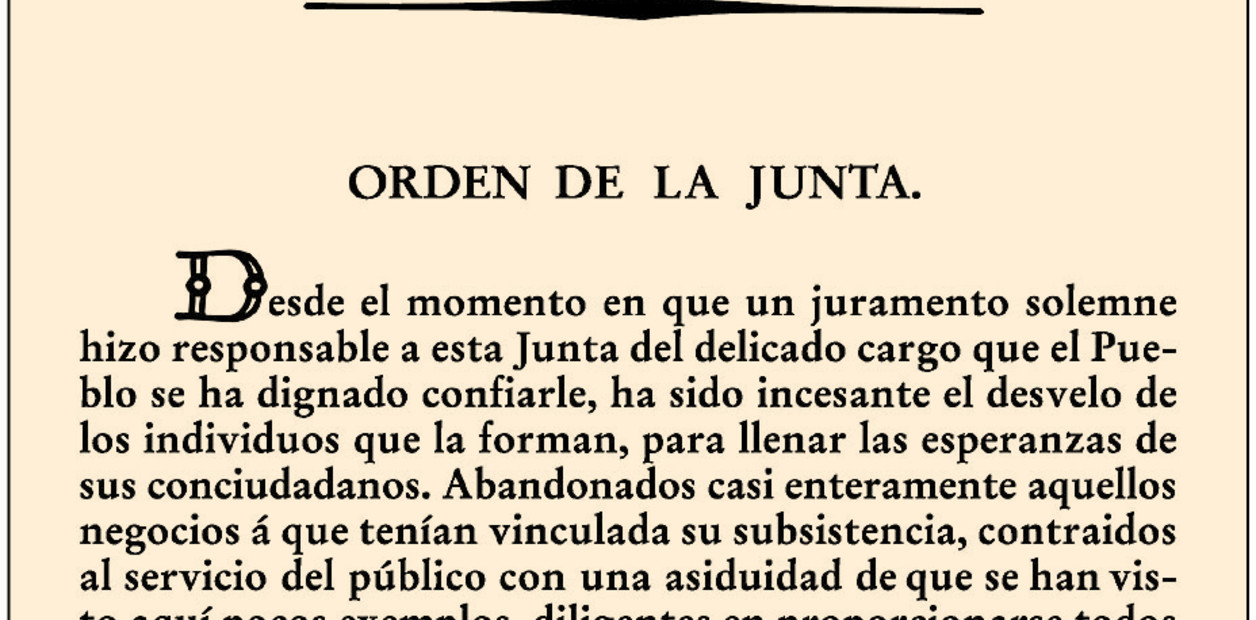
The foundational ideas of Mariano Moreno, the driving force behind the early Argentinian newspaper La Gazeta de Buenos Ayres, continue to resonate, proving remarkably relevant even in 2026. The publication, which first appeared on June 7, 1810, was more than just a newspaper; it was a platform for principles that championed transparency, accountability, and the public’s right to know.
Moreno’s Vision of Public Service
Mariano Moreno, a young lawyer, possessed a sharp intellect and a deep passion for justice. He held a strong disdain for corruption and the arrogance of the powerful. His conviction was clear: “It cannot be tolerated that self-love or personal interests sustain conduct that compromises public tranquility.” This philosophy permeated his work and his vision for a nascent nation.
His role as the author of the Decree for the Suppression of Honors for the President highlighted his commitment to egalitarianism and the rejection of undue privilege. One article specifically stated that “the wives of political and military public officials shall not enjoy military honors or other prerogatives of their husbands…” This was a direct challenge to the established norms of hierarchy and special treatment.
The Right to Information
In the inaugural issue of La Gazeta de Buenos Ayres, dated June 7, 1810, Moreno articulated a fundamental right of the people: “The People have the right to know the conduct of their Representatives, and the honor of these is interested in everyone knowing the execration with which they view those reservations and mysteries invented by power to cover up crimes.” This statement underscores Moreno’s belief in an informed citizenry as crucial for a healthy public sphere.
Moreno’s unwavering defense of freedom of the press was a cornerstone of his ideology. He warned that “if restrictions are placed on discourse, the spirit will vegetate like matter, and error, lies, prejudice, fanaticism, and ignorance will become the creed of the people, and will cause their abasement, ruin, and misery forever.” His words painted a stark picture of the consequences of stifled expression, a warning that remains potent.
Balancing Power and Liberty
In an extraordinary edition of La Gazeta on November 6, 1810, Moreno delved into the complexities of governance. He wrote, “Let the citizen respectfully obey the magistrates; let the magistrate blindly obey the laws; this is the ultimate point of perfection of wise legislation; this is the sum of all regulations consecrated to maintaining the purity of administration. But what will be the powerful spring that contains the passions of the magistrate and represses the natural inclination of command towards usurpation? How will the obedience of the people be established without the risks of falling into abasement, or will their freedom be promoted without the dangerous reefs of unbridled license?”
He proposed a solution rooted in the balance of powers: “Let the powers be balanced and the purity of administration will be maintained.” This early articulation of checks and balances reflects a sophisticated understanding of political theory, aimed at preventing the abuse of power while safeguarding individual liberties.
Enduring Relevance
The principles championed by Mariano Moreno in 1810—transparency, accountability, freedom of the press, and the balance of powers—are not relics of the past. As noted in the article’s reflection, these ideas are “as valid in 1810 as in 2026.” In an era where information flows instantaneously and the scrutiny of public figures is constant, Moreno’s emphasis on an informed public and ethical governance remains a vital benchmark. His legacy serves as a reminder that the fight for liberty and responsible leadership is an ongoing endeavor.
Datos clave
Publication: La Gazeta de Buenos Ayres
Founder: Mariano Moreno
First Issue Date: June 7, 1810
Key Principles: Freedom of the press, public accountability, balance of powers
This historical reflection on Mariano Moreno’s enduring principles is relevant for FootballGames10 readers by highlighting the foundational importance of transparency and informed public discourse. These values are essential not only in political and social spheres but also in how information is consumed and shared within any community, including the world of sports. Moreno’s arguments for an informed citizenry and against the abuse of power resonate with the need for fair reporting and critical analysis in all fields, including football.
Fuente: Clarin Deportes https://www.clarin.com/opinion/moreno-1810-2026_0_7LTXicCbCV.html
Datos clave
| Punto | Detalle |
|---|---|
| Fuente | Clarin Deportes |
| Fecha | 2026-06-06T23:01:50+00:00 |
| Tema | Moreno, en 1810 y en 2026 también |
Source
Clarin Deportes Original publication: 2026-06-06T23:01:50+00:00
Related news

Jaguares Snatch Dramatic 3-2 Win Over Tolima in Liga BetPlay Relegation Battle
Darwin López scored a 92nd-minute winner as Jaguares de Montería secured only their second victory of the Liga BetPlay 2026-II season, defeating…
Read story
San Lorenzo Seek First Win Under Insua as Riestra Visit in Tense Clausura Clash
Ruben Dario Insua makes several changes to his San Lorenzo lineup as the club seeks its first victory of his third tenure,…
Read story
Premier League Predictions: Man United vs Tottenham, Arsenal vs Leeds Headline Saturday’s Fixtures
Sports Mole's roundup of Saturday's Premier League gameweek six predictions, including Manchester United vs Tottenham Hotspur at Old Trafford and Arsenal vs…
Read story
One Injured in Marble Hill Shooting; No Football Disruption Confirmed
A person was hospitalized after a shooting reportedly involving federal agents in New York’s Marble Hill neighborhood. The initial account identifies no…
Read story