
The Mid-Season Transfer: A Tactical Refresh or a Temporary Fix?
Explore how mid-season transfers can reshape a team's tactical landscape, offering immediate boosts while often leaving underlying squad issues unresolved. We examine the strategic decisions behind January window moves and their long-term impact.
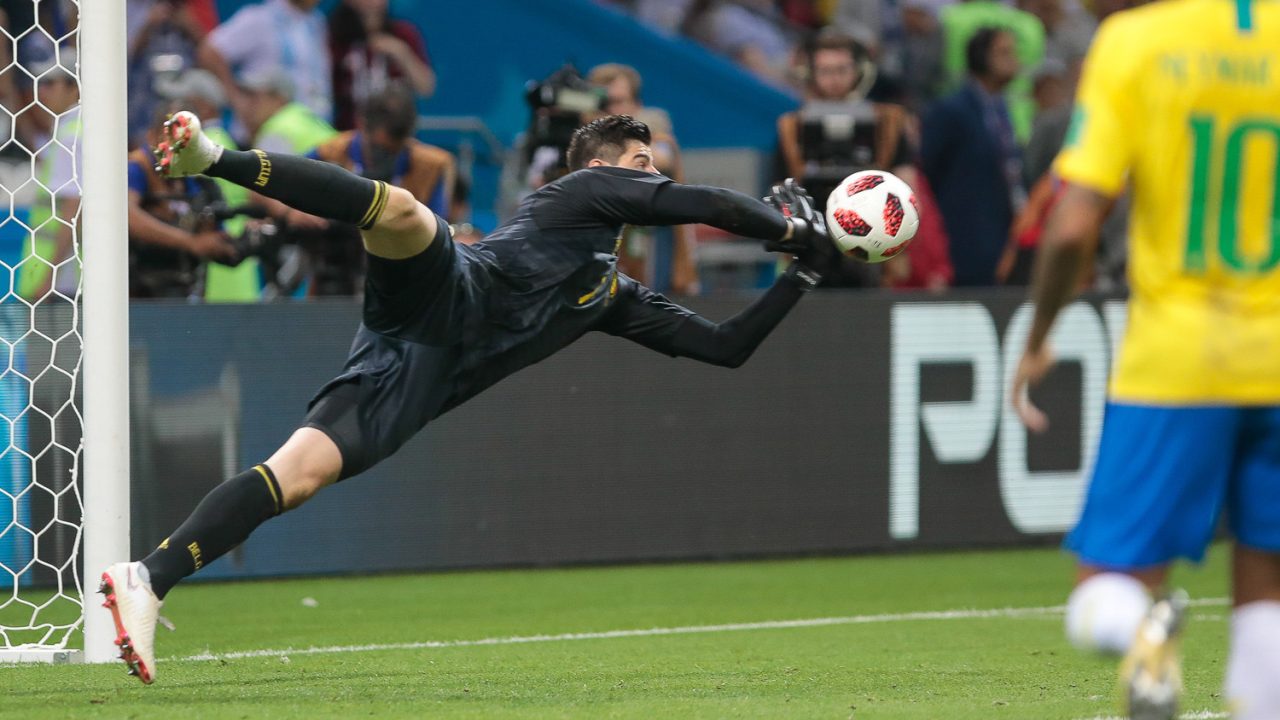
The January transfer window is often a period of frantic activity, a last-ditch effort for clubs to salvage a season, push for a title, or avoid relegation. Unlike the more considered summer window, mid-season transfers are typically driven by immediate needs: injuries, underperforming players, or a sudden tactical shift demanded by a manager. While a new signing can undeniably inject fresh impetus and alter a team’s tactical balance, the question remains: do these moves truly solve underlying squad problems, or do they merely provide a temporary fix?
The allure of a mid-season transfer lies in its potential for instant impact. A struggling team might acquire a prolific striker to boost their goal tally, or a title contender might bring in a robust midfielder to shore up their engine room. These additions can quickly change the dynamic of a squad, offering new tactical options and surprising opponents. However, integrating a new player mid-season comes with its own set of challenges, from adapting to a new system and teammates to settling into a new city and culture.
Immediate Tactical Impact of Mid-Season Transfers
A well-executed mid-season transfer can profoundly affect a team’s tactical approach. Consider a side lacking creativity in midfield. Bringing in an attacking midfielder known for their vision and passing range can immediately unlock defenses and create more scoring opportunities. This isn’t just about adding a player; it’s about adding a profile that was previously missing. For instance, a team struggling to play out from the back might sign a ball-playing centre-back, allowing them to transition from a more direct style to a possession-based game. Conversely, a club with a porous defense might recruit an experienced, no-nonsense defender to provide stability and leadership. These specific additions can enable a manager to implement previously unavailable tactical schemes or make existing ones more effective.
The psychological boost cannot be underestimated either. A new signing, especially one with a good reputation, can lift team morale and fan expectations. It signals ambition from the club and can reignite a faltering campaign. This renewed energy can translate into improved performances on the pitch, even before the new player has fully integrated. Beyond individual impact, a new signing can also force existing players to raise their game, creating healthy competition for places and ultimately benefiting the entire squad.
The Challenge of Integration and System Fit
While the potential for immediate impact is high, the reality of integrating a new player mid-season is complex. Unlike a pre-season acquisition where a player has weeks to train and bond with their new teammates, a January signing is often thrown straight into competitive action. They might miss crucial tactical sessions, struggle to grasp the nuances of a new system, or find it difficult to build chemistry with existing players under match pressure.
Managers face a delicate balancing act. They need to find a way to incorporate the new talent without disrupting the existing team cohesion, which, even if imperfect, has been built over months. Sometimes, a player’s individual brilliance can shine through regardless, but often, a period of adjustment is required. This adjustment period can sometimes be longer than the remainder of the season, leading to debates about the true value of such short-term investments. Moreover, the availability of top-tier talent in January is often limited. Clubs are typically reluctant to let go of their best players mid-season, especially if they are performing well. This means that many mid-season transfers involve players who are either out of favour, returning from injury, or are considered squad rotation options rather than undisputed starters. While these players can still contribute, they might not always be the perfect tactical fit or the long-term solution a club truly needs.
Addressing Symptoms, Not Cures
The biggest critique of mid-season transfers is that they often address symptoms rather than underlying problems. A club might sign a striker because they aren’t scoring enough goals, but the real issue could be a lack of creativity from midfield, a disjointed tactical setup, or a deeper problem with team morale or coaching. A new striker might paper over these cracks for a few weeks, but without addressing the root cause, the problems are likely to resurface.
Consider a team battling relegation due to a consistently leaky defense. Signing one centre-back might provide some solidity, but if the defensive issues stem from a lack of pressing from the forwards, poor midfield screening, or individual errors across the backline, one player alone cannot solve it. The new signing might improve the tactical balance in one specific area, but the overall structural weaknesses remain. True tactical solutions often require systemic changes, not just individual player upgrades.
Financial Implications and Market Dynamics
The January transfer window operates under unique financial pressures. Due to the urgency and limited supply of available talent, prices for players can often be inflated compared to the summer window. Clubs desperate to avoid relegation or secure a Champions League spot might pay a premium for a player who would cost significantly less a few months later. This can lead to questionable long-term value for money, even if the immediate impact is positive.
Furthermore, wages can also be higher as players often demand better terms for moving mid-season and disrupting their lives. This short-term financial outlay needs to be carefully weighed against the potential gains, both on and off the pitch. A successful mid-season transfer can justify the expense, but a failed one can leave a club with a depreciating asset and a dent in its finances, impacting future transfer windows.
Long-Term Squad Planning vs. Short-Term Gains
For clubs with a clear long-term vision, mid-season transfers are ideally used to accelerate existing plans or fill unforeseen gaps with players who fit the club’s philosophy. However, for many, the January window becomes a reactive scramble. This can lead to hurried decisions, overpaying for players, or acquiring individuals who don’t truly align with the club’s long-term tactical or financial strategy.
A truly successful transfer strategy, whether in summer or winter, involves a holistic view of the squad. It’s about identifying not just who is needed, but why they are needed, and how they will fit into the broader tactical framework and club culture. A mid-season transfer, while offering a crucial tactical refresh, rarely provides all the answers to a squad’s deeper structural problems. It’s often a strategic patch, buying time for more comprehensive solutions in the summer, or a gamble that, if it pays off, can propel a team to unexpected heights.
| Aspect | Benefit of Mid-Season Transfer | Potential Drawback |
|---|---|---|
| Tactical Flexibility | Adds new dimensions to team play, enables alternative formations. | New player may struggle with system adaptation, disrupting existing chemistry. |
| Immediate Impact | Provides instant boost in specific areas (e.g., goals, defense). | Performance can be inconsistent due to lack of pre-season integration. |
| Squad Depth | Covers injuries, suspensions, and reduces fatigue. | May not be a long-term solution or fit club’s future plans. |
| Morale Boost | Re-energises players and fans, signals ambition. | High expectations can lead to disappointment if impact is slow. |
| Value for Money | Can secure players who become available unexpectedly. | Often inflated prices due to urgency and limited market. |
Case Studies: Successes and Failures
History is littered with examples of both profoundly successful and spectacularly unsuccessful mid-season transfers. Think of Bruno Fernandes’ arrival at Manchester United in January 2020, which revitalized their midfield and propelled them toward a Champions League spot. His immediate impact was undeniable, providing creativity and goals that were sorely lacking. Similarly, Virgil van Dijk’s move to Liverpool dramatically shored up their defense and was instrumental in their subsequent triumphs. These were instances where specific tactical gaps were filled by world-class talent, leading to a significant and lasting positive shift.
On the other hand, there are countless examples of players brought in with high hopes who failed to adapt, either due to tactical incompatibility, injury, or simply a lack of form. These transfers often highlight the risks involved, demonstrating that even a player with a strong reputation might not immediately click within a new environment. The pressure cooker of mid-season football leaves little room for error or a lengthy adjustment period, making the decision-making process even more critical.
Ultimately, the effectiveness of a mid-season transfer in altering tactical balance without solving every squad problem hinges on the specificity of the need, the quality of the player acquired, and the manager’s ability to integrate them swiftly and effectively. It’s a high-stakes game of immediate impact versus long-term sustainability, where success often depends on careful planning despite the inherent urgency of the window. Clubs must weigh the desire for an instant fix against the potential for long-term strategic disruption, understanding that a temporary boost might not always lead to a permanent solution.
Related news
Jesse Marsch says Canada “not afraid” as USMNT friendly intensifies rivalry
Canada coach Jesse Marsch has welcomed the pressure of facing the United States, stating his team is “not afraid” as the two…
Read story
Scotland vs Slovenia: Nations League Group B1 Clash at Hampden Park
Scotland and Slovenia meet at Hampden Park in a pivotal Nations League Group B1 encounter, with both sides level on four points…
Read story
Padres Turn to Robbie Ray for NLDS Game 1 Start as Walker Buehler Goes on Paternity List
San Diego Padres manager Craig Stammen named Robbie Ray the starter for Game 1 of the NL Division Series against Milwaukee after…
Read story
Serie A Clubs Hit by Friendly Upsets as Juventus and Napoli Fall, Milan Draw
Juventus and Napoli suffered surprise defeats in midweek friendlies, while Milan were held by Padova. Frosinon e were the only Serie A…
Read story