
The Unseen Hurdles: How Neutral Venues, Travel, and Climate Impact Tournament Performance
Explore the subtle yet significant ways neutral venues, extensive travel, and challenging climates can shape team performance in major football tournaments. From logistical complexities to physiological demands, understand the factors beyond tactics that determine success.

Football tournaments, from the FIFA World Cup to continental championships like the UEFA Champions League or the Copa América, are designed to test the pinnacle of athletic ability, tactical prowess, and mental fortitude. Yet, beyond the visible challenges of formidable opponents and high-stakes matches, unseen forces often shape a team’s destiny: neutral venues, extensive travel, and demanding climatic conditions. These factors, often overlooked by casual observers, can profoundly impact player performance, team cohesion, and ultimately, a nation’s or club’s tournament journey.
Understanding these external variables is crucial for fans, analysts, and crucially, the teams themselves. Preparing for a major tournament involves not just rigorous training and strategic planning but also meticulous logistical arrangements to mitigate the disadvantages posed by these environmental and geographical hurdles.
The Dynamics of Neutral Venues
A neutral venue, by definition, is a stadium or city that is not the home ground of either participating team. While often employed for finals, cup competitions, or in situations demanding impartiality, neutral venues introduce a unique set of challenges and opportunities.
Loss of Home Advantage: The most immediate impact is the absence of a home crowd’s fervent support. Home advantage is a well-documented phenomenon in football, attributed to factors like crowd noise influencing officials, familiar surroundings, shorter travel, and reduced anxiety. Playing in a neutral stadium strips away this psychological and sometimes practical edge, forcing teams to rely purely on their intrinsic qualities. For instance, in a UEFA Champions League final held in a third country, neither team benefits from a partisan crowd beyond their traveling supporters, leveling the playing field in a specific way.
Logistical Complexity: For teams, a neutral venue often means unfamiliar training facilities, hotels, and travel routes within the host city. While tournament organizers, like FIFA or UEFA, strive to provide equitable conditions, subtle differences can arise. Teams need to adapt quickly to new environments, which can be disruptive to established routines. This includes everything from pitch conditions to local transportation.
Economic and Fan Impact: From a fan perspective, neutral venues can be a double-edged sword. They offer a unique experience for supporters willing to travel but can also inflate travel costs and reduce overall attendance if the venue is geographically inconvenient for both sets of fans. This can sometimes lead to a less vibrant atmosphere, although major finals often overcome this with global appeal.
The Toll of Travel: Fatigue and Disruption
Modern football demands global travel, especially for international tournaments that crisscross continents. The impact of travel on player performance is multifaceted and can be a significant determinant of success.
Travel Fatigue: Long-haul flights, often involving multiple time zone changes, lead to jet lag. Symptoms such as disrupted sleep patterns, fatigue, reduced cognitive function, and impaired physical performance can persist for several days. A study published in the British Journal of Sports Medicine highlighted how long-distance travel significantly impacts athletic performance, particularly in sports requiring high levels of precision and endurance. Teams participating in tournaments like the FIFA Club World Cup, which often involves intercontinental travel for several teams, are particularly susceptible to these effects.
Logistical Strain: Beyond the physical toll, travel imposes significant logistical strain. Packing, airport transfers, security checks, and acclimatization periods eat into valuable training and recovery time. The cumulative effect of multiple short-haul flights within a host country during a group stage, followed by longer trips for knockout rounds, can be taxing. Teams must carefully manage travel schedules, often chartering private flights to minimize disruption and maximize recovery.
Training Disruption: Each travel day is a day lost from a structured training schedule. Adjusting to new training facilities, pitch conditions, and local amenities requires time. Maintaining peak physical condition and tactical sharpness becomes a balancing act between travel demands and preparation needs.
Climate: The Invisible Opponent
Playing conditions vary drastically across the globe. From the scorching heat of the Middle East to the humid climes of South America or the icy grip of a European winter, climate can be as challenging an opponent as any rival team.
Heat and Humidity: High temperatures and humidity pose significant physiological challenges. Players are at increased risk of heat stroke, dehydration, and muscle cramps. Performance metrics, such as running distance, sprint speed, and decision-making, can decline sharply. FIFA and other governing bodies often implement cooling breaks during matches played in extreme heat, but these only partially mitigate the effects. For example, the 2014 FIFA World Cup in Brazil saw numerous games played in challenging tropical conditions, leading to visible fatigue among players. The 2022 FIFA World Cup in Qatar was famously moved to winter to avoid the summer heat, a testament to the profound impact climate can have.
Altitude: Playing at high altitude, common in parts of South America (e.g., Bolivia, Ecuador) or specific venues like Mexico City, significantly reduces oxygen availability. Athletes unaccustomed to these conditions experience shortness of breath, fatigue, and reduced aerobic capacity. While some teams train at altitude to acclimatize, others struggle to adapt, particularly if they arrive close to match day.
Cold and Rain: While less directly dangerous than extreme heat, cold weather and heavy rain can also affect performance. Cold can lead to muscle stiffness and increased injury risk, while wet pitches alter ball dynamics and make footing treacherous, potentially impacting technical play and speed.
Mitigating the Challenges
Successful teams and federations employ various strategies to minimize the negative impacts of these factors:
- Advanced Scouting and Logistics: Thorough reconnaissance of venues, training grounds, and accommodation.
- Scientific Travel Management: Utilizing sport science to manage jet lag, optimize sleep, and plan travel times.
- Acclimatization Camps: Arriving early in host countries, especially for high-altitude or hot climates, to allow players to adapt.
- Hydration and Nutrition Protocols: Strict dietary and hydration plans tailored to environmental conditions.
- Squad Depth and Rotation: A deeper squad allows coaches to rotate players, managing fatigue and reducing the burden on key individuals.
| Factor | Potential Impact on Performance | Mitigation Strategy |
|---|---|---|
| Neutral Venue | Loss of home advantage, unfamiliarity | Early arrival, detailed venue scouting, mental prep |
| Long-Haul Travel | Jet lag, fatigue, disrupted routine | Charter flights, sleep protocols, staggered arrival |
| High Heat/Humidity | Dehydration, fatigue, reduced intensity | Acclimatization, cooling vests, strict hydration |
| High Altitude | Reduced oxygen, breathlessness, fatigue | Altitude training camps, early acclimatization |
| Cold/Wet Weather | Muscle stiffness, injury risk, tricky pitch | Appropriate gear, warm-ups, pitch assessment |
Conclusion: Beyond the Pitch
The glory of a tournament victory often overshadows the intricate web of challenges faced by participating teams. Neutral venues, the rigors of global travel, and the unforgiving hand of climate are not mere footnotes but integral components of the tournament narrative. They test a team’s resilience, the efficacy of its support staff, and the strategic foresight of its management.
For readers, understanding these elements provides a richer appreciation of the sport. The next time you watch a crucial knockout match, consider not just the tactics on display but also the unseen battles waged against fatigue, unfamiliarity, and environmental extremes. These are the unseen hurdles that separate contenders from true champions, proving that success in football tournaments is as much about conquering the conditions off the pitch as it is about dominating the opposition on it.
Related news

Bruno Fernandes Contract Talks Underway as Man United Face Key Summer Decisions
Manchester United are in active discussions with captain Bruno Fernandes over a contract extension, according to reports, as the 32-year-old enters the…
Read story
Celtic’s Europa League struggles deepen as Benfica expose familiar flaws
A 4-1 defeat in Lisbon leaves Celtic with two losses from two Europa League group games. Martin O’Neill sees positives in the…
Read story
Borussia Dortmund Fall to Bodø/Glimt in Champions League Shock
Fredrik Sjøvold’s second-half strike gave the Norwegian side a 1-0 win over Niko Kovač’s Dortmund, who struggled to break down a disciplined…
Read story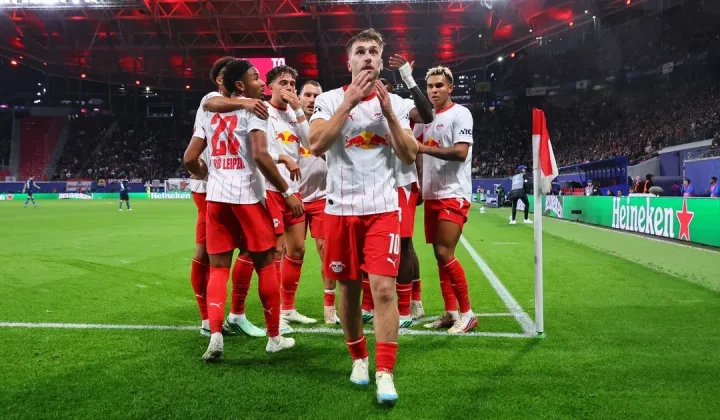
Brajan Gruda Strike Gives RB Leipzig 1-0 Champions League Win Over PSV
Brajan Gruda scored in the 75th minute after Maarten Vandevoordt saved an Ivan Perisic penalty as RB Leipzig defeated PSV Eindhoven 1-0.
Read story