
Norway’s Wing Wizards: Can Their Attacking Style Unsettle Brazil in World Cup Knockout?
Norway's impressive wing play, showcased against Ivory Coast, could pose a unique tactical challenge for Brazil's defense as they meet in the World Cup round of 16.
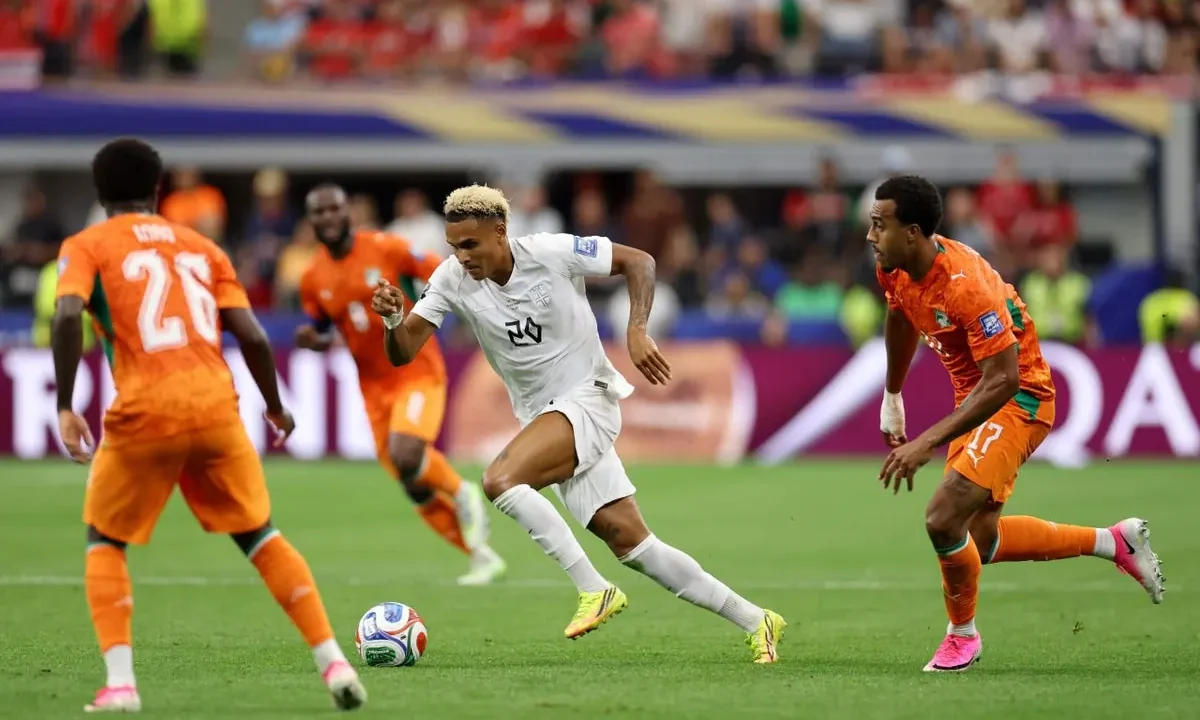
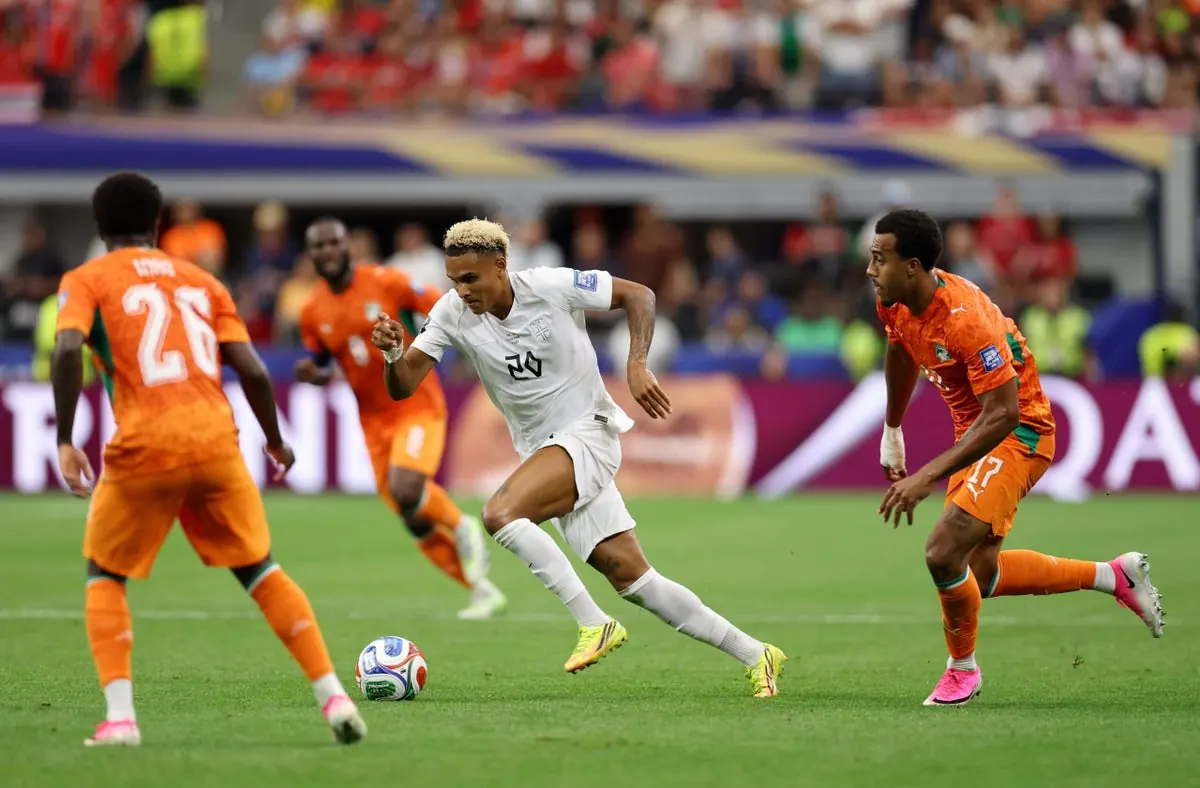
Norway’s journey to the World Cup round of 16 has been characterized by an attacking flair that heavily features its wingers, a tactical approach that could prove a significant test for their next opponent, Brazil. The recent encounter against Ivory Coast offered a clear demonstration of how Norway, and potentially their rivals, can exploit wide areas to create scoring chances.
Wing Play Dominance in Group Stages
The tactical formations deployed by both Norway and Ivory Coast in their crucial group stage finale emphasized the importance of the flanks. Norway, with Erling Haaland as their primary attacking threat, often utilizes Alexander Sorloth as a right-sided forward. Their offensive strategy frequently involves their right-back pushing forward to provide width. On the opposite wing, Antonio Nusa operates as a traditional, skillful winger, supported by overlapping runs from David Moller Wolfe.
This attacking model, while instrumental in Norway scoring eight goals during the group stage, also saw them concede in every match. This suggests a high-risk, high-reward approach focused on outscoring opponents. In contrast, Ivory Coast navigated their group matches with tighter defensive structures, achieving progression through late drama and relying on the individual brilliance of wingers such as Yan Diomande, Nicolas Pepe, and Amad Diallo.
Nusa’s Masterclass and Tactical Execution
Antonio Nusa’s opening goal against Ivory Coast served as a perfect illustration of Norway’s fluid attacking combinations. The build-up originated down the left flank, with left-back Wolfe making an overlapping run to support Nusa. Following a series of precise passes, Wolfe found himself in an advanced position within the penalty area, effectively pinning back Ivory Coast’s right-back Guela Doue. This created a one-on-one defensive scenario for winger Nicolas Pepe against Nusa, a situation coaches often seek to avoid. Seizing the opportunity, Nusa cut inside and curled a shot past the goalkeeper, a signature finish that underscored his individual talent and the efficacy of Norway’s wide attacking setups.
Ivory Coast’s Reliance on Wide Threats
Ivory Coast, lacking a direct aerial threat like Haaland or Sorloth, depended on their wingers to make runs into the box during crossing situations. Diomande and Pepe were key figures in this strategy, often supported by overlapping runs from right-back Doue. Despite creating a significant number of corner kicks (14 to Norway’s 3), Ivory Coast struggled to convert their territorial dominance into goals until later in the match.
Strategic Adjustments and the Equalizer
In the second half, Ivory Coast introduced Amad Diallo and shifted to a 4-2-3-1 formation. Diallo, drifting towards the right flank, combined effectively with Pepe. His skillful dribbling allowed him to weave through the Norway defense, culminating in a composed finish into the bottom-left corner to level the score. This demonstrated Ivory Coast’s adaptability and their capacity to exploit defensive spaces, particularly when Norway adopted a deeper defensive posture.
Haaland’s Decisive Finish
However, Norway’s ability to capitalize on transitional moments proved decisive. Shortly after Ivory Coast’s equalizer, a swift counter-attack saw substitute Oscar Bobb, a left-footed winger, initiate the winning play. His intelligent movement and precise pass created a more dangerous attacking option for Patrick Berg, who then laid the ball across for Erling Haaland to tap in the winning goal. This goal highlighted Norway’s effectiveness in quick transitions and the impact of players with diverse skill sets, such as Bobb, in creating scoring opportunities.
Tactical Implications for Brazil
Norway’s upcoming match against Brazil in the round of 16 promises a compelling tactical contest. Brazil, despite their formidable attacking capabilities, have exhibited defensive vulnerabilities, particularly in their full-back positions and their susceptibility to counter-attacks, as highlighted by Morocco’s performance earlier in the tournament. Considering Vinicius Junior’s match-winning performances for Brazil, the wide areas are expected to be a critical battleground. Norway’s demonstrated proficiency in exploiting these zones could present a significant challenge for the Brazilian defense.
Key Matchups and Tactical Considerations
| Aspect | Detail |
|---|---|
| Match | Norway vs. Ivory Coast |
| Key Players | Antonio Nusa (Norway), Erling Haaland (Norway), Amad Diallo (Ivory Coast) |
| Tactical Theme | Wing play and wide attacking combinations |
| Outcome | Norway won 2-1 |
| Next Opponent | Brazil |
The manner in which Norway utilizes its wingers, creating overloads and exploiting defensive gaps, could be a pivotal factor in their encounter with Brazil. For Brazil, reinforcing their wide defensive areas and effectively neutralizing Norway’s threats will be crucial for their progression in the tournament.
Source: The Athletic Football – Norway edged a game in which wingers made the difference. That may be a problem for Brazil – https://www.nytimes.com/athletic/7410854/2026/06/30/norway-ivory-coast-brazil-nusa-wingers/
Source
The Athletic Football Original publication: 2026-07-01T00:28:17+00:00
Related news
Celtic’s Europa League struggles deepen as Benfica expose familiar flaws
A 4-1 defeat in Lisbon leaves Celtic with two losses from two Europa League group games. Martin O’Neill sees positives in the…
Read story
Borussia Dortmund Fall to Bodø/Glimt in Champions League Shock
Fredrik Sjøvold’s second-half strike gave the Norwegian side a 1-0 win over Niko Kovač’s Dortmund, who struggled to break down a disciplined…
Read story
Brajan Gruda Strike Gives RB Leipzig 1-0 Champions League Win Over PSV
Brajan Gruda scored in the 75th minute after Maarten Vandevoordt saved an Ivan Perisic penalty as RB Leipzig defeated PSV Eindhoven 1-0.
Read story
Real Betis vs Porto: Champions League Clash Preview and Prediction
Real Betis host Porto in a crucial Champions League league-phase match. Preview includes team news, possible lineups, and analysis of both sides'…
Read story