
Olé at 30: Boca Juniors’ Legacy From Bianchi’s Glory to the Quest for the Seventh Copa Libertadores
Celebrating three decades of Olé, this piece revisits Boca Juniors' journey from turmoil to its golden age under Carlos Bianchi and the ongoing pursuit of a historic seventh Copa Libertadores title.
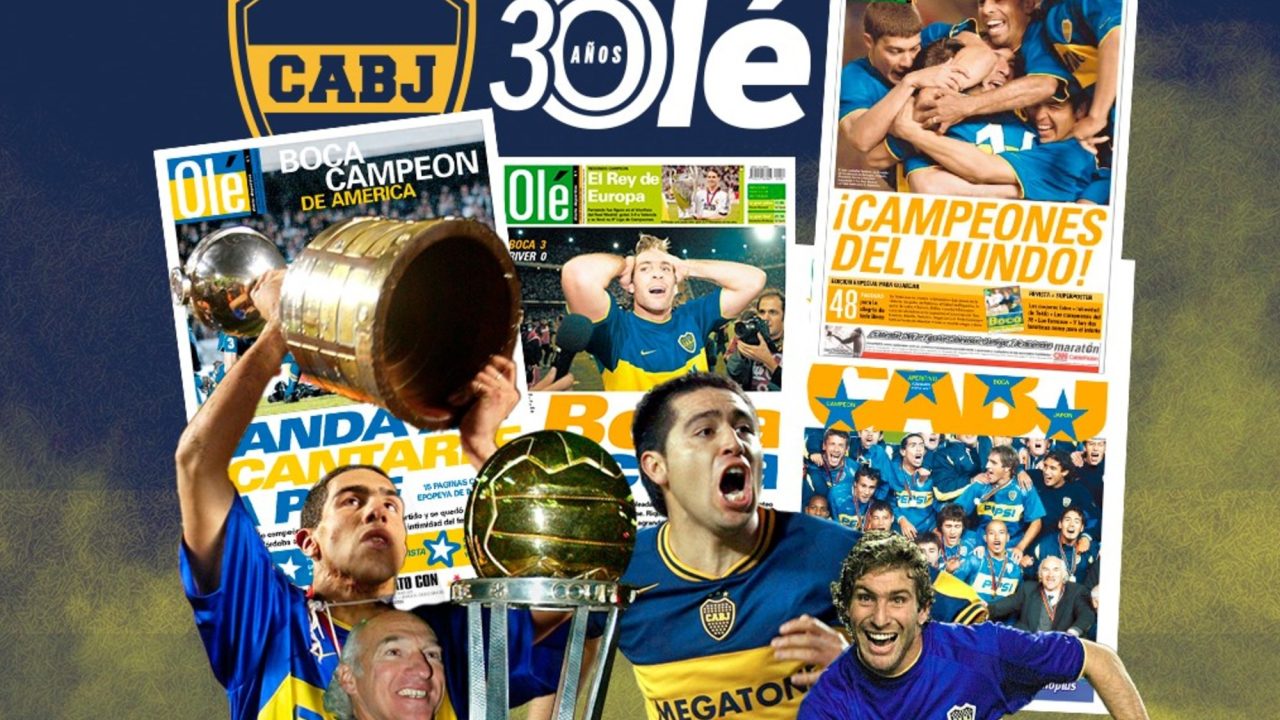

As Argentine sports newspaper Olé celebrates its 30th anniversary, it offers a unique vantage point to re-examine the storied history of Boca Juniors. The club’s trajectory, meticulously documented by the publication, spans from periods of significant uncertainty to its most glorious era under Carlos Bianchi, and extends to its current, fervent pursuit of a seventh Copa Libertadores title. Since its inception, Olé has provided close coverage of “El Xeneize,” chronicling four Libertadores triumphs, two Intercontinental Cups, and the careers of numerous club legends who have shaped its identity.
The early days of Olé coincided with a particularly challenging phase for Boca Juniors. The newspaper’s inaugural cover, three decades ago, starkly reflected the tumultuous tenure of then-coach Carlos Bilardo and the nascent presidency of Mauricio Macri. This period was characterized by instability and a palpable sense of chaos, standing in stark contrast to the unparalleled successes that would follow. Olé, a pioneering sports daily in Argentina, navigated its own initial uncertainties, mirroring the club’s struggles while simultaneously ushering in an unprecedented volume of sports information for the national press.
From Turmoil to Transformation
The late 1990s witnessed further managerial upheavals at Boca, with “Bambino” Veira’s spell failing to ignite sustained success. A particularly memorable Olé cover from April 1998 encapsulated the team’s ongoing struggles, depicting players in a “Full Monty” style. This striking image followed a controversial comparison of Boca to a cabaret by player Diego Latorre, underscoring the deep disarray at the club.
However, this period of turmoil inadvertently set the stage for a dramatic transformation. The arrival of Carlos Bianchi as head coach in early 1998 marked a definitive turning point. Olé was uniquely positioned to document Bianchi’s profound impact firsthand, capturing the meticulous work that systematically rebuilt Boca Juniors into a formidable and globally recognized force. Bianchi’s “masterful hand” crafted teams that seamlessly blended unique talents, fostering an environment where iconic figures such as Hugo Ibarra, Walter Samuel, Serna, Basualdo, Juan Román Riquelme, Guillermo Barros Schelotto, and Martín Palermo not only thrived but also forged legendary careers.
The Golden Era Under Bianchi
The Bianchi era delivered an unprecedented cascade of trophies and accolades. Highlights included the unforgettable Apertura 1998 title, an astonishing 40-game unbeaten streak, and the coveted Copa Libertadores trophies in 2000, 2001, and 2003. These continental triumphs were further cemented by Intercontinental Cup victories in 2000 against Real Madrid and in 2003 against AC Milan. These achievements collectively redefined Boca Juniors’ standing in national, continental, and global football. Olé’s comprehensive coverage extended far beyond mere match results, delving into the intricate behind-the-scenes dynamics, including the widely reported friction between the club’s two most iconic figures of that period, Riquelme and Palermo—a narrative that unfolded and evolved over decades.
Key Boca Juniors Milestones (Olé Era)
- Carlos Bianchi’s Arrival: 1998 | Began a golden era of unprecedented success.
- Copa Libertadores Wins: 2000, 2001, 2003 | Established Boca as a continental powerhouse.
- Intercontinental Cup Wins: 2000, 2003 | Cemented Boca’s global prestige against European champions.
- Juan Román Riquelme’s Return: 2007 | Instrumental in the last Copa Libertadores win.
- Quest for “La Séptima”: Current | Ongoing pursuit of a record seventh Copa Libertadores title.
Olé’s privileged position offered a front-row seat to Boca’s triumphs, but also allowed it to chronicle the complex human elements that often accompany such high-stakes success. Bianchi’s remarkable openness to the press, famously allowing access to training sessions, became a hallmark of the era—a level of transparency that is, regrettably, far less common in contemporary football. Memorable moments etched into the collective memory of fans and extensively documented by Olé include the Intercontinental Cup final against Real Madrid, the massive mobilization of Boca supporters to Japan, Carlos Tevez’s iconic “gallinita” celebration against River Plate in 2004, and Martín Palermo’s decisive goals and penalty shootout heroics against AC Milan.
What remains unclear
While Olé’s coverage provides a rich historical tapestry, the full extent of internal club politics and player dynamics, particularly concerning the Riquelme-Palermo rivalry, remains a subject of ongoing discussion and speculation beyond what was officially reported at the time. The precise impact of these personal relationships on team performance, particularly during critical moments, might never be fully known.
The Enduring Legacy and Future Quest
The profound legacy of Bianchi’s success extended its influence into subsequent managerial periods. The Copa Libertadores 2007 triumph, Boca’s most recent to date, was achieved under the guidance of Miguel Russo, notably featuring many key figures from the Bianchi era, including Riquelme, Palermo, and Hugo Ibarra, who remained integral to the squad. Alfio Basile’s subsequent tenure also brought significant success, including domestic league titles, a Copa Sudamericana, and two Recopas.
In the last two decades, Olé has continued to document Boca’s persistent efforts to recapture that golden era. Returns of both Bianchi and Basile, while evoking nostalgia, ultimately failed to replicate their past glories, concluding largely without the desired success. The publication has also extensively covered Juan Román Riquelme’s complex relationships with various coaches and club administrations, including the dramatic lead-up to the 2012 Libertadores final loss to Corinthians, a match famously preceded by Riquelme’s announcement of his temporary retirement.
More recently, Olé has chronicled the significant challenges Boca has faced, including the painful Copa Libertadores final loss to arch-rivals River Plate in Madrid and the 2023 final defeat against Fluminense in Rio de Janeiro, despite an overwhelming show of fan support that saw tens of thousands of Boca supporters descend upon Copacabana beaches. Juan Román Riquelme remains a central and evolving figure in this narrative, transitioning from a celebrated player to a key figure in club politics, first as vice-president and then as the elected president. In his current role, he spearheads the passionate charge in pursuit of “La Séptima”—the elusive seventh Copa Libertadores title that remains Boca Juniors’ ultimate obsession. Olé, as ever, continues its mission to tell the compelling stories behind this enduring quest.
Source: Olé – https://www.ole.com.ar/boca-juniors/boca-riquelme-30-anos-libertadores_0_5CQ48oimlM.html
Source
Ole Original publication: 2026-05-23T02:25:26+00:00
Related news
One Injured in Marble Hill Shooting; No Football Disruption Confirmed
A person was hospitalized after a shooting reportedly involving federal agents in New York’s Marble Hill neighborhood. The initial account identifies no…
Read story
Boca vs River Superclásico Confirmed for November 1 at La Bombonera
The Argentine Professional League has set the date and time for the next Boca Juniors vs River Plate Superclásico, scheduled for Sunday,…
Read story
Harry Kane equals Peter Shilton’s England caps record with two goals in Nations League win over Czechia
Harry Kane scored twice on the night he equalled Peter Shilton’s all-time England appearance record, leading the Three Lions to a 3-0…
Read story
Jesse Marsch says Canada “not afraid” as USMNT friendly intensifies rivalry
Canada coach Jesse Marsch has welcomed the pressure of facing the United States, stating his team is “not afraid” as the two…
Read story