
Guardiola’s City: Three Eras of Dominance, But a Fourth Remains Elusive
A decade at Manchester City has seen Pep Guardiola build multiple title-winning teams, but the current iteration struggles to replicate the control and flexibility of previous sides, according to The Athletic Football.
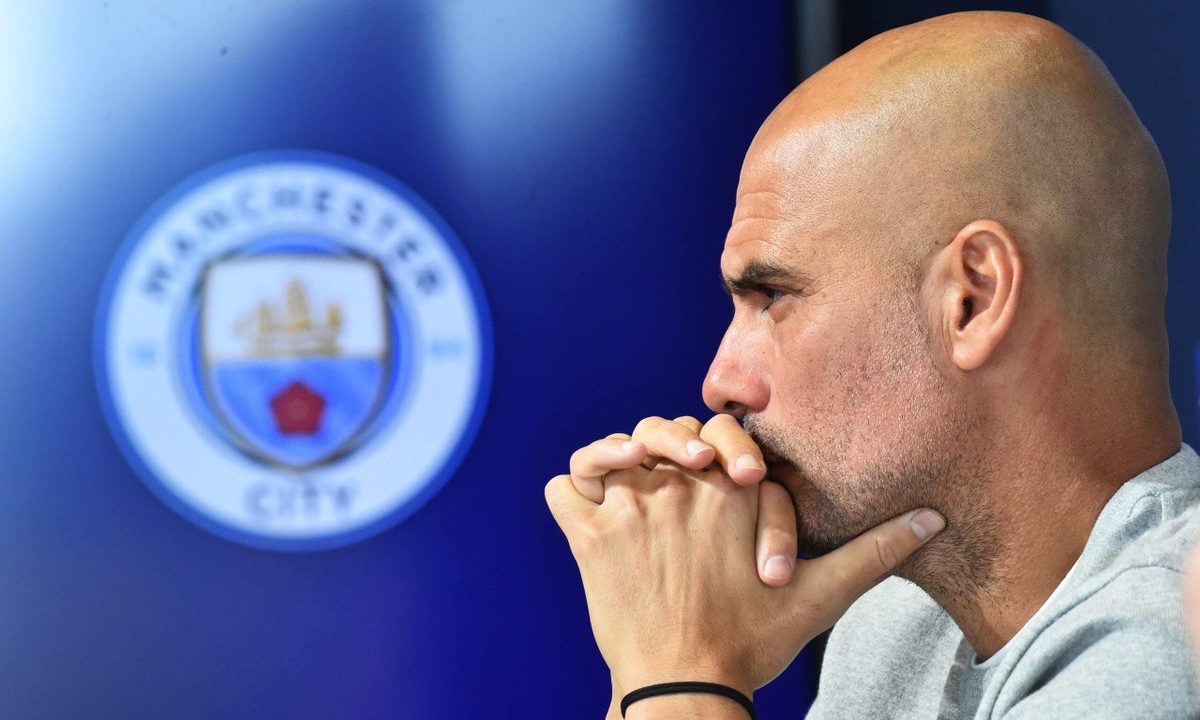
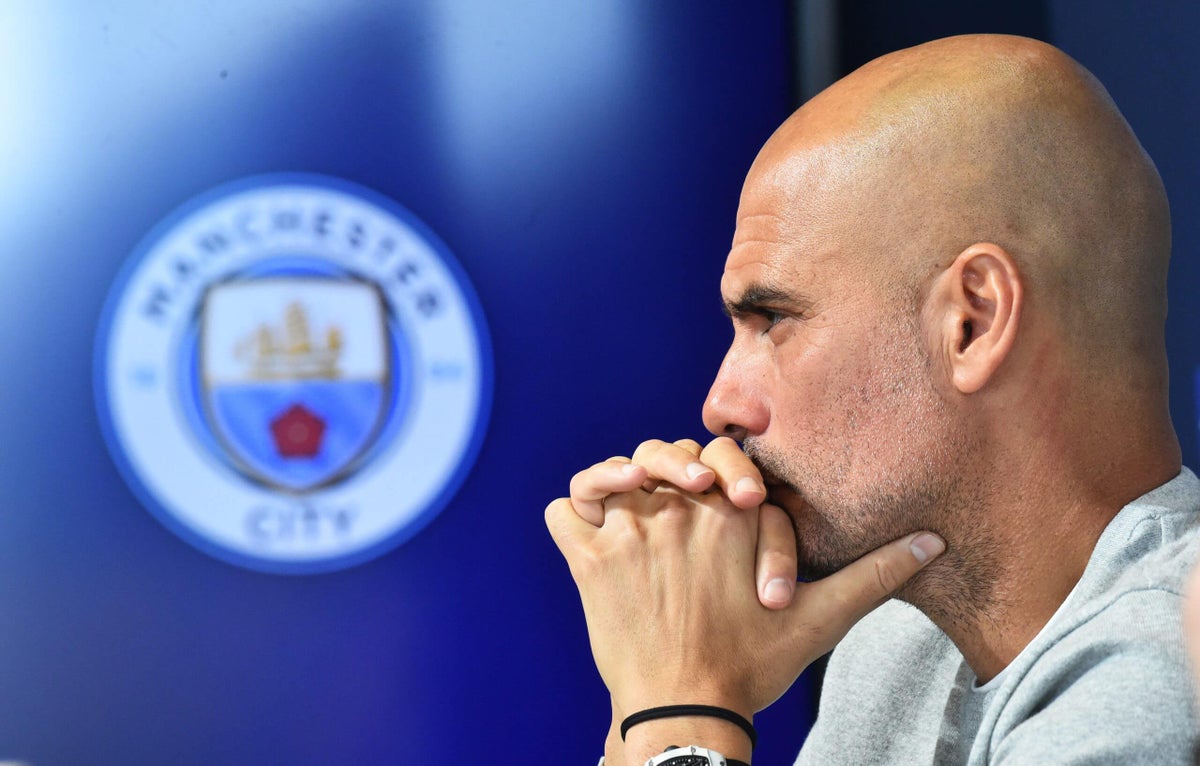
Pep Guardiola’s tenure at Manchester City, now stretching towards a remarkable decade, has been defined by the creation of multiple, highly successful iterations of the team. However, the current iteration of the squad, despite its continued success, is increasingly being seen as lacking the complete control and tactical flexibility that characterized its predecessors, according to a recent analysis by The Athletic Football. Compared to the four Premier League titles in a row, domestic treble, and record-breaking points hauls achieved previously, the current City side often struggles to impose its authority on games.
Guardiola’s arrival in 2016 suggested a manager more focused on immediate impact rather than long-term club building, a perception reinforced by his previous shorter stints at Barcelona and Bayern Munich. Yet, he has become Manchester City’s longest-serving coach, a testament to a mutual commitment that has seen him navigate periods of unprecedented success and even recent managerial challenges with unwavering support from the club. This longevity has allowed for the evolution of distinct, title-winning City sides, each with unique characteristics and tactical approaches, The Athletic Football reports.
The First Adjustment
Guardiola’s initial period at City was not an immediate seamless transition, as sometimes portrayed. His early bold decisions, such as the controversial replacement of Joe Hart with Claudio Bravo, proved problematic. Bravo’s struggles with the physicality of English football and his shot-stopping statistics led to Willy Caballero taking over in the latter half of the 2016-17 season. Guardiola also made significant tactical adjustments, moving away from his initial attacking 4-3-3 formation. He reintegrated Yaya Toure, recognizing the need for experience and physicality, and adopted a more structured 4-2-3-1. This era also saw a growing emphasis on set-pieces and the importance of second balls, indicating an early adaptation to the demands of English football.
The Golden Era: Dominance and Evolution
The subsequent two seasons, 2017-18 and 2018-19, marked a period of unprecedented dominance. Bolstered by the defensive solidity of Ederson in goal, the pace of Kyle Walker at right-back, and the reliability of Aymeric Laporte, Guardiola felt confident reverting to his preferred technical approach. Fernandinho, initially a box-to-box midfielder, was repurposed as a sole holding midfielder, allowing Kevin De Bruyne and David Silva to operate as ‘free 8s’, redefining the role of attacking midfielders with their diverse skillsets. This City side was renowned for its ability to stretch opponents, utilizing wingers like Leroy Sane and Raheem Sterling on their natural flanks to create space for De Bruyne and Silva. Ederson’s long-range passing ability also provided a potent attacking outlet, splitting defenses with precise balls to Sergio Aguero. The 2017-18 season saw City reach a record 100 Premier League points, followed by 98 in the next campaign, narrowly fending off a formidable Liverpool side.
The Striker Conundrum and the False Nine
The Guardiola eras can often be defined by the type of center-forward employed. Between 2017 and 2019, Sergio Aguero was the primary striker, though Guardiola occasionally favored other options in crucial Champions League ties due to Aguero’s perceived limitations in link-up play. With Aguero’s fitness declining, Guardiola explored alternatives. Gabriel Jesus, while versatile, was not always the prolific finisher Guardiola sought. This led to a period where City often played without a traditional number nine, utilizing players like Ferran Torres, Riyad Mahrez, Bernardo Silva, Ilkay Gundogan, Raheem Sterling, and Phil Foden in advanced roles. Foden’s false nine performance against Liverpool in a 4-1 victory was particularly impressive. The 2020-21 Champions League final saw a starting XI famously devoid of a holding midfielder or a recognized striker, featuring a lineup heavily reliant on attacking midfielders, a tactical choice that ultimately did not yield the desired result against Chelsea, The Athletic Football noted. This period highlighted Guardiola’s willingness to experiment, but also raised questions about the team’s balance and predictability, especially in high-stakes European encounters.
The Current Challenge: Lacking Control
The current Manchester City side, while still capable of brilliant attacking displays and securing results, is perceived by many to lack the consistent control and tactical flexibility that defined Guardiola’s earlier triumphs. The intricate build-up play and suffocating possession that characterized the dominant eras are not as consistently evident. Opposition teams appear to find ways to disrupt City’s rhythm more effectively, and the team can appear vulnerable when pressed or when transitions occur quickly. This evolution, or perhaps regression, in tactical identity raises questions about whether Guardiola can build a fourth distinct, dominant iteration of his Manchester City team, or if the current squad is reaching its developmental ceiling. The manager’s ability to adapt and innovate will be crucial in addressing these perceived shortcomings and re-establishing the absolute control that became his hallmark.
Key Managerial and Team Details
- Manager:: Pep Guardiola
- Club:: Manchester City
- Tenure Start:: 2016
- Key Eras:: 2017-2019 (Aguero, expansive play), 2020-2023 (False nine experimentation, tactical flexibility), Current (Control issues)
- Source:: The Athletic Football
The ongoing narrative surrounding Pep Guardiola’s Manchester City is a compelling study in managerial evolution and the challenges of sustained dominance. For fans of FootballGames10, understanding these tactical shifts and the underlying reasons for the team’s performance variations provides crucial insight into the dynamics of elite football and the ever-changing landscape of tactical innovation. It highlights how even the most successful managers must continually adapt to maintain their edge and how the current squad’s struggles with consistent control could influence future tactical decisions.
Source: The Athletic Football (https://www.nytimes.com/athletic/7294698/2026/05/22/pep-guardiola-built-three-great-manchester-city-sides-but-he-hasnt-been-able-to-build-a-fourth/)
Source
The Athletic Football Original publication: 2026-05-22T04:14:17+00:00
Related news

Body of Missing 5-Year-Old Belgian Boy Likely Found Near Football Club; Father Still Missing
The body of 5-year-old Tyméo Brigou, missing since late June, has likely been found in a wooded area just two kilometers from…
Read story
Serie A clubs Lazio and Fiorentina show interest in free agent Mauro Icardi
The 33-year-old Argentine striker remains a free agent after leaving Galatasaray, with Lazio and Fiorentina both considering a move before the Italian…
Read story
Therian Interrupts “Aura Farming” Gathering in La Plata, Gets Escorted Out by Crowd
A person identifying as a therian briefly disrupted a large "aura farming" meetup in La Plata's Plaza Moreno on Saturday, only to…
Read story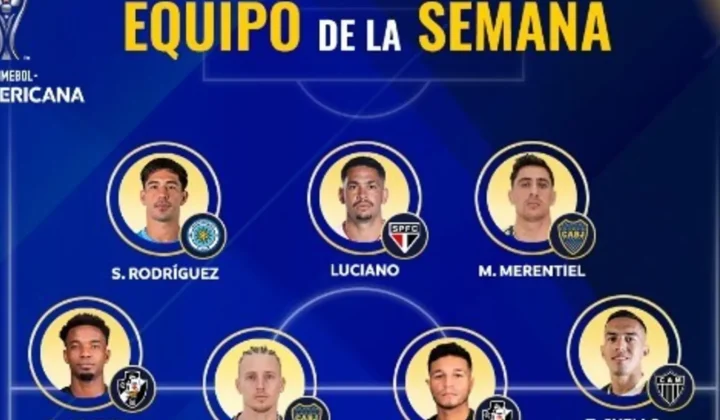
Seven Argentine Players Named in CONMEBOL Team of the Week for Copa Libertadores and Sudamericana
CONMEBOL has selected its ideal lineups for the round of 16 second legs, with seven Argentine players earning spots across both the…
Read story