Russian Football Navigates Isolation Amidst International Sanctions
Russian football continues to operate internally, with the domestic cup final serving as a major annual event, despite the exclusion of its national team and clubs from international competitions due to global sanctions following the invasion of Ukraine.
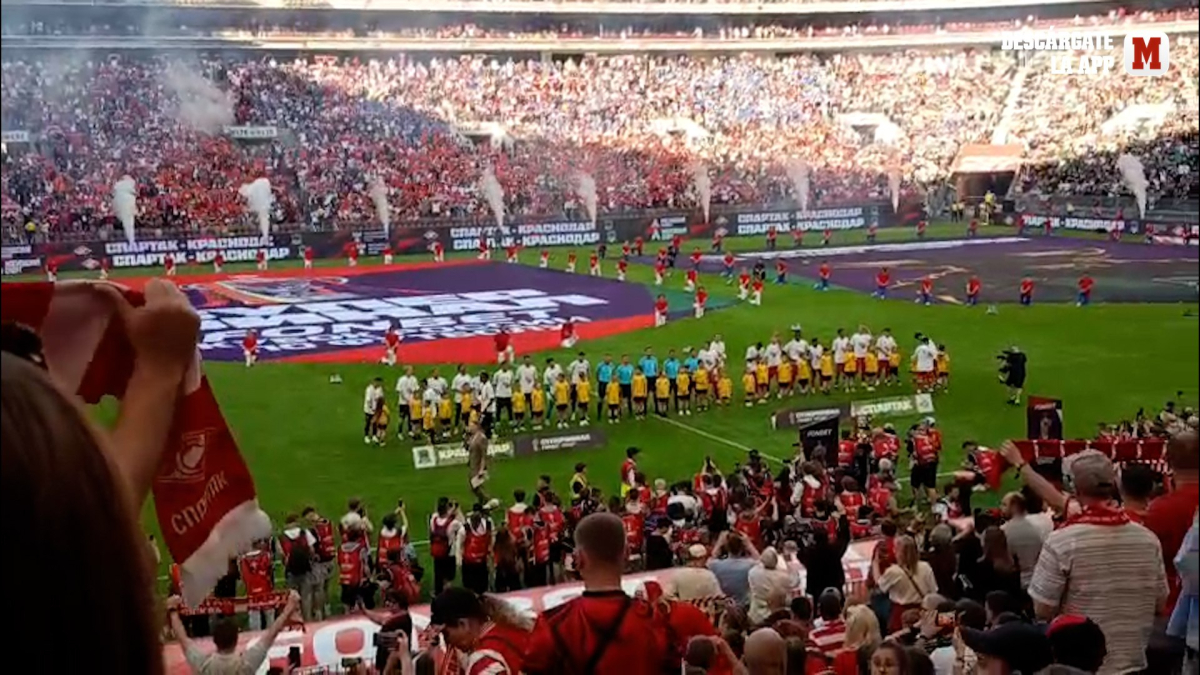
Russia’s football landscape is currently defined by its isolation from international competitions, a consequence of the ongoing conflict in Ukraine and subsequent global sanctions. While the national team and clubs are barred from participating in events like the World Cup and European tournaments, domestic football perseveres, with the Russian Cup final emerging as the season’s paramount event. This situation has reshaped the operational realities for Russian football, impacting everything from international travel to domestic scheduling.
Political and Sporting Ramifications
The decision by FIFA and UEFA to suspend Russian teams from international football came swiftly after Russia’s invasion of Ukraine in February 2022. This led to the national team being disqualified from the World Cup qualifiers and the Champions League final, originally scheduled for St. Petersburg, being relocated. These measures, part of broader economic sanctions imposed by the European Union and other nations, have significantly curtailed Russia’s presence on the global football stage.
Beyond the sporting sanctions, geopolitical tensions have also affected travel and communication. Direct flights between Russia and many Western countries are suspended, requiring indirect routes, often through hubs like Istanbul. For those needing to travel to Russia for football-related activities, visa processes have been adapted, with electronic visas available for shorter stays. Internet connectivity can also pose challenges, with reports of slower speeds and occasional blockages, sometimes attributed to defensive systems.
The Russian Football Union faces the challenge of maintaining competitive standards and player development without the exposure and challenge of international fixtures. This necessitates a focus on domestic league play and friendly matches against nations willing to engage, a list that has become increasingly limited.
Adapting to New Realities
Despite the international boycott, football continues to be played within Russia. The Russian Premier League and domestic cup competitions provide a platform for clubs and players. The Russian Cup final represents a significant moment in the domestic calendar, drawing attention and showcasing the best of the country’s football talent.
The coaching staff of the Russian national team includes Spanish professionals like Jonathan Alba and Luis Casais, who have navigated the complexities of working in Russia under the current geopolitical climate. Casais, a physical performance expert with extensive international experience, highlights the “normal, quiet” life in Moscow, albeit expensive, while acknowledging the unique challenges.
“It’s hard to understand that a conflict ends up affecting art, science… or sport, areas that have nothing to do with political decisions,” Casais commented to MARCA, reflecting on the broader impact of the conflict. He also noted the difficulties in arranging friendly matches, as many countries are unwilling to play against Russia, complicating preparation for international windows.
The Future of Russian Football
The long-term implications of this international isolation remain uncertain. Russian football authorities are tasked with fostering talent and maintaining the sport’s popularity domestically. The current situation forces a reliance on internal development and a potentially different trajectory for Russian football compared to its international counterparts.
The exclusion from global tournaments means Russian players miss out on crucial opportunities for international exposure, potentially impacting their career progression and the overall quality of the domestic league. Reintegration into the international football community will likely depend on shifts in the geopolitical landscape and decisions made by governing bodies like FIFA and UEFA.
Datos clave
| Aspecto | Descripción |
|---|---|
| Sanciones | Exclusión de selecciones y clubes de competiciones internacionales de la FIFA y la UEFA. |
| Viajes | Restricciones de vuelos directos entre Rusia y muchos países occidentales. |
| Competición Doméstica | La Copa de Rusia es el principal evento anual. |
| Personal Extranjero | Profesionales como Luis Casais continúan trabajando en Rusia. |
This situation underscores how political events can profoundly impact the world of sports, creating unique challenges and forcing adaptations for athletes, coaches, and governing bodies alike. The resilience and future direction of Russian football will be closely watched as it navigates this period of unprecedented isolation.
Fuente: MARCA Futbol – https://www.marca.com/futbol/2026/05/29/rusia-futbol-lado-guerra.html
Source
MARCA Futbol Original publication: 2026-05-29T04:16:42+00:00
Related news
Premier League Predictions: Man United vs Tottenham, Arsenal vs Leeds Headline Saturday’s Fixtures
Sports Mole's roundup of Saturday's Premier League gameweek six predictions, including Manchester United vs Tottenham Hotspur at Old Trafford and Arsenal vs…
Read story
One Injured in Marble Hill Shooting; No Football Disruption Confirmed
A person was hospitalized after a shooting reportedly involving federal agents in New York’s Marble Hill neighborhood. The initial account identifies no…
Read story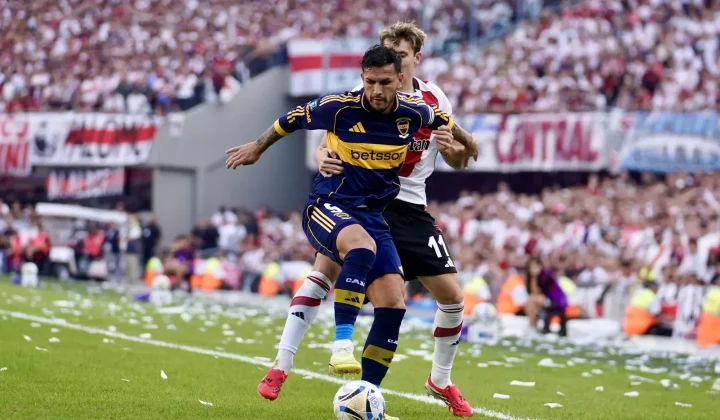
Boca vs River Superclásico Confirmed for November 1 at La Bombonera
The Argentine Professional League has set the date and time for the next Boca Juniors vs River Plate Superclásico, scheduled for Sunday,…
Read story
Harry Kane equals Peter Shilton’s England caps record with two goals in Nations League win over Czechia
Harry Kane scored twice on the night he equalled Peter Shilton’s all-time England appearance record, leading the Three Lions to a 3-0…
Read story