
Saudi Arabia’s Ambitious Green Initiative: Planting 10 Billion Trees in the Desert
Saudi Arabia plans to plant 10 billion trees by 2030 to combat climate change and desertification, facing significant challenges in water scarcity.
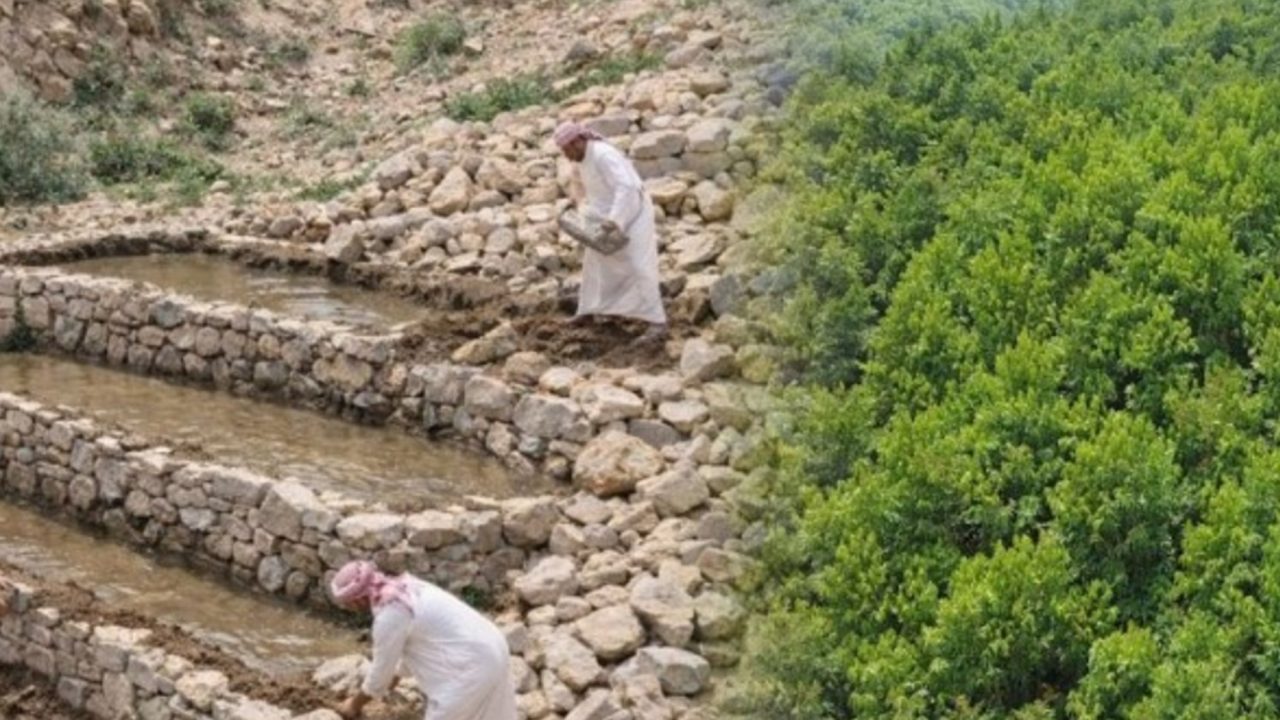
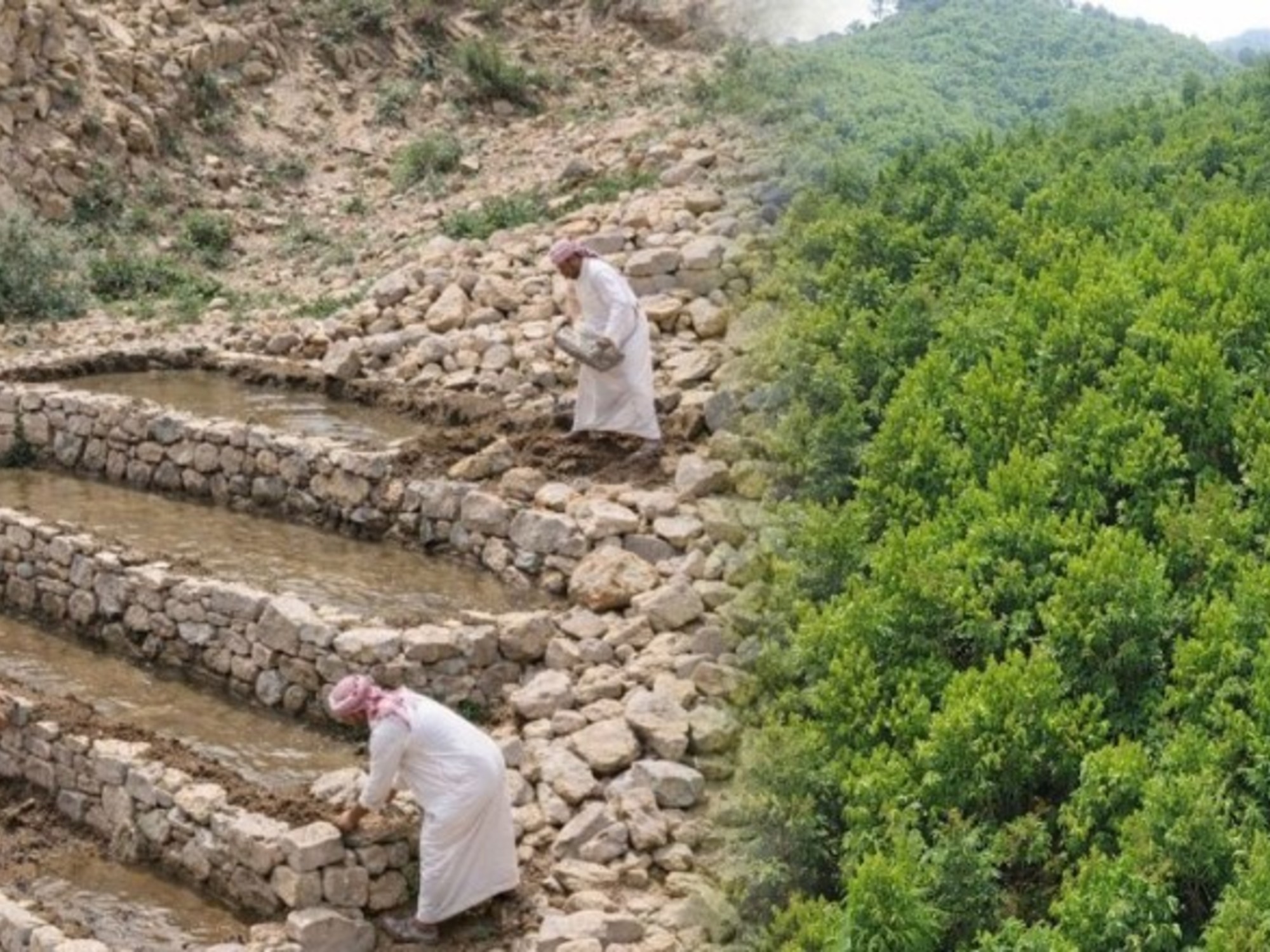
Saudi Arabia has launched the ambitious Saudi Green Initiative, a monumental project aiming to plant 10 billion trees by the year 2030. This initiative seeks not only to combat global climate change but also to revitalize arid zones within the kingdom, enhance biodiversity, and reduce urban temperatures. However, the plan faces a critical challenge: the inherent scarcity of water in one of the planet’s driest regions.
Greening the Desert: A Vision for the Future
The Saudi Green Initiative is structured in two main phases. The first phase, extending until 2030, will focus on a “nature-based” approach to plant approximately 600 million trees. The second phase, commencing after 2030, will adopt a more “human-driven” approach to reach the total goal of 10 billion trees. The anticipated benefits are extensive, including reducing urban temperatures, mitigating sandstorms that affect the region, and combating desertification, as reported by Clarin Deportes.
The Critical Water Challenge
The viability of a project of this magnitude in Saudi Arabia is intrinsically linked to water management. Experts point out that the region lacks natural freshwater sources like rivers or lakes, raising serious concerns about the long-term sustainability of the massive irrigation required to keep so many trees alive. The plan will necessitate extraordinary volumes of water, which could place unsustainable pressure on existing scarce water resources.
A Glimmer of Hope: The Albaida Valley Case Study
Despite the overarching challenges, an inspiring example emerges from the Albaida desert valley, located approximately 50 kilometers south of Mecca. In this area, where extreme temperatures (exceeding 50°C), low humidity (below 10%), and minimal rainfall (around 60 mm annually) make life precarious, remarkable ecological recovery has been achieved. This success is attributed not to costly desalination projects or permanent irrigation, but to an innovative system designed to capture the only available water source: flash floods.
A Paradigm Shift: From Drought to Water Harvesting
Historically, the Albaida valley was not always barren. Project information suggests that the region once had community-based ecological management that allowed grazing lands to rest and regenerate, maintaining covered and fertile soil. However, starting in the 1950s, the abolition of this model and the loss of community boundaries led to overgrazing, shrub cutting, and soil compaction. The vegetation cover disappeared, and the soil lost its ability to absorb water.
The paradox arose when scarce rainfall, instead of infiltrating, ran over the hardened surface, eroding the fertile topsoil. It is estimated that over 90% of rainwater was lost this way. The central problem was not merely the lack of rain but the soil’s inability to retain it.
The Regenerative Solution
A team of regenerative agriculture experts, led by Neil Specman, began studying the Albaida valley in 2010. Instead of fighting drought, the team adopted a radical approach: harnessing floods. They studied ancient water harvesting techniques used in arid regions by other civilizations and concluded that mountains, rather than being an obstacle, were the primary collection area, and floodwaters, a valuable resource.
They designed a passive system utilizing containment channels and small stone dams along contour lines. The objective is to slow down the flow of water from the mountains, reducing its velocity from approximately 100 km/h to less than 5 km/h. This deceleration allows water to slowly filter into the soil, depositing mineral-rich sediments and recharging underground reserves.
Positive Hydrological Outcomes
The results of the Albaida project have been transformative. Initially, about 20,000 cubic meters of water transported by tankers were used to initiate the ecosystem. However, after just a few heavy rains, the channel and dam system managed to capture and return over 50,000 cubic meters of rainwater to the soil. The soil began to act as an “underground sponge,” storing water for the dry season. This achievement is termed a “positive water footprint,” where agriculture becomes a means to regenerate underground water supply rather than depleting it.
Implications for Future Reforestation Efforts
The success of the Albaida valley offers a promising model for the Saudi Green Initiative and other reforestation projects in arid zones. It demonstrates that, with an intelligent approach adapted to local conditions, it is possible to transform desert landscapes. The key lies in understanding and working with the region’s natural hydrology, emphasizing rainwater capture and retention over reliance on limited freshwater sources. While the challenges are immense, Saudi Arabia’s ambition and preliminary successes offer a vision for a greener and more sustainable future.
Key Project Details
- Planting Goal: 10 billion trees by 2030
- Main Objectives: Combat climate change, recover arid zones, enhance biodiversity, reduce urban temperatures
- Key Challenge: Scarcity of natural freshwater
- Success Model: Albaida Valley, capturing flash floodwater
- Approach: Regenerative agriculture and water harvesting techniques
The relevance of this development for FootballGames10 readers, while not directly about football, lies in the growing intersection between major global sporting events and their environmental impact. Large-scale sustainability initiatives, such as Saudi Arabia’s, are often linked to the image and reputation of countries hosting significant tournaments. Furthermore, resource management, particularly water, can have logistical and operational implications for sports infrastructure in arid regions, affecting the viability of future venues or the sustainability of existing events.
Source: Clarin Deportes, https://www.clarin.com/estados-unidos/lugar-calor-extremo-falta-agua-hacen-sembrar-gran-desafio-pais-busca-plantar-10-mil-millones-arboles-2030-propuesta-busca-recuperar-zonas-aridas-atraer-vida-silvestre-bajar-temperaturas-ciudades_0_SBtIAWKuqO.html
Source
Clarin Deportes Original publication: 2026-05-24T00:28:28+00:00
Related news

One Injured in Marble Hill Shooting; No Football Disruption Confirmed
A person was hospitalized after a shooting reportedly involving federal agents in New York’s Marble Hill neighborhood. The initial account identifies no…
Read story
Boca vs River Superclásico Confirmed for November 1 at La Bombonera
The Argentine Professional League has set the date and time for the next Boca Juniors vs River Plate Superclásico, scheduled for Sunday,…
Read story
Harry Kane equals Peter Shilton’s England caps record with two goals in Nations League win over Czechia
Harry Kane scored twice on the night he equalled Peter Shilton’s all-time England appearance record, leading the Three Lions to a 3-0…
Read story
Jesse Marsch says Canada “not afraid” as USMNT friendly intensifies rivalry
Canada coach Jesse Marsch has welcomed the pressure of facing the United States, stating his team is “not afraid” as the two…
Read story