
Set Piece Supremacy: How Tactical Corners and Free Kicks Can Win Tight Football Matches
In modern football, where marginal gains often dictate outcomes, set pieces have evolved from mere restarts into sophisticated tactical weapons. This preview examines how effectively executed corners and free kicks can provide the decisive edge in closely contested matches, transforming potential draws into crucial vic
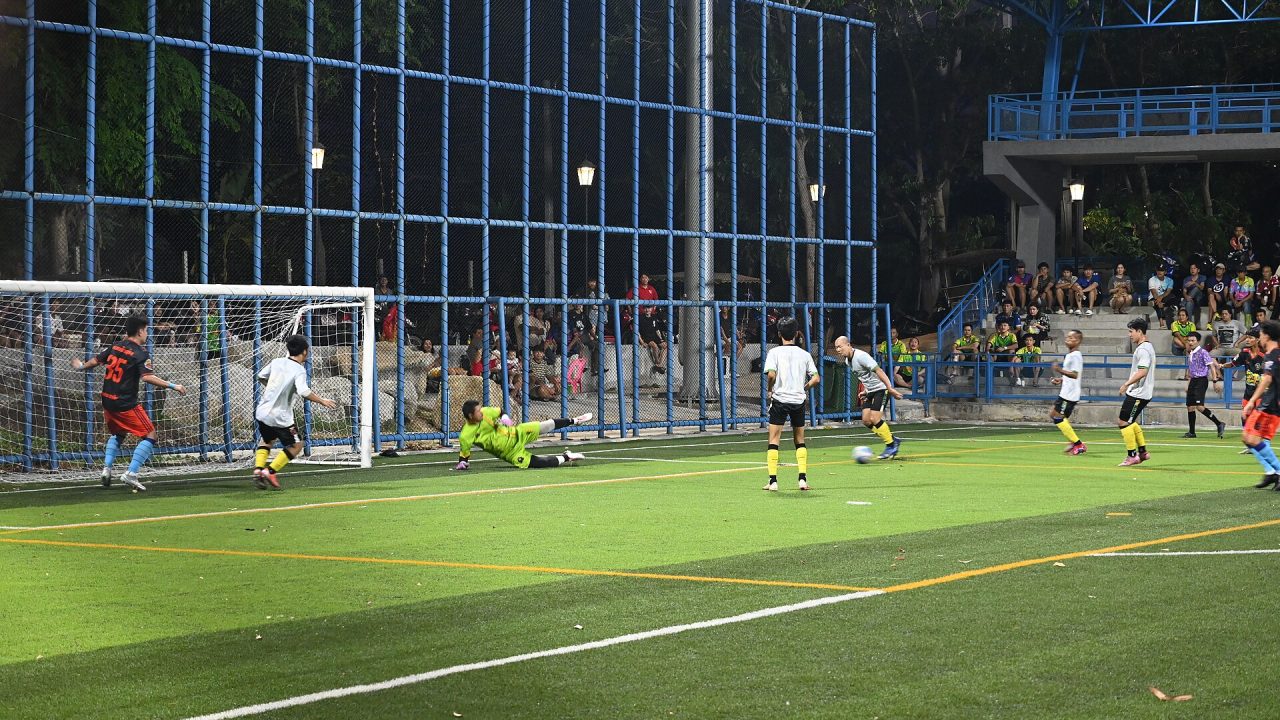
In the high-stakes arena of professional football, particularly in tightly contested fixtures, the difference between three points and one can hinge on the smallest details. While open-play brilliance often captures headlines, the strategic mastery of set pieces has emerged as a critical tactical battleground. These moments, often overlooked by casual observers, are meticulously planned and rehearsed by coaching staffs, offering a significant advantage in breaking deadlocks.
This preview delves into how set pieces – specifically corners and free kicks – can become the main tactical edge in a tight football match. We will explore the factors that make them so influential, examine different approaches teams employ, and highlight why their effective execution or defence can be the decisive factor in securing a crucial victory.
The Evolving Importance of Set Pieces
Historically, set pieces were often seen as opportunities for a hopeful punt into the box, relying on individual aerial prowess. However, modern football has transformed this perspective entirely. With increasingly sophisticated defensive organisations and fitness levels, creating clear-cut chances from open play against top teams can be incredibly difficult. This elevates the importance of dead-ball situations, where teams can dictate positioning, movement, and timing.
Data from various top leagues consistently shows a significant percentage of goals scored from set pieces. This isn’t accidental; it’s a reflection of dedicated coaching, analytical breakdown of opponents, and the physical attributes of players. Teams that excel in set-piece situations often find themselves outperforming expectations, especially in matches where both sides are evenly matched in terms of overall quality.
Attacking Set Piece Strategies: Corner Kicks
Corner kicks, in particular, offer a myriad of attacking possibilities. It’s no longer just about whipping the ball to the tallest player. Modern corner routines involve intricate movements, blocks, screens, and even short corners designed to create space or deliver a cross from a different angle.
One common strategy involves creating confusion in the box. This can be achieved through:
- Congestion and Movement: Grouping players together before the kick, then having them explode into different zones. This makes individual marking difficult and can create momentary mismatches.
- Blocking Runs: Players intentionally obstruct defenders to free up a teammate for a header or shot. While there are rules against impeding, subtle blocks are a grey area coaches exploit.
- Near Post Runs: A quick, sharp run to the near post can catch defenders off guard, especially if the delivery is low and fast.
- Second Ball Focus: Instead of aiming directly for a header, some routines focus on delivering the ball to an area where a second ball can be won, allowing for a shot or a cut-back.
- Short Corners: While sometimes criticised for lack of direct threat, a well-executed short corner can pull defenders out of position, create better crossing angles, or allow a technically gifted player to drive into the box.
The element of surprise is paramount. Teams often have multiple routines for different opponents or situations, keeping defenders guessing and preventing them from anticipating movements.
Attacking Set Piece Strategies: Free Kicks
Free kicks, especially those in dangerous areas around the penalty box, present another potent weapon. They can be direct shots on goal or indirect deliveries designed to create goal-scoring opportunities.
Direct free kicks require specialist takers with exceptional technique, capable of bending, dipping, or knuckling the ball over or around the wall. The placement, power, and trajectory are all crucial. Goalkeepers are constantly analysing the taker’s stance and run-up for clues.
Indirect free kicks often mirror corner kick strategies but with the added advantage of being closer to goal. These can include:
- Drilled Low Crosses: Aiming for a deflection or a quick tap-in rather than an aerial duel.
- Flick-ons: A player heading or flicking the ball into the path of another teammate making a run.
- Penalty Spot Deliveries: Aiming for the central area where powerful headers are often converted.
- “Training Ground” Routines: Elaborate moves rehearsed in training, like a player running over the ball, another faking a shot, and a third making a late run to connect with a disguised pass.
The quality of the delivery is the foundation for any successful attacking free kick. Without precision and pace, even the most elaborate routine will falter.
Defending Set Pieces: Organisation is Key
While attacking set pieces are about creativity and surprise, defending them is about discipline, organisation, and communication. A lapse in concentration or a slight miscommunication can lead to a conceded goal.
Common defensive strategies include:
- Zonal Marking: Players are assigned specific areas within the box to cover, rather than individual opponents. This aims to cover key zones and prevent free headers.
- Man-to-Man Marking: Each defender is assigned a particular attacker to track and prevent from getting to the ball. This relies heavily on individual strength and attentiveness.
- Hybrid Marking: A combination of both, where some key attackers are man-marked, while others cover zones. This is perhaps the most common approach in modern football.
- The Wall: For free kicks, the wall is crucial for blocking direct shots and narrowing the goalkeeper’s angle. The number of players, their positioning, and their jump timing are all meticulously coached.
- Goalkeeper Presence: The goalkeeper’s ability to command their area, communicate with defenders, and make decisive punches or catches is vital.
Understanding the opponent’s set-piece routines through video analysis is a critical part of defensive preparation. Coaches will highlight key danger men and common movements.
Tactical Implications in Tight Matches
In matches where teams are defensively sound and chances from open play are at a premium, set pieces often become the primary avenue for goals. Consider a scenario where two well-drilled teams are locked in a 0-0 stalemate. A single, well-executed corner or free kick can break the deadlock, shift momentum, and ultimately decide the outcome.
The psychological impact of a set-piece goal is also significant. For the scoring team, it’s a huge boost, validating their preparation and effort. For the conceding team, it can be deflating, especially if they felt they were containing the opposition effectively. This can lead to a shift in tactical approach, with the trailing team having to push forward, potentially opening up space for counter-attacks.
Coaches spend countless hours dissecting opposition set-piece frailties and developing their own innovative routines. The ability to score from set pieces consistently can be the defining characteristic of a successful team, especially over the course of a long season where marginal gains accumulate.
Impact of Set Piece Effectiveness on Match Outcomes
| Team Characteristic | Impact on Set Piece Outcomes | Example |
|---|---|---|
| Tall/Physical Players | Increased aerial threat for attacking headers. | Teams like Burnley or Sheffield United historically. |
| Pinpoint Crossers | Higher accuracy in delivery for corners/free kicks. | Kevin De Bruyne, Trent Alexander-Arnold. |
| Set Piece Specialists | Greater conversion rate for direct free kicks. | James Ward-Prowse, Lionel Messi. |
| Organised Defence | Fewer goals conceded from set pieces. | Atletico Madrid under Diego Simeone. |
| Coaching Innovation | Novel routines creating unexpected chances. | Teams with dedicated set-piece coaches (e.g., Brentford, Arsenal). |
Player Roles and Specialisation
The rise of set-piece specialisation is another testament to their importance. Teams now identify and train players specifically for certain roles within set-piece routines. This includes:
- Deliverers: Players with exceptional crossing or shooting technique.
- Blockers/Screens: Strong players capable of holding off defenders or creating space.
- Target Men: Tall, powerful headers who are the primary goal threats.
- Runners: Players making timed runs into specific zones.
Even goalkeepers are now actively involved in set-piece defence, not just as shot-stoppers but as organisers of the defensive wall and decision-makers on when to come for the ball.
The Future of Set Piece Tactics
As data analysis in football continues to advance, so too will the sophistication of set-piece strategies. Coaches will have even more detailed information on opponent weaknesses, player movement patterns, and optimal delivery zones. Expect to see further innovation in routines, designed to exploit increasingly smaller margins.
The battle for set-piece supremacy is a microcosm of modern football itself – a relentless pursuit of tactical advantage, where preparation, precision, and execution can turn the tide in the most challenging encounters. For any team looking to gain an edge in a tight football match, mastering the art of the set piece is no longer optional; it is essential.
Reader Takeaways
- Observe Set Piece Routines: Pay close attention to how teams line up and move during corners and free kicks, both offensively and defensively. Look for specific players making deliberate runs or blocks.
- Identify Specialists: Note which players are responsible for taking set pieces and who are the primary aerial threats or target men. Their performance can be crucial.
- Analyse Defensive Organisation: How effectively do teams defend set pieces? Are there visible gaps in zonal marking, or are individual markers being beaten?
- Recognise Momentum Shifts: A goal from a set piece can dramatically alter the flow and psychology of a tight game. Understand its potential impact on subsequent play.
- Appreciate Coaching Detail: Set pieces are not random occurrences; they are a result of meticulous planning and training, reflecting the tactical acumen of coaching staff.
Related news

Body of Missing 5-Year-Old Belgian Boy Likely Found Near Football Club; Father Still Missing
The body of 5-year-old Tyméo Brigou, missing since late June, has likely been found in a wooded area just two kilometers from…
Read story
Serie A clubs Lazio and Fiorentina show interest in free agent Mauro Icardi
The 33-year-old Argentine striker remains a free agent after leaving Galatasaray, with Lazio and Fiorentina both considering a move before the Italian…
Read story
Therian Interrupts “Aura Farming” Gathering in La Plata, Gets Escorted Out by Crowd
A person identifying as a therian briefly disrupted a large "aura farming" meetup in La Plata's Plaza Moreno on Saturday, only to…
Read story
Seven Argentine Players Named in CONMEBOL Team of the Week for Copa Libertadores and Sudamericana
CONMEBOL has selected its ideal lineups for the round of 16 second legs, with seven Argentine players earning spots across both the…
Read story