
The Unsung Heroes: How Set Pieces and Goalkeeper Distribution Shape Elite European Matches
Explore the critical impact of set pieces and intelligent goalkeeper distribution on the outcomes of high-stakes European football matches, often overlooked but strategically vital.
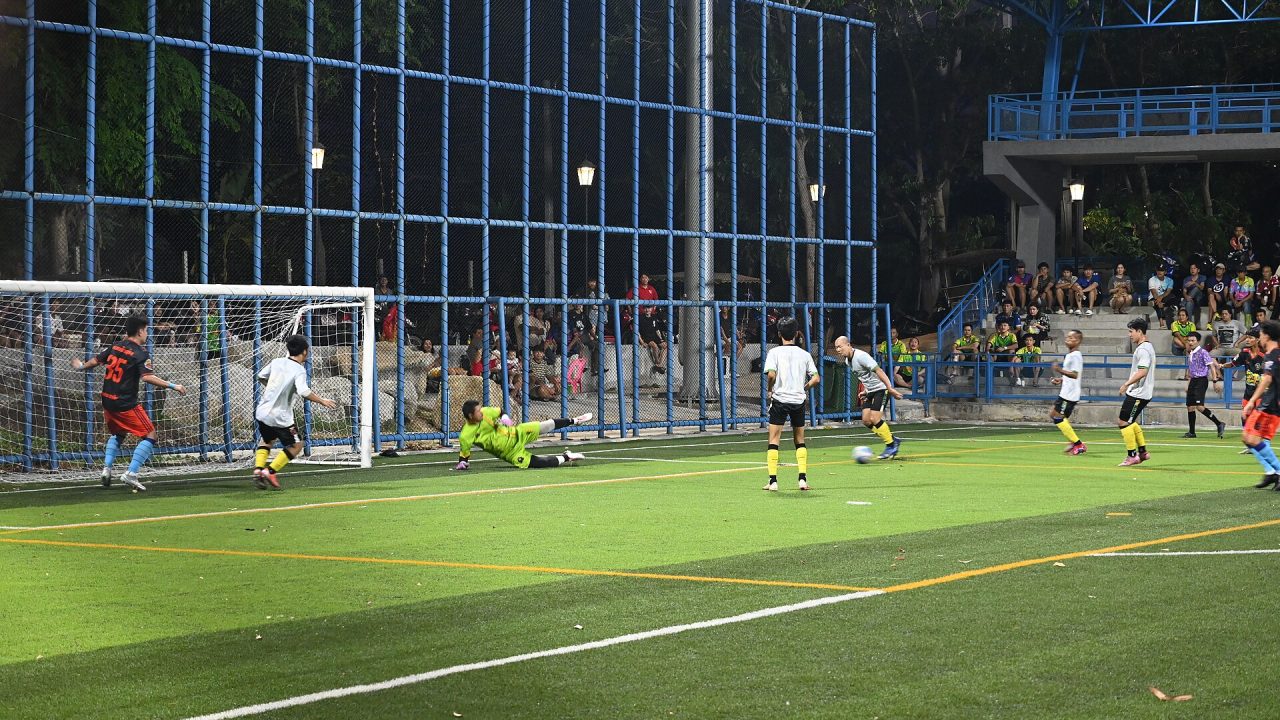
In the high-stakes arena of elite European football, where margins are razor-thin and tactical battles are fought with meticulous precision, the spotlight often falls on star forwards, midfield maestros, and watertight defences. However, two often-understated elements — set pieces and goalkeeper distribution — are increasingly becoming the decisive factors that separate winners from losers. These aren’t mere afterthoughts; they are sophisticated tactical weapons, honed on training grounds and deployed with devastating effect.
The evolution of football has seen coaches scrutinise every phase of play, turning what once seemed like routine restarts into calculated opportunities. From the perfectly delivered corner kick to the swift, accurate goal-kick that launches a counter-attack, these moments can dictate momentum, unlock stubborn defences, and ultimately, swing the outcome of a fiercely contested Champions League knockout tie.
The Art of the Set Piece: More Than Just a Kick
Set pieces encompass a wide array of situations: corner kicks, free kicks (both direct and indirect), throw-ins in advanced positions, and even penalty kicks. While penalties are a distinct category, the others offer fertile ground for strategic ingenuity. The days of simply lumping the ball into the box are largely over, replaced by intricate routines designed to exploit specific weaknesses or create numerical advantages.
Consider the data. A significant percentage of goals in modern football, particularly at the elite level, originate from set pieces. OptaPro data frequently highlights that between 25-30% of all goals scored in top European leagues and competitions come from set-piece situations. This statistic alone underscores their importance. Coaches like Pep Guardiola, Jürgen Klopp, and Thomas Tuchel dedicate substantial training time to developing and refining these routines.
Key Set Piece Strategies
- Corner Kicks: These are perhaps the most visually dramatic set pieces. Teams employ various strategies:
- In-swingers/Out-swingers: Delivering the ball towards or away from the goal, aiming for specific zones.
- Near Post Runs/Far Post Attacks: Specific player movements to draw defenders or attack vulnerabilities.
- Short Corners: Drawing out defenders to create space elsewhere or to enable a better crossing angle.
- Blocked Runs: Players deliberately obstructing defenders to free up teammates for a header or shot.
- Free Kicks (Indirect): These require clever movement and precise delivery. Teams often use:
- Wall Passes: A quick pass to a player running past the wall for a shot.
- Dummy Runners: Players feigning a run to distract defenders.
- Target Man Set-ups: Aiming for a dominant aerial presence, often protected by others.
- Free Kicks (Direct): While often relying on individual brilliance, coaches still strategise on where to place the wall, who takes the kick, and what follow-up actions might occur.
The success of a set piece hinges on several factors: the quality of the delivery, the timing and intelligence of player runs, and the ability to execute under immense pressure. Teams often have multiple variations for each type of set piece, keeping opponents guessing.
Goalkeeper Distribution: The First Attack
Once primarily tasked with shot-stopping and collecting crosses, the modern goalkeeper is now an integral part of a team’s build-up play and often the catalyst for rapid counter-attacks. Goalkeeper distribution has evolved from simply punting the ball long to a sophisticated art form, demanding exceptional footwork, vision, and passing range.
The “sweeper-keeper” role, popularised by Manuel Neuer and others, has transformed expectations. Goalkeepers are now expected to be comfortable with the ball at their feet, capable of playing short passes under pressure, launching accurate long passes to wide areas, or even initiating play with quick throws.
Types of Goalkeeper Distribution
- Short Passes (Goal Kicks & Open Play): Playing out from the back, often to centre-backs or defensive midfielders. This requires bravery and technical proficiency, as a mistake can lead to a dangerous turnover. The aim is to draw out the opponent’s press and create space in more advanced areas.
- Medium-Range Passes (Throws & Kicks): Often used to bypass the initial press or switch the play. A quick, accurate throw can launch a winger into space, while a driven kick can find a midfielder between the lines.
- Long Passes (Goal Kicks & Open Play): While less frequent in possession-based teams, the long, accurate pass remains a potent weapon. It can clear danger, exploit high defensive lines, or target a specific player in an advanced position, bypassing multiple lines of pressure.
The decision-making process for a goalkeeper in distribution is instantaneous and critical. They must assess opposition pressing schemes, the positioning of their teammates, and the potential for a quick transition. A well-executed distribution can turn a defensive situation into a goal-scoring opportunity within seconds.
Why These Elements Decide Elite Matches
In matches where both teams are tactically astute and possess world-class talent, open play can often become a stalemate. Defences are organised, and attacking spaces are at a premium. This is where the marginal gains from set pieces and superior goalkeeper distribution become pivotal.
Impact on Match Outcomes
| Element | Tactical Advantage | Example Scenario |
|---|---|---|
| Attacking Set Pieces | Unlock organised defences, exploit aerial superiority | Late winner from a corner kick against a deep-lying defence. |
| Defending Set Pieces | Prevent goals, maintain pressure, launch counter-attacks | Successfully defending a flurry of corners, then launching a quick break from the clearance. |
| Goalkeeper Dist. (Short) | Build possession, draw press, create passing lanes | Successfully playing out from a goal kick under pressure, leading to a midfield overload. |
| Goalkeeper Dist. (Long) | Bypass press, initiate fast breaks, exploit space | Quick long ball from the keeper finds an unmarked winger who then drives forward. |
Consider the Champions League. Many knockout ties are decided by a single goal, often from a set piece or a rapid transition initiated by the goalkeeper. Think of Sergio Ramos’s header in the 2014 Champions League final, changing the course of the match. Or Alisson Becker’s quick distribution to Mohamed Salah that led to a crucial goal for Liverpool. These aren’t anomalies; they are increasingly common occurrences.
Beyond direct goal contributions, these elements also have a psychological impact. A well-executed set piece can galvanise a team and demoralise opponents. A goalkeeper who consistently distributes accurately under pressure instils confidence in his defenders and midfielders, allowing them to play with more freedom. Conversely, poor set-piece defending or shaky distribution can invite pressure, erode confidence, and lead to costly errors.
The Future of Tactical Innovation
As analytical tools become more sophisticated, coaches will continue to dissect every aspect of the game. Expect even more intricate set-piece routines, tailored to specific opponents and individual player strengths. Goalkeeper distribution will also continue to evolve, with keepers potentially becoming even more involved in outfield play, almost acting as an extra outfield player during build-up phases.
The role of data analysts in identifying patterns in opposition set-piece defending and attacking, as well as their goalkeepers’ distribution habits, is paramount. This information allows teams to prepare targeted strategies, both offensively and defensively, to gain that crucial edge.
In conclusion, while the beautiful game will always celebrate moments of individual brilliance and fluid attacking play, the importance of these “hidden” tactical battles cannot be overstated. Elite European football matches are won not just by dazzling dribbles or thunderous shots, but by the meticulous planning and flawless execution of set pieces and the intelligent, brave distribution from the player between the sticks. These are the unsung heroes, the strategic pillars upon which many triumphs are built.
Related news
Jesse Marsch says Canada “not afraid” as USMNT friendly intensifies rivalry
Canada coach Jesse Marsch has welcomed the pressure of facing the United States, stating his team is “not afraid” as the two…
Read story
Scotland vs Slovenia: Nations League Group B1 Clash at Hampden Park
Scotland and Slovenia meet at Hampden Park in a pivotal Nations League Group B1 encounter, with both sides level on four points…
Read story
Padres Turn to Robbie Ray for NLDS Game 1 Start as Walker Buehler Goes on Paternity List
San Diego Padres manager Craig Stammen named Robbie Ray the starter for Game 1 of the NL Division Series against Milwaukee after…
Read story
Serie A Clubs Hit by Friendly Upsets as Juventus and Napoli Fall, Milan Draw
Juventus and Napoli suffered surprise defeats in midweek friendlies, while Milan were held by Padova. Frosinon e were the only Serie A…
Read story