
Shinji Ono Reflects on Feyenoord Stint and Japanese Football Pressure
Former Feyenoord midfielder Shinji Ono discusses the intense pressure he faced in Japan, his adaptation to European football, and his evolving role on the pitch.
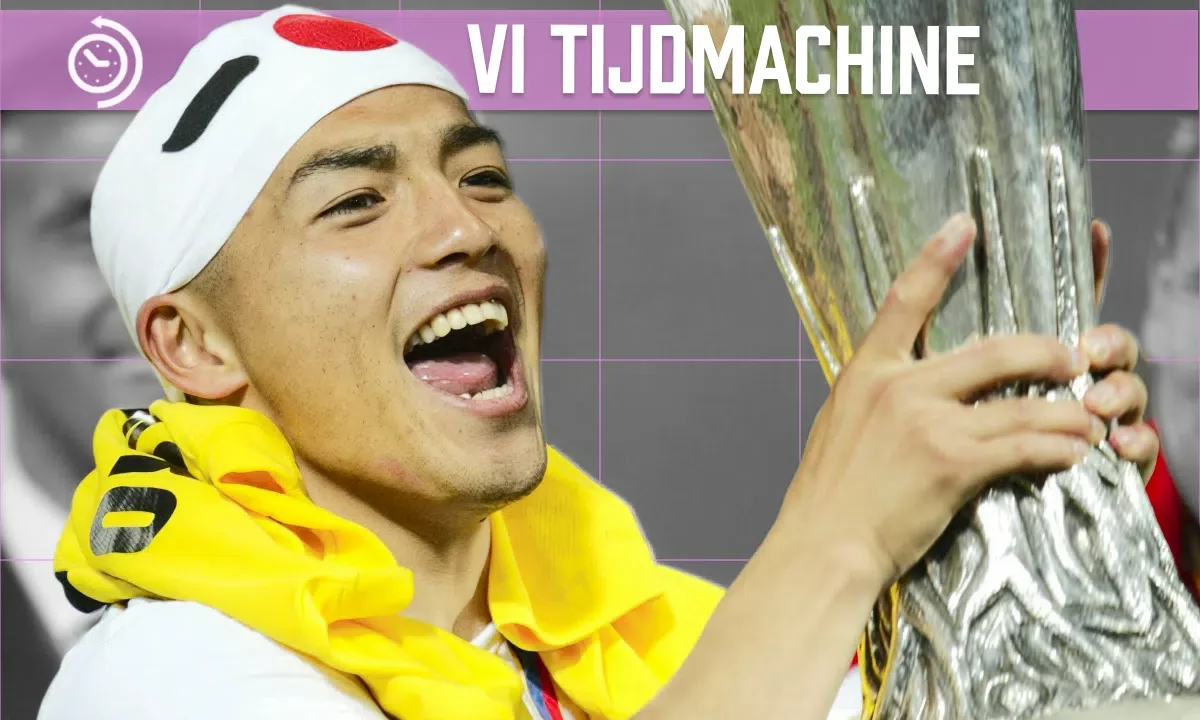
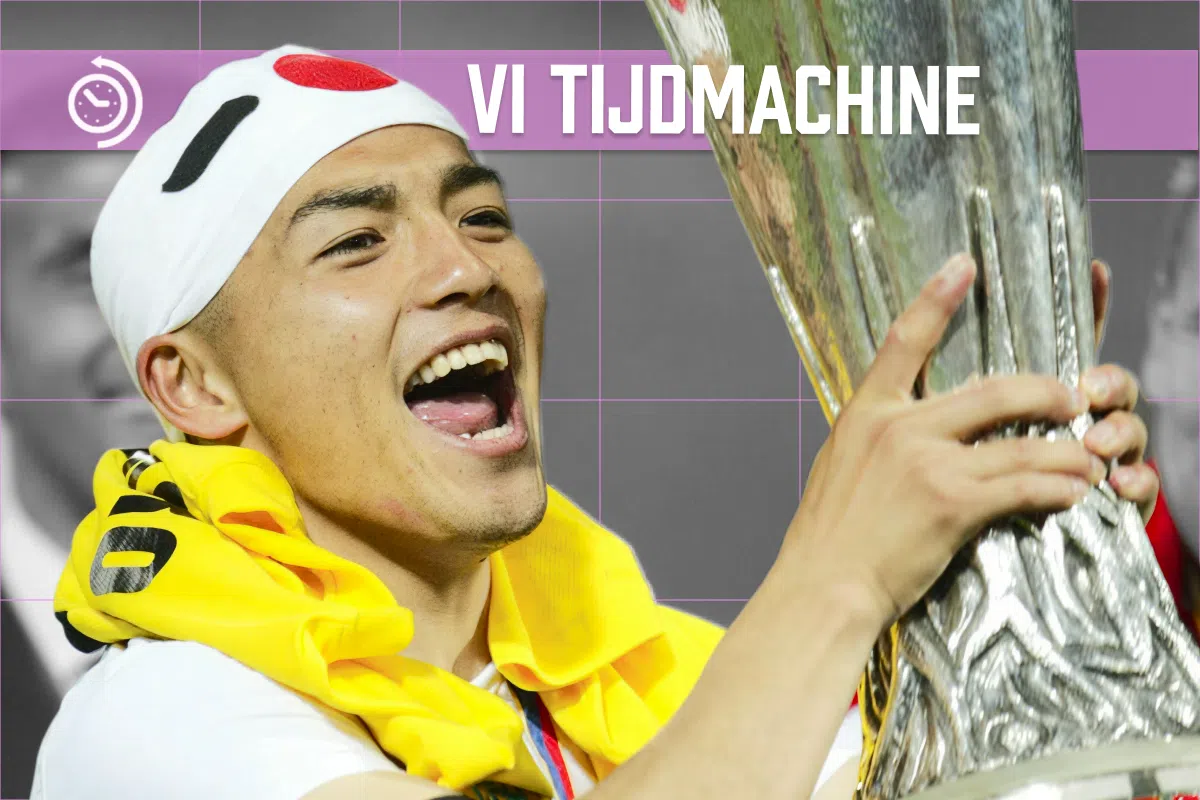
Shinji Ono, a celebrated figure for both Japan and Feyenoord, has opened up about the significant differences in pressure and expectation between Japanese and European football. In a retrospective interview with Voetbal International, the elegant midfielder reflected on his time in Rotterdam and the unique demands placed upon him as a top talent in his homeland.
Ono, fondly remembered by Feyenoord fans for his contributions to the club’s UEFA Cup victory in 2002, acknowledged that the intensity of scrutiny in Japan was something he had to adapt to. He recalled instances where, as a student player, he faced harsh criticism after defeats, a stark contrast to the approach of some European coaches.
“As a captain, I was responsible for wins and losses. After a defeat, I would get hit by the trainer. I never said anything about it; it was part of it,” Ono stated, highlighting the rigorous discipline instilled in him from a young age. This experience, he believes, forged a mental resilience that proved invaluable throughout his career.
Adapting to European Football
The transition to European football, particularly in the physically demanding Eredivisie, presented its own set of challenges. Ono admitted that the close marking and robust challenges from opponents were initially difficult to overcome.
“In Japan, as a footballer, you have hardly any physical contact. You get space and time to play football nicely. In the Netherlands, your direct opponent is right on top of you. I had to get used to that enormously,” he explained. He specifically mentioned early struggles against PSV’s Mark van Bommel, a player known for his aggressive style, but noted that he eventually adapted and learned to handle such confrontations.
Ono also detailed his integration into Feyenoord, crediting the club’s patient approach. He was gradually introduced to the team, observing from the dugout in his initial matches, which allowed him to understand the tactical nuances and team dynamics before being fully integrated into the starting lineup. This methodical approach, he felt, was crucial for his successful adaptation.
Evolving Role and Expectations
As Ono matured as a player, his role and self-perception evolved. While he initially favoured an attacking number 10 position, he found satisfaction in a more central, controlling role on the left side, often alongside Paul Bosvelt. This position allowed him to dictate the tempo of the game and still be involved in attacking phases.
“I love to attack, which is why I always thought the number 10 position suited me best. Behind the striker, you get a lot of balls and you can be decisive,” Ono said. “But in the Japanese national team and at Feyenoord, I started centrally from the left, next to Paul Bosvelt. I have grown to like that controlling role more and more.”
He also recognized the increased expectations from fans and media after a strong debut season. “People now know what I can do and therefore expect more from me. By playing so well and consistently in my first year, I have created even higher expectations. I like that,” he asserted, adding that he aimed to score more goals from midfield, a target he felt he was on track to meet in his second season.
Cultural Differences in Leadership
Ono touched upon the differing concepts of leadership between Japan and Europe. In Japan, he was appointed captain at a young age due to his footballing abilities, carrying a heavy burden of responsibility. He contrasted this with European leadership, where he felt it was more about inspiring teammates through performance and presence.
“Leadership in Europe is different from Japan. I was chosen as captain of the student team purely because of my footballing qualities,” he stated. “I had to ensure that my teammates would be lifted by me. So nobody should say that I don’t know responsibility. That was drilled into me at school.”
Despite the challenges and the intense scrutiny, Ono expressed contentment with his development at Feyenoord and the lessons learned throughout his career, particularly the mental fortitude gained from his early experiences in Japan.
Key facts
| Aspect | Details |
|---|---|
| Player | Shinji Ono |
| Club | Feyenoord |
| Interview Source | Voetbal International |
| Key Reflection | Pressure in Japanese football vs. European adaptation |
Ono’s reflections offer valuable insight into the psychological demands of professional football across different cultures and the personal growth required to succeed at the highest levels. His journey highlights the universal challenges of adaptation, the evolution of player roles, and the enduring impact of early experiences on a footballer’s career.
Source: Voetbal International, https://www.vi.nl/pro/shinji-ono-held-van-japan-en-feyenoord-maradona-kreeg-minder-aandacht-dan-ik
Source
Voetbal International Original publication: 2026-06-13T04:00:00+00:00
Related news
Celtic’s Europa League struggles deepen as Benfica expose familiar flaws
A 4-1 defeat in Lisbon leaves Celtic with two losses from two Europa League group games. Martin O’Neill sees positives in the…
Read story
Borussia Dortmund Fall to Bodø/Glimt in Champions League Shock
Fredrik Sjøvold’s second-half strike gave the Norwegian side a 1-0 win over Niko Kovač’s Dortmund, who struggled to break down a disciplined…
Read story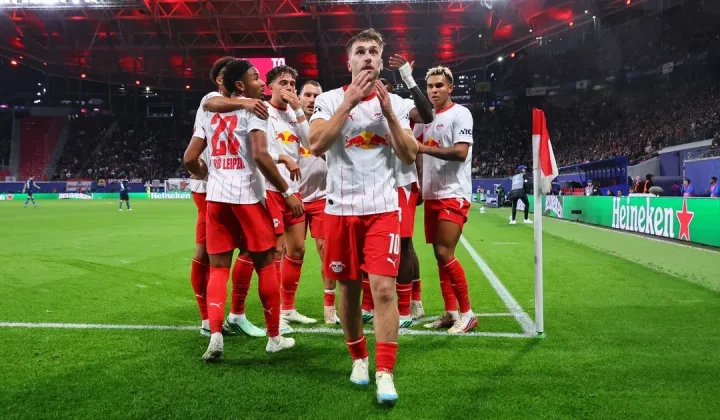
Brajan Gruda Strike Gives RB Leipzig 1-0 Champions League Win Over PSV
Brajan Gruda scored in the 75th minute after Maarten Vandevoordt saved an Ivan Perisic penalty as RB Leipzig defeated PSV Eindhoven 1-0.
Read story
Real Betis vs Porto: Champions League Clash Preview and Prediction
Real Betis host Porto in a crucial Champions League league-phase match. Preview includes team news, possible lineups, and analysis of both sides'…
Read story