
SpaceX Starship’s 12th Flight: Successful Launch, Uncontrolled Descent, and Ocean Splashdown
SpaceX Starship's 12th Flight: Successful Launch, Uncontrolled Descent, and Ocean Splashdown
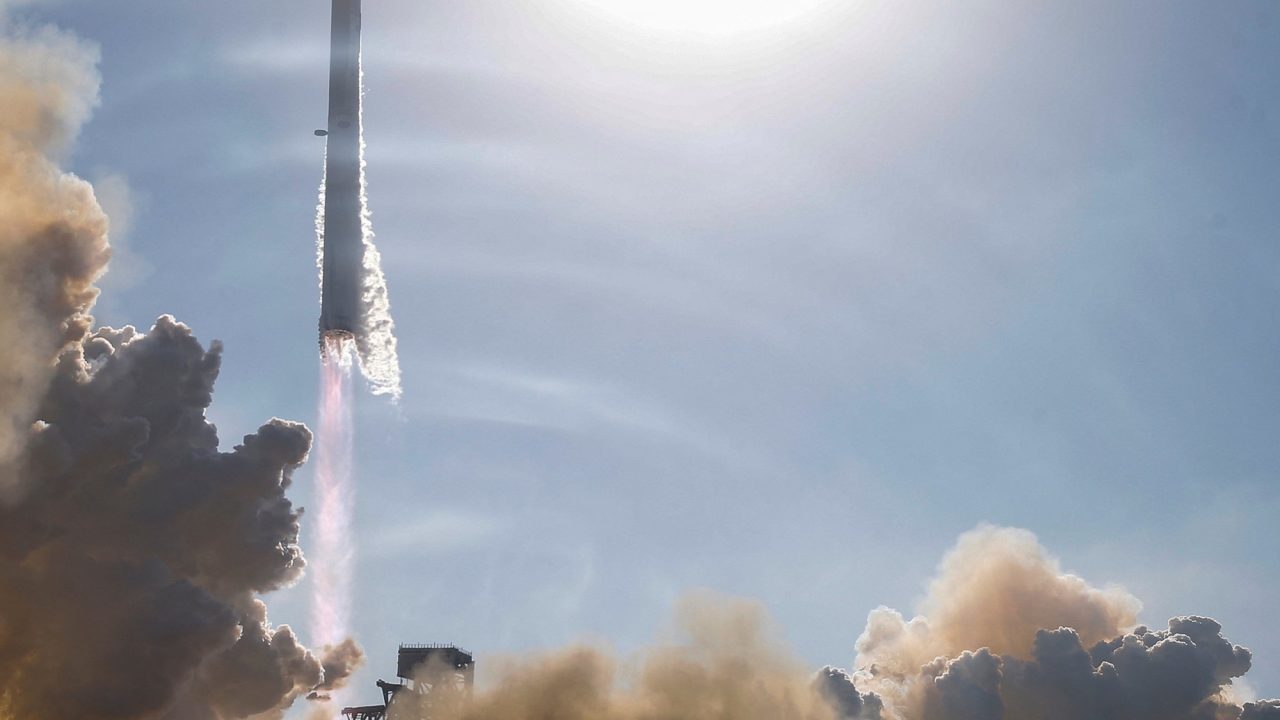
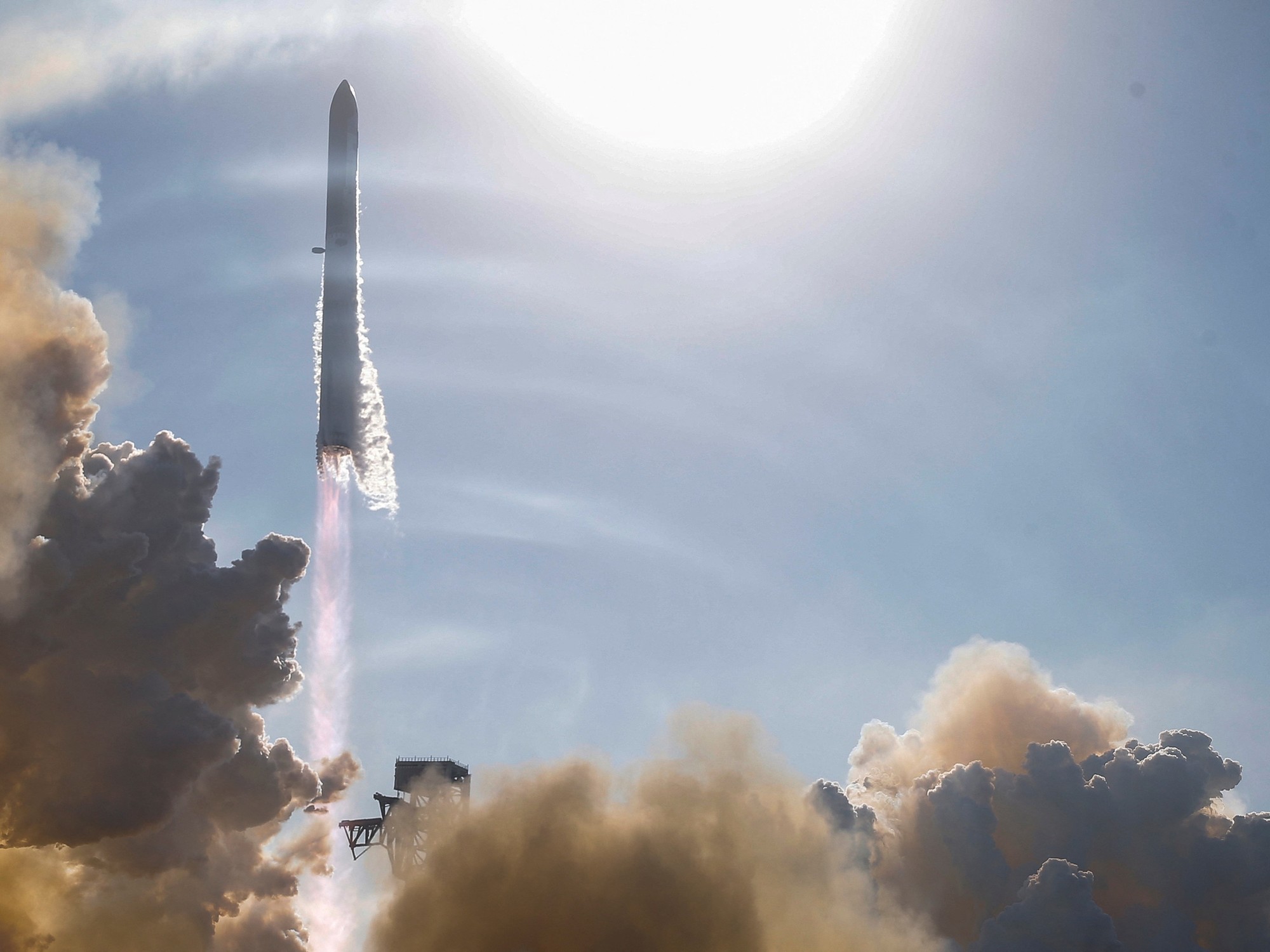
SpaceX achieved a significant milestone with the successful launch of its 12th Starship test flight from Texas, marking a crucial step in the company’s ambitious space exploration plans and its partnership with NASA. The flight, which lasted over 65 minutes, saw the megacohete separate its stages as intended, but encountered issues during its descent, ultimately resulting in an explosion upon its planned splashdown in the Indian Ocean, according to reports from Clarin Deportes.
Crucial Test for Lunar Ambitions
The launch, which had been postponed twice due to technical issues, finally took place with high expectations. Starship, standing at an impressive 124 meters tall, is SpaceX’s latest iteration of its super heavy-lift launch vehicle. This latest version incorporates numerous improvements, a key factor as SpaceX prepares for a potential Initial Public Offering (IPO) in June, which is anticipated to be a record-breaking event. The success of these test flights is paramount for SpaceX’s ongoing contract with NASA, which aims to utilize a modified Starship for its Artemis lunar missions, targeting a crewed landing on the Moon in 2028. This endeavor places SpaceX in a race against China, which also has aspirations for a crewed lunar mission before 2030.
Challenges During Descent
Despite the successful liftoff and stage separation, the flight was not without its complications. According to SpaceX spokesperson Dan Huot, as reported during the live transmission, the booster did not complete its planned burn and descended rapidly and uncontrollably into the Gulf of Mexico. While SpaceX did not intend to recover the booster intact, it was slated for a controlled splashdown. Live viewership captured the sequence, with mission control confirming a splashdown. However, subsequent observations indicated that the spacecraft was not in the correct orbit due to a failure in one of its engines, according to images and statements from control. To compensate, the remaining five engines were engaged for a longer duration. Huot described the orbital insertion as “not nominal” but confirmed the rocket was on a trajectory within pre-established margins.
Celebrations and Expert Reactions
SpaceX employees erupted in cheers as the Starship began deploying a set of test satellites and two specially modified Starlink satellites equipped with cameras to analyze the vehicle’s heat shield. Elon Musk, the founder of SpaceX, lauded his team on X, calling the flight “epic” and stating, “You have scored a goal for humanity.”
Aerospace experts acknowledged the flight’s progress. Clayton Swope, an aerospace expert at the Center for Strategic and International Studies, told AFP that the improved Starship performed most of its expected functions during the launch. NASA Administrator Bill Nelson also shared his praise on X, tweeting, “One step closer to the Moon… one step closer to Mars.” This sentiment was echoed by other space agencies and industry leaders, highlighting the collaborative and competitive nature of current space exploration efforts. Both SpaceX and its rival Blue Origin, led by Jeff Bezos, are prioritizing projects related to lunar missions, with NASA planning an in-orbit rendezvous test in 2027 and a crewed lunar landing before the end of 2028.
What remains unclear
While the launch and initial stages were largely successful, the exact cause and implications of the booster’s uncontrolled descent and the subsequent explosion upon splashdown in the Indian Ocean are still being analyzed. SpaceX has not yet released a detailed report on these specific anomalies, and it is unclear how these events will impact future test flight schedules or the design modifications for the Starship version destined for NASA’s lunar missions. Further clarification is expected from SpaceX regarding the extent of the damage from the explosion and any adjustments to their recovery or descent protocols.
Key Flight Details
- Launch Date: May 23, 2026
- Launch Site: Texas, USA
- Flight Duration: Over 65 minutes
- Outcome: Successful launch, stage separation, and ocean splashdown; booster explosion upon landing
- Significance: Crucial for NASA’s lunar program and SpaceX’s potential IPO
The continued development of Starship is of immense importance to FootballGames10 readers, as advancements in space technology often inspire innovation across various fields, including materials science, propulsion, and data transmission. The potential for future space-based activities and the ongoing competition and collaboration between major spacefaring nations and private companies are subjects of global interest. Understanding these developments can provide insights into technological progress that could indirectly influence advancements in sports science, broadcasting, and global connectivity.
Source: Clarin Deportes, https://www.clarin.com/internacional/spacex-exitoso-lanzamiento-ultima-version-cohete-starship-aterrizaje-asusto_0_2Ilr09q0xs.html
Source
Clarin Deportes Original publication: 2026-05-23T05:41:27+00:00
Related news

Chelsea WSL 2026-27 Season Preview: Transition, New Faces, and a Fresh Start at Stamford Bridge
Chelsea enter the new Women’s Super League season after a summer of major changes, with key departures, high-profile arrivals, and a move…
Read story
Celtic’s Champions League Collapse: A Timeline of the LASK Disaster
Celtic threw away a 4-0 aggregate lead against LASK in the Champions League qualifiers, suffering a humiliating 5-4 defeat after extra time.…
Read story
Body of Missing 5-Year-Old Belgian Boy Likely Found Near Football Club; Father Still Missing
The body of 5-year-old Tyméo Brigou, missing since late June, has likely been found in a wooded area just two kilometers from…
Read story
Serie A clubs Lazio and Fiorentina show interest in free agent Mauro Icardi
The 33-year-old Argentine striker remains a free agent after leaving Galatasaray, with Lazio and Fiorentina both considering a move before the Italian…
Read story