Sweden’s World Cup Journey: A Confusing Path to the Knockout Stage
Despite a rollercoaster qualification and group stage, Sweden has surprisingly reached the knockout rounds of the World Cup 2026, leaving fans and players alike in a state of bewildered optimism.
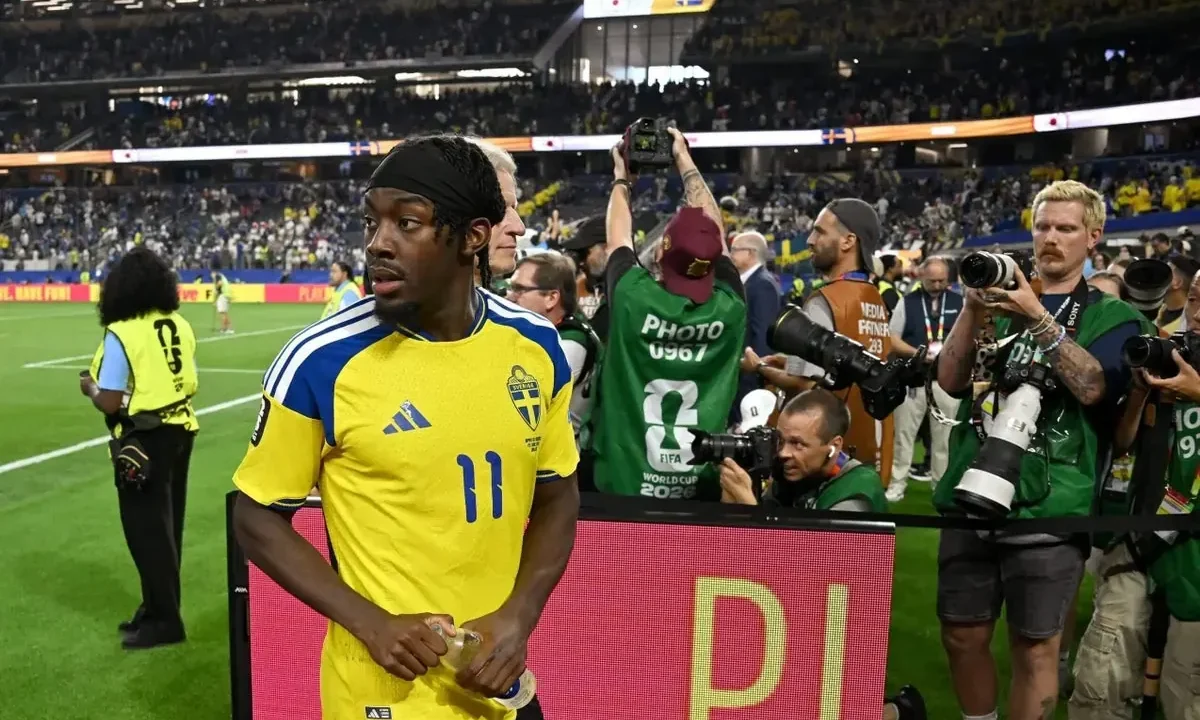
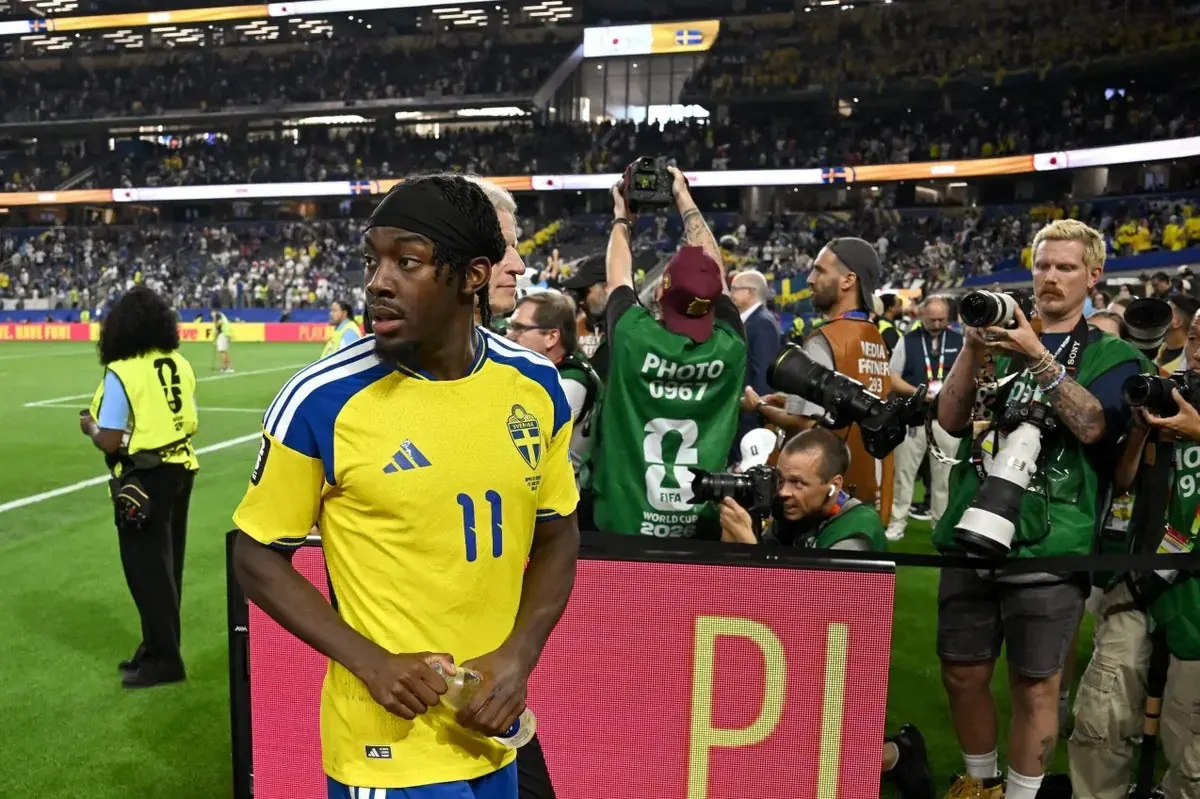
The World Cup 2026 has showcased a Sweden side that defies easy categorization, embarking on a journey filled with dramatic swings in form and unexpected outcomes, ultimately securing a place in the knockout stage. This unpredictable path has left many, including winger Anthony Elanga, in a state of confusion, yet it represents a significant achievement for a nation that faced considerable doubt.
A Tumultuous Qualification and Group Stage
Sweden’s route to the tournament was far from straightforward. They initially failed to win any of their six qualification games. However, their performance in Nations League C earned them a spot in the UEFA playoffs. Further fortune smiled upon them when their semi-final playoff against Ukraine was moved to a neutral venue, and they won a coin toss to host the final against Poland, which they won impressively.
Once at the World Cup, Sweden’s group stage performances mirrored this unpredictability. They began with a resounding 5-1 victory over Tunisia, followed by a heavy 5-1 defeat to the Netherlands. Their passage into the knockout stage was confirmed with a disciplined 1-1 draw against a strong Japanese side, a result that sealed their progression despite Elanga’s initial frustration at the scoreline.
Manager Graham Potter acknowledged the confusion surrounding his team’s results, stating his belief that neither of the 5-1 scorelines accurately reflected the true nature of those matches. Sweden was not four goals better than Tunisia, nor four goals worse than the Netherlands. These results, while misleading, ultimately contributed to their advancement.
Tactical Adaptability and Surprise Selections
The match against Tunisia, while a significant win, might have offered false hope. The attacking partnership of Alexander Isak and Viktor Gyokeres, both prominent strikers for top Premier League clubs, has rarely shown strong chemistry in subsequent games.
The Netherlands clash highlighted Sweden’s tactical flexibility. After falling behind, Potter switched from a 5-3-2 to a 5-4-1 formation, which dramatically altered the game’s momentum. Sweden mounted a comeback and were unlucky to lose by such a wide margin.
Facing Japan, Sweden adopted an underdog approach, mirroring Japan’s 3-4-3 formation. This tactical decision proved effective, allowing players like Anthony Elanga to thrive. Surprising selections included Gabriel Gudmundsson playing in the back three and captain Victor Lindelof moving into midfield. Jacob Zetterstrom also started in goal ahead of Kristoffer Nordfeldt. Mirroring Japan’s system simplified responsibilities for the Swedish players, enabling effective pressing and control of the flanks. Despite an injury to key defender Isak Hien, the team maintained its composure, with Lindelof returning to defense.
Potter explained his defensive approach against Japan, noting the need to counter Japan’s attacking five with a “full-back profile” in defense to manage their movement. He admitted the team was still working on optimizing the use of Isak and Gyokeres and ensuring compactness.
A Draw Against Japan and Knockout Qualification
Sweden was eventually undone by a well-worked Japanese goal, but Elanga’s late strike salvaged a crucial draw. This point secured their place in the knockout stage, exceeding expectations set after a difficult qualification period and Potter’s appointment in October.
The rollercoaster ride has now entered its most intense phase, with Sweden uncertain of their next opponent, the location, or the date of their knockout match. This unpredictability, while baffling, has defined their World Cup 2026 journey.
Key facts
| Aspect | Detail |
|—|—|
| Qualification | Failed to win any of six qualification games, advanced via playoffs. |
| Group Stage Results | Won 5-1 vs Tunisia, Lost 5-1 vs Netherlands, Drew 1-1 vs Japan. |
| Manager | Graham Potter |
| Key Player | Anthony Elanga (scored crucial equalizer vs Japan) |
| Current Stage | Qualified for World Cup 2026 Knockout Stage |
For FootballGames10 readers, Sweden’s improbable journey to the knockout stages serves as a reminder of the unpredictable nature of tournament football. Their ability to navigate a difficult qualification and a topsy-turvy group stage, marked by tactical adjustments and individual brilliance, highlights the resilience and adaptability required to succeed on the world stage. The team’s confusing yet ultimately successful path offers a compelling narrative of perseverance against the odds.
Source: The Athletic Football – https://www.nytimes.com/athletic/7396250/2026/06/25/sweden-confusing-anthony-elanga/
Datos clave
| Punto | Detalle |
|---|---|
| Fuente | The Athletic Football |
| Fecha | 2026-06-26T03:30:34+00:00 |
| Tema | Sweden are the most confusing side at World Cup 2026. Just ask Anthony Elanga |
Source
The Athletic Football Original publication: 2026-06-26T03:30:34+00:00
Related news
Celtic’s Europa League struggles deepen as Benfica expose familiar flaws
A 4-1 defeat in Lisbon leaves Celtic with two losses from two Europa League group games. Martin O’Neill sees positives in the…
Read story
Borussia Dortmund Fall to Bodø/Glimt in Champions League Shock
Fredrik Sjøvold’s second-half strike gave the Norwegian side a 1-0 win over Niko Kovač’s Dortmund, who struggled to break down a disciplined…
Read story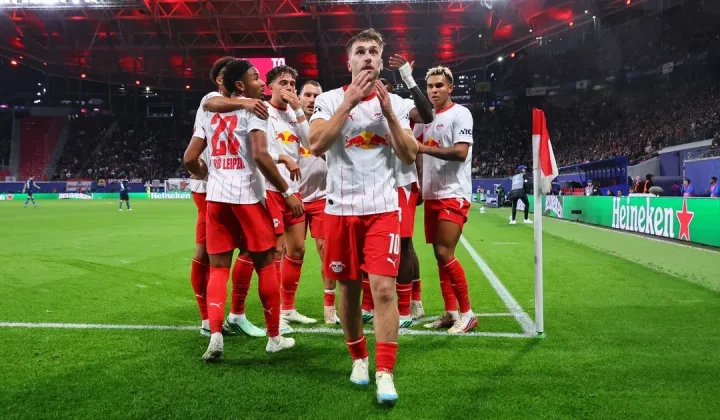
Brajan Gruda Strike Gives RB Leipzig 1-0 Champions League Win Over PSV
Brajan Gruda scored in the 75th minute after Maarten Vandevoordt saved an Ivan Perisic penalty as RB Leipzig defeated PSV Eindhoven 1-0.
Read story
Real Betis vs Porto: Champions League Clash Preview and Prediction
Real Betis host Porto in a crucial Champions League league-phase match. Preview includes team news, possible lineups, and analysis of both sides'…
Read story