
Tactical Analysis: How AC Milan Overcame Genoa 2-1 to Boost Champions League Hopes
AC Milan secured a crucial 2-1 victory over Genoa, a result that significantly bolsters their Champions League qualification aspirations. This tactical breakdown examines how Milan navigated early build-up challenges and adapted their game plan to secure all three points.
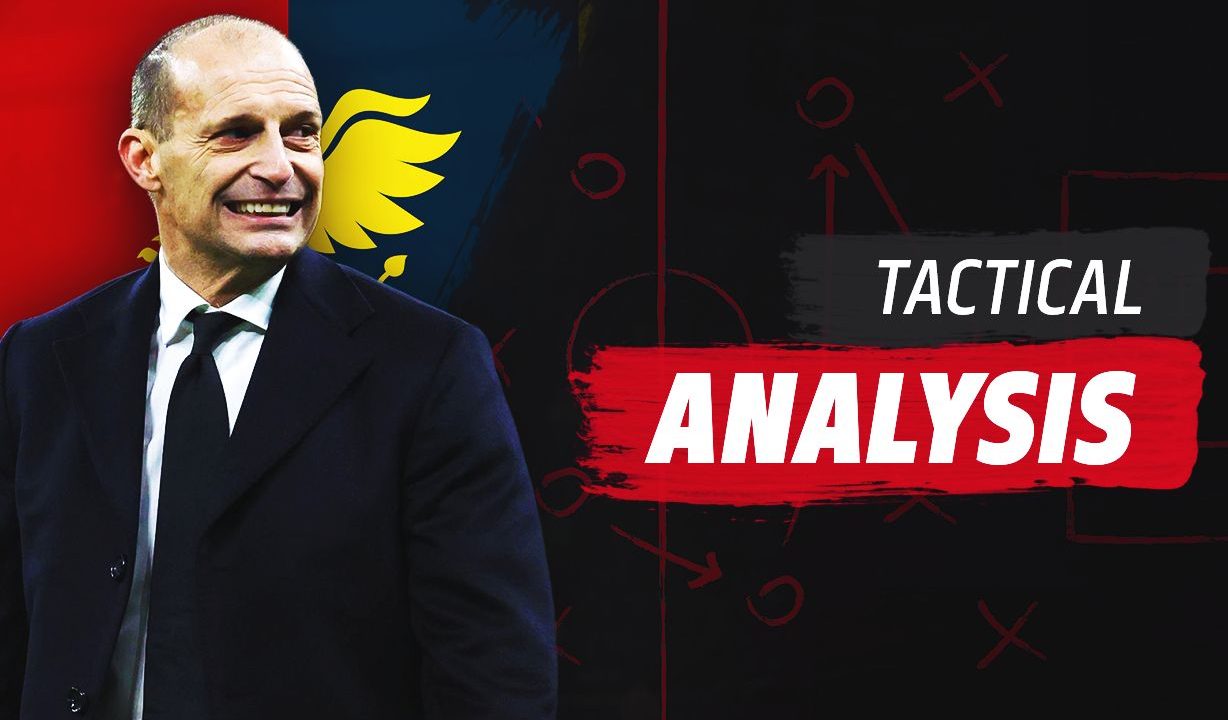
AC Milan clinched a vital 2-1 away victory against Genoa on Sunday afternoon, a result that significantly enhances their push for Champions League qualification. The match, while lacking quality in the first half, saw Milan assert control after a crucial penalty incident and a tactical shift that helped overcome early build-up issues.
The win puts Milan back into third place in the Serie A standings, following an unexpected loss for Juventus against Fiorentina. With just one game remaining in the season, Milan still needs a win in their final fixture to guarantee their spot in Europe’s premier club competition, pending other results.
Initial Line-ups and Tactical Set-up
Massimiliano Allegri made five changes to the Milan starting XI following their loss to Atalanta. Fikayo Tomori returned to a three-man defense, with Zachary Athekame on the right flank, and a midfield pairing of Youssouf Fofana and Ardon Jashari. Christopher Nkunku led the line up front. Genoa, expected to play a 3-5-2, surprised with a 4-3-2-1 formation under Daniele De Rossi. Malinovskyi, Amorim, and Frendrup operated deeper in midfield, supporting Baldanzi and Vitinha behind striker Colombo.
Milan’s strategy aimed to overload the central areas, forcing Genoa to build play through wider channels. Genoa responded by pushing Ellertsson higher and having Vásquez drop deeper to create a temporary back three in possession, with Amorim often supporting wide circulation. Colombo acted as a target man in the middle third, facilitating quick switches of play. Milan deployed a high defensive line to pressure Genoa’s build-up, but the pressing lacked consistent intensity, allowing Genoa to circulate the ball effectively.
Build-up Challenges and Midfield Gaps
A significant concern for Milan in the first half was the absence of a central presence during their build-up phases. The middle of the pitch often remained vacant, limiting reliable passing options between the lines and making Milan’s circulation predictable. Jashari frequently had to carry the ball forward directly from the center-backs due as midfield options were scarce centrally. Adrien Rabiot often drifted wide to evade Genoa’s press instead of occupying crucial interior spaces, leading to a disconnect between midfield and attack.
Genoa capitalized on this, maintaining a compact four-player structure in the center, while Milan struggled to occupy the space between the lines despite their high defensive line. Milan’s first real chance came from a corner, with Fofana exploiting space at the front post, but his header was saved.
The Breakthrough and Tactical Adjustment
Milan’s opening goal came from a penalty, initiated by Christopher Nkunku’s excellent anticipation and Jashari’s aggressive counter-pressing. Jashari immediately pressured Amorim after a turnover, limiting his options. Nkunku, tracking Amorim’s movement, gambled on an early jump into the passing lane, which paid off and led to the foul inside the box. Nkunku converted the spot-kick, his fifth out of five for the club. Zachary Athekame then doubled Milan’s lead with a powerful low shot later in the half. Despite a late goal from Vasquez for Genoa, Milan held on for the win.
Datos clave:
| Aspecto | Detalle |
|---|---|
| Resultado final | Genoa 1-2 AC Milan |
| Goleadores Milan | Christopher Nkunku (pen), Zachary Athekame |
| Posición en liga | 3º en Serie A |
| Próximo objetivo | Asegurar clasificación a Champions League |
A crucial tactical adjustment saw Milan shift away from their problematic central build-up in the second half. They increasingly relied on direct long balls, particularly from Mike Maignan’s goal kicks, to bypass congested central areas and quickly progress play into advanced zones. Most of these deliveries were aimed towards the left flank, where Jashari naturally drifted into the left half-space. This, combined with the positioning of Nkunku, Bartesaghi, and Rabiot, allowed Milan to establish numerical superiority on that side, increasing their chances of winning second balls and sustaining attacks higher up the pitch.
Impact of Substitutions
A significant, though initially overlooked, moment was Allegri’s decision to introduce Niclas Füllkrug. Prior to his arrival, Genoa’s Marcandalli had dominated aerial duels, rendering Maignan’s long-ball strategy largely ineffective as Milan struggled to win first and second balls. Füllkrug immediately changed this dynamic, winning three of the four aerial duels he contested. This provided Milan with a reliable outlet, allowing them to better contest aerial balls and maintain possession higher up the pitch, ultimately contributing to their ability to withstand late pressure and secure the victory.
This hard-fought victory is crucial for FootballGames10 readers interested in AC Milan’s European aspirations. The tactical flexibility shown by Allegri in adapting to Genoa’s setup and overcoming initial build-up challenges highlights the team’s resilience as they push for Champions League football.
Fuente: SempreMilan RSS, https://sempremilan.com/tactical-analysis-genoa-1-2-ac-milan-2
Source
SempreMilan RSS Original publication: 2026-05-18T18:49:31+00:00
Related news

Body of Missing 5-Year-Old Belgian Boy Likely Found Near Football Club; Father Still Missing
The body of 5-year-old Tyméo Brigou, missing since late June, has likely been found in a wooded area just two kilometers from…
Read story
Serie A clubs Lazio and Fiorentina show interest in free agent Mauro Icardi
The 33-year-old Argentine striker remains a free agent after leaving Galatasaray, with Lazio and Fiorentina both considering a move before the Italian…
Read story
Therian Interrupts “Aura Farming” Gathering in La Plata, Gets Escorted Out by Crowd
A person identifying as a therian briefly disrupted a large "aura farming" meetup in La Plata's Plaza Moreno on Saturday, only to…
Read story
Seven Argentine Players Named in CONMEBOL Team of the Week for Copa Libertadores and Sudamericana
CONMEBOL has selected its ideal lineups for the round of 16 second legs, with seven Argentine players earning spots across both the…
Read story