
Navigating the Gauntlet: How Three Matches in Eight Days Shapes Football Fortunes
Explore the impact of playing three football matches in eight days on team performance, tactical approaches, and player welfare. This demanding schedule tests squad depth, influences results, and requires meticulous management from clubs across top leagues.
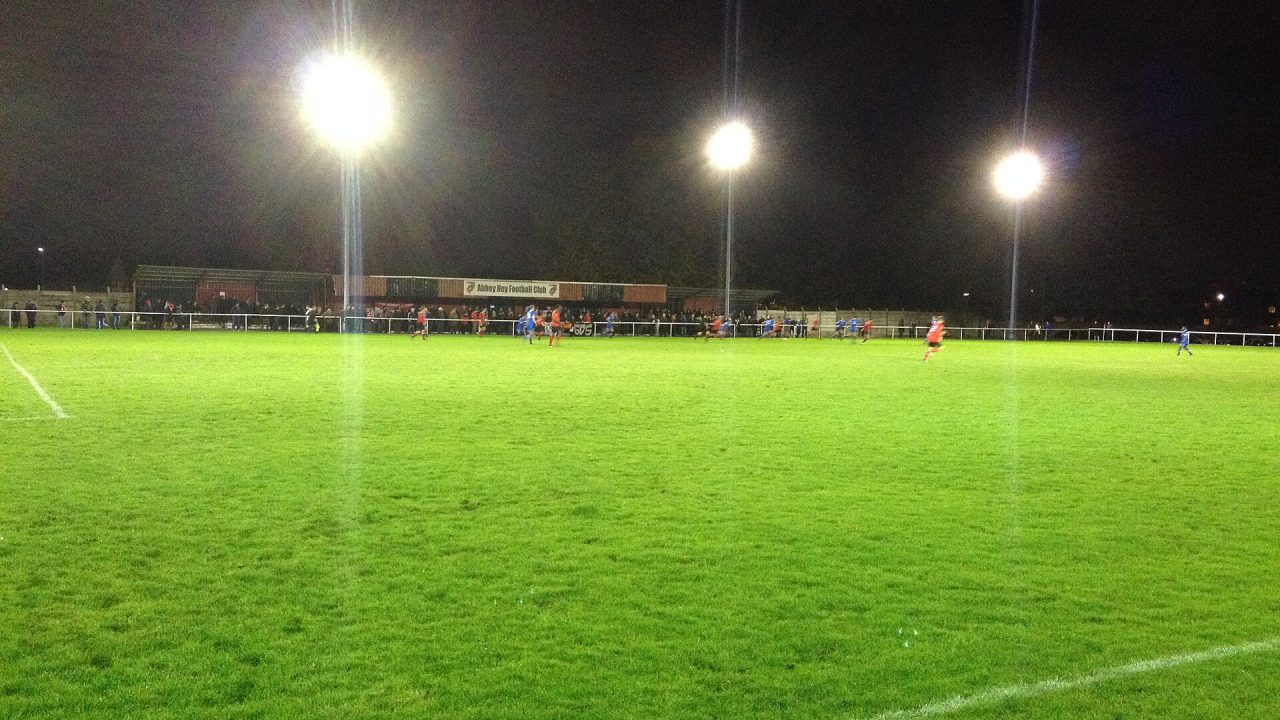

The modern football calendar is relentlessly demanding, pushing teams to their physical and mental limits. Among the most challenging periods is the notorious “three matches in eight days” stretch, a common occurrence in leagues with cup competitions, European fixtures, or rescheduled games. This condensed schedule is more than just a logistical hurdle; it’s a crucible that profoundly impacts team performance, tactical decisions, and ultimately, a club’s fortunes. Understanding the patterns and implications of such a gauntlet is crucial for fans, analysts, and coaches alike.
This article delves into how playing three matches in eight days affects teams, examining the known challenges, the uncertainties clubs face, and why these patterns matter deeply to the fabric of professional football.
The Physical Toll: Fatigue and Injury Risk
The most immediate and obvious impact of a condensed fixture list is the physical strain on players. Professional footballers operate at peak physical condition, but even elite athletes have limits. Playing a full 90 minutes, let alone three times in just over a week, significantly increases physiological stress.
Muscles require adequate time to recover from the micro-traumas of high-intensity exercise. Glycogen stores need replenishing, and the central nervous system needs rest. When recovery time is cut short, fatigue accumulates. This isn’t just about feeling tired; it manifests in slower reaction times, reduced sprint distances, decreased accuracy in passing and shooting, and a higher propensity for errors.
More critically, accumulated fatigue is a primary precursor to injuries. Soft tissue injuries, such as hamstring strains, groin pulls, and calf issues, are more likely when muscles are overworked and not fully recovered. Ligament and joint injuries can also occur as players might lose a fraction of a second in anticipating a tackle or landing awkwardly due due to diminished proprioception. Clubs invest millions in sports science to monitor player load and mitigate these risks, but the schedule often forces difficult compromises.
Tactical Adaptations and Squad Depth
When faced with three games in eight days, managers are forced to make significant tactical and personnel adjustments. The luxury of fielding a consistent starting XI in every game diminishes rapidly. This is where the true value of squad depth becomes apparent.
Squad Rotation: The most common strategy is squad rotation. Managers will strategically rest key players, giving opportunities to fringe players or those returning from injury. This isn’t just about giving players a break; it’s about maintaining energy levels across the squad. However, excessive rotation can disrupt team cohesion and understanding, leading to disjointed performances. Finding the right balance between fresh legs and established partnerships is a constant tightrope walk.
Tactical Flexibility: Teams might also adopt more conservative tactical approaches. High-pressing games, which demand immense physical output, might be scaled back. Instead, teams could opt for a more compact defensive shape, relying on counter-attacks or set-pieces. The emphasis shifts from dominating possession and overwhelming opponents to managing energy, controlling the tempo, and exploiting specific moments. This can sometimes lead to less aesthetically pleasing football but is a pragmatic response to the physical demands.
Impact of Key Injuries: The absence of even one or two critical players due to injury during such a period can be catastrophic. If a team’s primary striker, creative midfielder, or defensive anchor is sidelined, the ripple effect on tactical options and overall performance can be severe. This highlights the importance of having capable deputies who can step in without a significant drop in quality.
Impact on Results: Known Patterns
While every game is unique, certain patterns tend to emerge during periods of fixture congestion:
- Home Advantage: The importance of home advantage can be amplified. Reduced travel time and the comfort of familiar surroundings can provide a slight edge when players are fatigued.
- Late Goals: Games often see more goals scored in the latter stages. As fatigue sets in for both teams, defensive lapses become more common, leading to late drama and shifts in momentum.
- Upsets: Smaller teams or those with less demanding schedules can sometimes spring surprises against top clubs struggling with fatigue. The physical gap can narrow, allowing tactical discipline and high effort to overcome superior individual talent.
- Consistency Challenges: Maintaining a high level of performance across all three games is incredibly difficult. Teams might excel in one, draw another, and lose the third, leading to inconsistent results that can derail league campaigns or cup runs.
The Uncertainty Factor: Why It Matters
Despite extensive planning and sports science, a significant degree of uncertainty surrounds how a team will perform during these intense periods.
- Individual Player Response: Not all players react to fatigue in the same way. Some have higher natural stamina or faster recovery rates. Predicting individual performance dips is an inexact science.
- Psychological Impact: Beyond the physical, the mental toll is considerable. The constant pressure, lack of downtime, and need to perform under duress can lead to mental fatigue, affecting decision-making and resilience.
- Opposition Context: The quality and style of the opponents faced within the eight-day window are critical. Playing three physically demanding teams compared to one top-tier and two lower-league sides presents a vastly different challenge.
- Unforeseen Events: Red cards, early injuries, or controversial refereeing decisions can completely alter the dynamics of a game and further complicate a manager’s plans for subsequent matches.
These uncertainties make the three-matches-in-eight-days period a true test of a club’s overall strength – not just its starting XI, but its entire squad, coaching staff, and medical team.
Strategic Planning and Management
Effective management during these periods is paramount. Clubs employ sophisticated strategies to navigate the gauntlet:
- Pre-season Conditioning: Building a robust physical foundation during pre-season is crucial to prepare players for the demands of the entire season, including congested periods.
- Nutritional Support: Meticulously planned nutrition and hydration programs are implemented to aid recovery and maintain energy levels.
- Recovery Protocols: Cryotherapy, massage, active recovery sessions, and adequate sleep are all vital components of accelerated recovery.
- Data Analytics: GPS tracking, heart rate monitors, and other biometric data are used to assess player load and fatigue, informing rotation decisions.
- Communication: Open communication between players, coaches, and medical staff is essential to identify fatigue signs early and manage expectations.
Case Study: A Generic Fixture Congestion Example
To illustrate the impact, consider a hypothetical scenario for a top-tier club:
| Date | Competition | Opponent | Location | Result Trend (Hypothetical) | Key Implication |
|---|---|---|---|---|---|
| Day 1 (Sat) | League | Rival Club A | Home | Win, high intensity | Star players exert maximum effort. |
| Day 4 (Tue) | Champions League | European Giant B | Away | Draw, resilient defense | Squad rotation, tactical conservatism. |
| Day 8 (Sat) | League | Mid-Table Club C | Home | Loss, tired performance | Fatigue-induced errors, missed chances. |
In this sequence, the club starts strong with a crucial league win, possibly at the expense of significant energy. The Champions League match requires a pragmatic approach, potentially leading to a hard-fought draw. By the third game, even against a theoretically weaker opponent, accumulated fatigue can lead to a dip in performance, resulting in an unexpected loss. This shows how results can fluctuate dramatically within a short span due to the demands of the schedule.
Reader Takeaways: What You Should Look For
When observing teams playing three matches in eight days, keep these points in mind:
Squad Depth: Evaluate how many viable options a manager has on the bench. Are the rotated players maintaining quality?
2. Tactical Shifts: Notice changes in formation, pressing intensity, or overall game plan. Is the team playing more conservatively?
3. Late Game Performance: Pay attention to how teams finish matches. Are they fading in the last 20 minutes, or are they still strong?
4. Injury Updates: Keep an eye on post-match injury reports. An increase in soft tissue injuries is a strong indicator of fatigue.
5. Manager Comments: Listen to what managers say about player fitness and the demands of the schedule. Their rhetoric often reveals their challenges.
The three-matches-in-eight-days period is a defining challenge in modern football. It differentiates successful squads from those that falter, highlighting the critical role of comprehensive planning, shrewd management, and robust squad depth. For the discerning fan, understanding these dynamics adds another layer of appreciation for the strategic chess match played out on and off the pitch.
Related news

Body of Missing 5-Year-Old Belgian Boy Likely Found Near Football Club; Father Still Missing
The body of 5-year-old Tyméo Brigou, missing since late June, has likely been found in a wooded area just two kilometers from…
Read story
Serie A clubs Lazio and Fiorentina show interest in free agent Mauro Icardi
The 33-year-old Argentine striker remains a free agent after leaving Galatasaray, with Lazio and Fiorentina both considering a move before the Italian…
Read story
Therian Interrupts “Aura Farming” Gathering in La Plata, Gets Escorted Out by Crowd
A person identifying as a therian briefly disrupted a large "aura farming" meetup in La Plata's Plaza Moreno on Saturday, only to…
Read story
Seven Argentine Players Named in CONMEBOL Team of the Week for Copa Libertadores and Sudamericana
CONMEBOL has selected its ideal lineups for the round of 16 second legs, with seven Argentine players earning spots across both the…
Read story