Exposure to unhealthy food and drink branding ‘unavoidable’ during World Cup, new study finds
A University of Bristol study reveals nearly 66,000 visible appearances of unhealthy food and drink brands during the World Cup finals, raising concerns about marketing exposure for football fans.
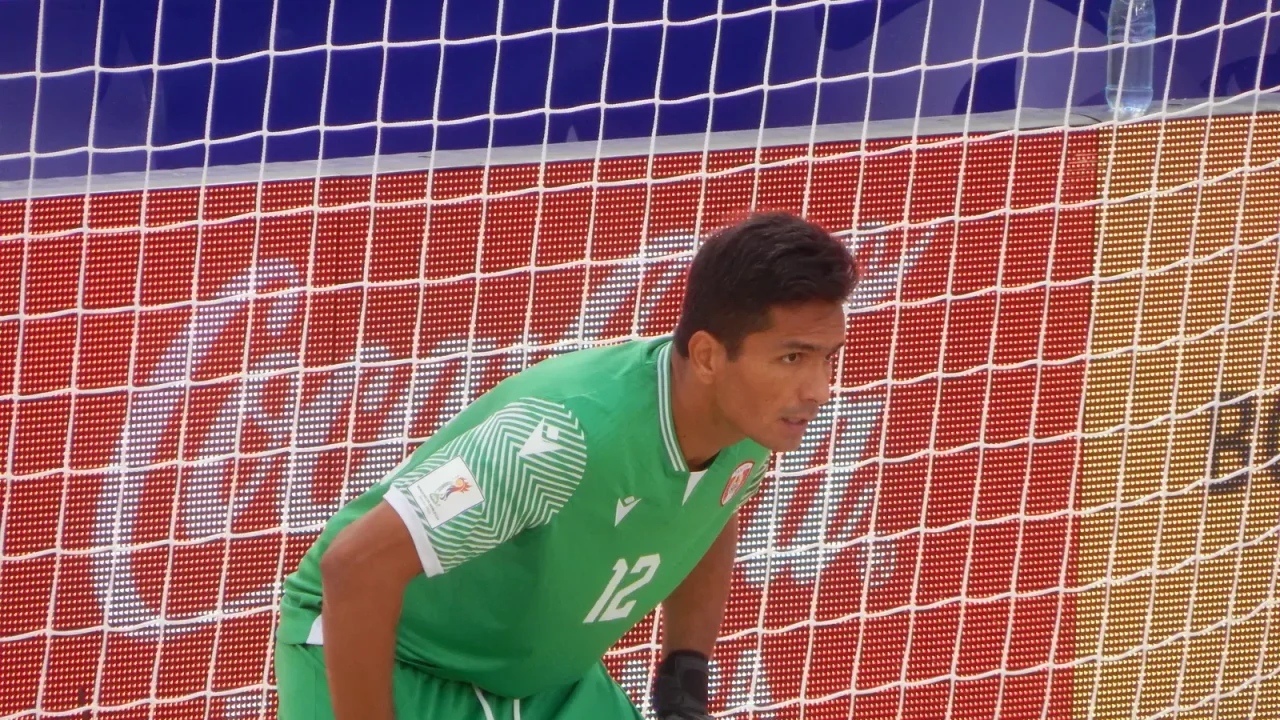

A new study from the University of Bristol has found that exposure to branding for unhealthy food and drink products during the World Cup finals was effectively unavoidable for viewers, with almost 66,000 visible appearances of such brands recorded across the tournament.
The research, published on September 21, 2026, analysed broadcast coverage and in-stadium visibility during the most recent World Cup finals. It found that alcohol, sugary drinks, fast food, and confectionery brands appeared with such frequency that fans watching matches would have been exposed to their marketing hundreds of times per game, whether through perimeter boards, shirt sponsors, broadcast graphics, or commercial breaks.
The study adds to a growing body of evidence that major sporting events, particularly football’s flagship international tournament, have become saturated with marketing from companies whose products are linked to obesity, diabetes, and other non-communicable diseases.
Key facts
| Metric | Detail |
|---|---|
| Total brand appearances | Nearly 66,000 visible appearances during the finals |
| Product categories | Alcohol, sugary drinks, fast food, confectionery |
| Research institution | University of Bristol |
| Publication date | September 21, 2026 |
Why this matters for football fans
For supporters who watch multiple matches across a World Cup, the cumulative effect is significant. The study’s authors argue that the sheer volume of exposure makes it difficult for viewers to avoid marketing messages, even if they are not actively seeking commercial content.
The research also highlights how brand placement is woven into the fabric of the broadcast experience. Perimeter advertising, which changes dynamically for different global audiences, ensures that viewers in different markets see tailored marketing. Pre-match analysis, half-time segments, and post-match coverage are also frequently sponsored or feature branded backdrops.
This matters for football fans because the World Cup is one of the most-watched events globally. Families, including children, watch matches together. The study suggests that current regulations around broadcast marketing during major sporting events may not be sufficient to protect viewers from repeated exposure to unhealthy products.
How the study was conducted
Researchers at the University of Bristol used a combination of manual coding and automated analysis to count brand appearances across multiple matches. They focused on visible branding that appeared on screen, including perimeter boards, shirt logos, interview backdrops, and broadcast graphics.
The count of almost 66,000 appearances covers the full tournament, not just individual matches. This means that across all games, pre-match programming, and related content, unhealthy food and drink brands were present at a rate that researchers described as pervasive.
The study did not measure the direct health impact of this exposure, but previous research has established a link between repeated marketing exposure and increased consumption of unhealthy products, particularly among younger audiences.
Parallel findings from global health research
The Bristol study aligns with recent work from Vital Strategies, a global public health organisation, which used AI-driven analysis to track soda and alcohol marketing embedded in social media content. Their Canary platform found that such marketing generates billions of impressions by appearing in sports highlights, influencer content, and viral moments.
Vital Strategies described this as a deliberate strategy by companies to make harmful products seem normal and unavoidable. Sandra Mullin, Senior Vice President at Vital Strategies, said: “Companies are using culture, entertainment and social media to make harmful products—like alcohol, tobacco and sugary drinks—seem normal and unavoidable. And this undermines critically important policies to reduce consumption.”
The convergence of these two studies suggests that the issue extends beyond traditional advertising and into the content that fans consume daily, both during tournaments and in regular football coverage.
What this means for football governance
The findings raise questions for FIFA and national football associations about the balance between commercial revenue and public health responsibilities. World Cup sponsorship deals with beverage and fast food companies are among the most lucrative in sport, and replacing that revenue would be a significant financial challenge.
However, the study’s authors argue that governing bodies have a duty to consider the broader impact of their commercial partnerships. Some football leagues, such as the English Football League, have already moved to ban gambling shirt sponsors, setting a precedent for restricting certain categories of marketing.
No official response from FIFA has been reported at the time of writing, and the study does not make specific policy recommendations. It instead presents the data as a starting point for discussion about whether current levels of exposure are acceptable.
For fans, the study provides a clearer picture of just how much marketing they are exposed to when watching football’s biggest event. Whether that leads to changes in sponsorship policy or broadcast regulation remains to be seen.
Source: The Athletic Football – https://www.nytimes.com/athletic/7617423/2026/09/21/unhealthy-food-drink-world-cup-study/
Source
The Athletic Football Original publication: 2026-09-21T23:01:32+00:00
Related news

Gillingham vs Cambridge United: EFL Trophy Southern Group G Preview, Team News, and Prediction
League Two's in-form Gillingham host League One side Cambridge United in the EFL Trophy on Tuesday. We preview the clash with team…
Read story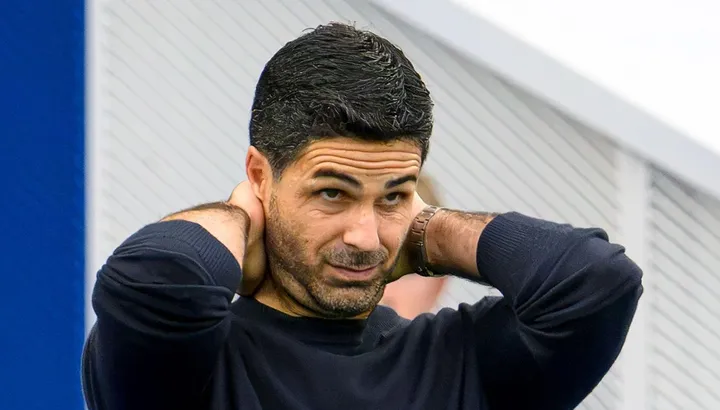
Brighton defeat exposes five cracks in Arsenal’s Premier League title defence
Arsenal’s perfect start to the season came to a sudden halt with a 3-0 loss at Brighton. The result has raised fresh…
Read story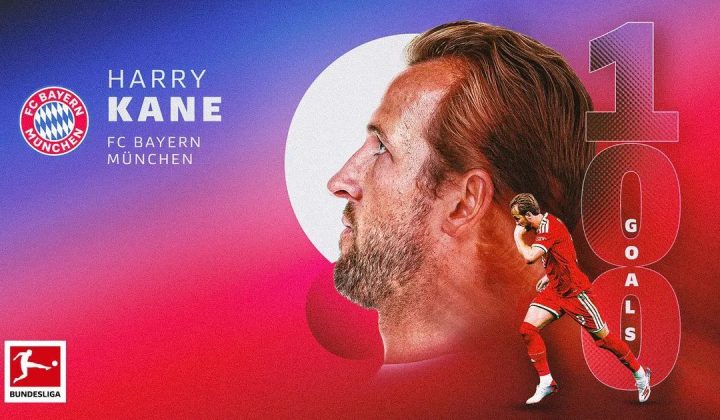
Harry Kane Fastest to 100 Bundesliga Goals, Reaches Milestone in 98 Appearances for Bayern Munich
Harry Kane scored his 100th Bundesliga goal in Bayern Munich’s 7-0 win over Union Berlin, setting a new record for the fastest…
Read story
Bayern Munich’s Luis Díaz Backs Harry Kane for 2026 Ballon d’Or
Bayern Munich and Colombia forward Luis Díaz has publicly backed teammate Harry Kane to win the 2026 Ballon d'Or, calling the England…
Read story