
Beyond the Scoreline: How to Weigh Red Cards, Penalties, and Injuries in Match Reports
A comprehensive guide for football journalists and fans on how to accurately assess the impact of pivotal match incidents like red cards, penalties, and injuries when writing or reading match reports.
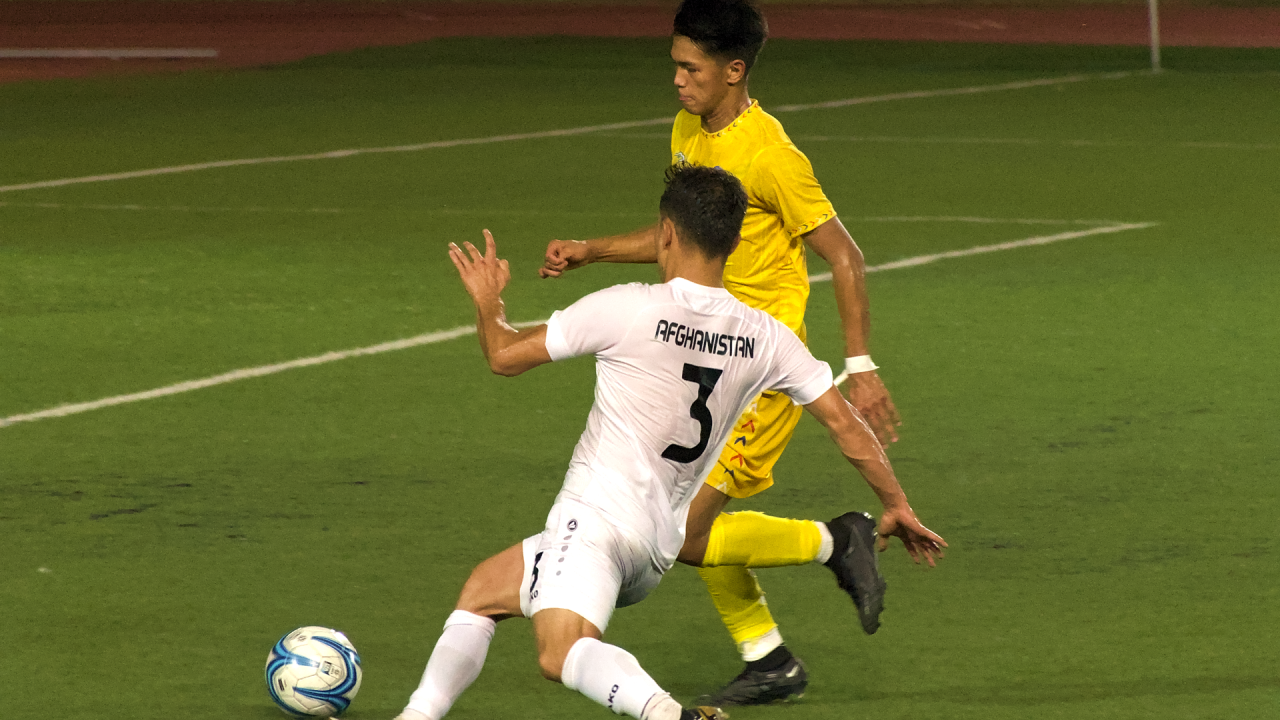
In the fast-paced world of football, match reports serve as the definitive narrative of a game, capturing its essence, key moments, and ultimate outcome. However, the true art of reporting extends beyond merely relaying the score. It involves a nuanced understanding of the incidents that shape a match, particularly those pivotal moments like red cards, penalty decisions, and player injuries. These events are not just isolated occurrences; they are game-changers, capable of dramatically altering tactical approaches, team morale, and, ultimately, the final result.
For journalists and discerning fans alike, the challenge lies in weighing the true impact of these incidents fairly and accurately. Was a red card a clear act of malice that deserved immediate dismissal, or a harsh interpretation that skewed the balance of play? Did a penalty decision genuinely reflect a foul, or was it a contentious call that swung momentum unfairly? How did a key player’s injury force a tactical reshuffle, and what was its actual contribution to the team’s performance? This article delves into how these critical elements should be approached in a fair match report, moving beyond superficial observations to provide deeper, more insightful analysis.
The Importance of Context in Match Reporting
Every football match is a complex tapestry of events, and no single incident occurs in a vacuum. When assessing the influence of a red card, penalty, or injury, context is paramount. A red card in the 5th minute of an evenly matched contest will have a vastly different impact than one shown in the 85th minute with one team already three goals down. Similarly, a penalty awarded for a clear handball on the goal line carries different weight than one given for a soft foul on the edge of the box.
Reporters must consider the flow of the game, the scoreline at the time of the incident, the tactical setup of both teams, and the personnel involved. Was the team already struggling before the incident, or was it dominating? Did the incident occur during a period of sustained pressure from one side? These contextual details elevate a match report from a simple recount to a thorough analysis.
Assessing the Impact of Red Cards
A red card is arguably the most impactful single event in a football match, immediately reducing a team to ten players and forcing a tactical readjustment. Its influence must be meticulously evaluated.
Immediate Tactical Implications: The first consideration is how the red card forces a team to adapt. Did the manager immediately make a substitution to shore up the defence, sacrificing an attacking player? Or did they try to maintain their offensive shape, leaving gaps elsewhere? The formation often shifts, moving from a 4-3-3 to a 4-4-1 or even a 5-3-1. A good match report will detail these changes and their apparent effectiveness.
Psychological Impact: Beyond the tactical, a red card can have a profound psychological effect. It can galvanise the short-handed team, inspiring a defiant performance, or it can crush their morale, leading to a collapse. Conversely, the opposing team might become complacent or, conversely, redouble their efforts to exploit the numerical advantage.
Fairness of the Decision: While a match report should not serve as an appeal platform, it is crucial to accurately describe the incident leading to the red card. Was it a clear professional foul, a dangerous tackle, or a debatable second yellow? Using terms like “contentious dismissal,” “straight red for violent conduct,” or “harsh second yellow” helps readers understand the nature of the decision without outright bias. Official post-match statements from managers or players can also provide valuable context.
Long-Term Consequences: In some cases, a red card might also carry long-term implications, such as a multi-game suspension for a key player, affecting future fixtures. While not directly part of the match’s narrative, it’s a detail worth noting if significant.
Evaluating Penalty Decisions
Penalty kicks represent a unique high-stakes moment, often converting a potential scoring opportunity into a near-certain goal. Their inclusion in a match report requires careful handling.
The Nature of the Foul: Was the penalty awarded for a cynical foul, a clumsy challenge, a handball, or a dive? The match report should clearly describe the incident. For instance, “the referee pointed to the spot after a clear handball by the defender inside the box” is more informative than simply “a penalty was given.” If the decision was controversial, reference the disagreement, perhaps noting “the decision was met with protests from the home side, who argued for a dive.”
Momentum Shift: A penalty, especially if converted, can drastically alter the game’s momentum. A team trailing might find new life, or a team leading might extend their advantage, effectively ending the contest. The report should connect the penalty to the subsequent flow of the game.
Execution of the Penalty: While seemingly straightforward, the execution of the penalty itself can be a narrative point. Was it coolly dispatched, or was it a nervous strike that just crept in? A missed penalty, particularly at a crucial juncture, can be as impactful as a converted one, deflating a team and energising their opponents.
Impact of Player Injuries
Player injuries, particularly to key individuals, can be as disruptive as a red card, forcing unplanned substitutions and tactical adjustments.
Identity of the Injured Player: The impact of an injury is directly proportional to the importance of the player. Losing a star striker, a commanding centre-back, or a creative midfielder will have a far greater effect than losing a squad rotation player. The report should highlight who was injured and their typical role in the team.
Timing of the Injury: An early injury can force a manager to make a substitution they hadn’t planned for, potentially disrupting their entire game plan. A late injury might have less tactical impact but could still affect the team’s ability to see out a result or push for a late goal.
Tactical Ripple Effect: An injury often necessitates a tactical reshuffle. Did a defensive midfielder drop into central defence? Did a winger move into a central attacking role? Did the team’s overall shape change? A good report will outline these changes and assess their success or failure in adapting to the loss.
Subsequent Performance: Did the team struggle to cope with the loss of the injured player, or did the replacement step up admirably? This analysis adds depth to the report, moving beyond simply stating that a player went off injured.
Summary of Incident Impact Factors
To aid in the fair assessment of these critical incidents, here’s a quick reference table:
| Incident Type | Key Evaluation Factors | Reporting Language Examples |
|---|---|---|
| Red Card | Timing, tactical consequence, nature of foul, psychological impact, pre-existing game state | “Early dismissal reshaped the match,” “Controversial red card for a perceived dive,” “His professional foul denied a clear goal-scoring opportunity.” |
| Penalty | Nature of foul (clear/contentious), timing, scoreline, momentum shift, conversion/miss | “Penalty awarded for clear handball,” “Soft penalty decision sparked protests,” “Coolly converted penalty doubled their lead.” |
| Injury | Player’s role/importance, timing, tactical adjustment, replacement’s performance, team cohesion | “Loss of key playmaker forced tactical shift,” “Early injury to captain disrupted their rhythm,” “Replacement winger struggled to fill his boots.” |
Actionable Reader Takeaways
For readers, understanding how these incidents are weighed provides a richer appreciation of the game.
* Look Beyond the Highlights: Don’t just focus on the goal or the final score. Understand the context of red cards, penalties, and injuries.
Consider the Timing: An event in the first half has a different weight than one in the dying minutes.
Assess the Tactical Response: How did the teams adapt? Did a manager’s quick thinking save the day, or did they fail to adjust?
* Question the Narrative: Was the incident genuinely game-changing, or was it merely part of a larger trend in the match?
Journalists, by meticulously detailing these moments and their ripple effects, elevate their match reports from simple recaps to insightful analyses. This commitment to context and fair assessment ensures that the true story of a football match is told, allowing readers to fully appreciate the ebb and flow, the drama, and the decisions that ultimately determine the outcome.
Related news
Jesse Marsch says Canada “not afraid” as USMNT friendly intensifies rivalry
Canada coach Jesse Marsch has welcomed the pressure of facing the United States, stating his team is “not afraid” as the two…
Read story
Scotland vs Slovenia: Nations League Group B1 Clash at Hampden Park
Scotland and Slovenia meet at Hampden Park in a pivotal Nations League Group B1 encounter, with both sides level on four points…
Read story
Padres Turn to Robbie Ray for NLDS Game 1 Start as Walker Buehler Goes on Paternity List
San Diego Padres manager Craig Stammen named Robbie Ray the starter for Game 1 of the NL Division Series against Milwaukee after…
Read story
Serie A Clubs Hit by Friendly Upsets as Juventus and Napoli Fall, Milan Draw
Juventus and Napoli suffered surprise defeats in midweek friendlies, while Milan were held by Padova. Frosinon e were the only Serie A…
Read story