World Cup 2026: How the Best Third-Placed Teams Qualify for the Knockout Stage
FIFA's expanded 2026 World Cup format introduces a new pathway to the Round of 16, with eight third-placed teams advancing based on a strict set of criteria.
The FIFA World Cup 2026, with its expanded 48-team format, introduces a new dynamic to the group stage: the race for the best third-placed teams to advance to the knockout rounds. This new pathway means that eight third-placed nations will join the top two from each group in the Round of 16, adding an extra layer of competition and calculation for teams and fans alike.
As the group stage progresses, the table of the best third-placed teams becomes a focal point, with every goal potentially altering qualification scenarios. While previously only group winners and runners-up advanced, the 2026 tournament sees a significant shift, making the performance of teams that finish third crucial.
Current Standings Highlight Potential Qualifiers
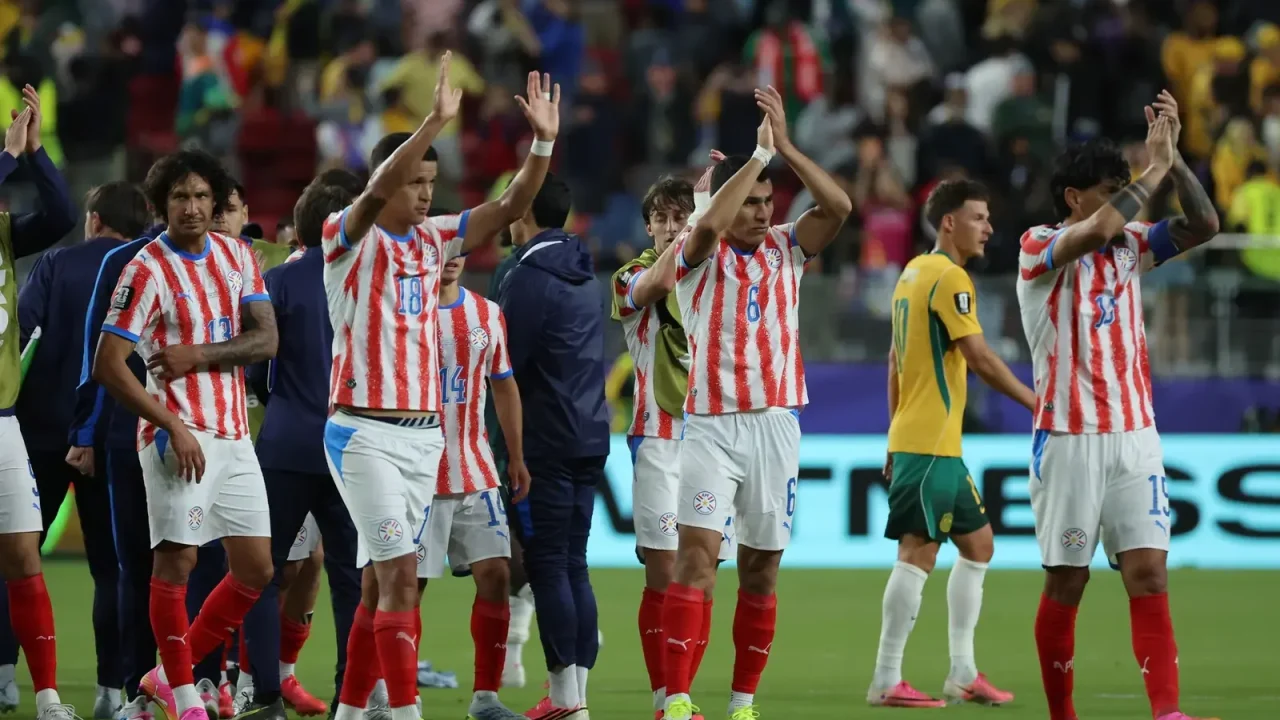
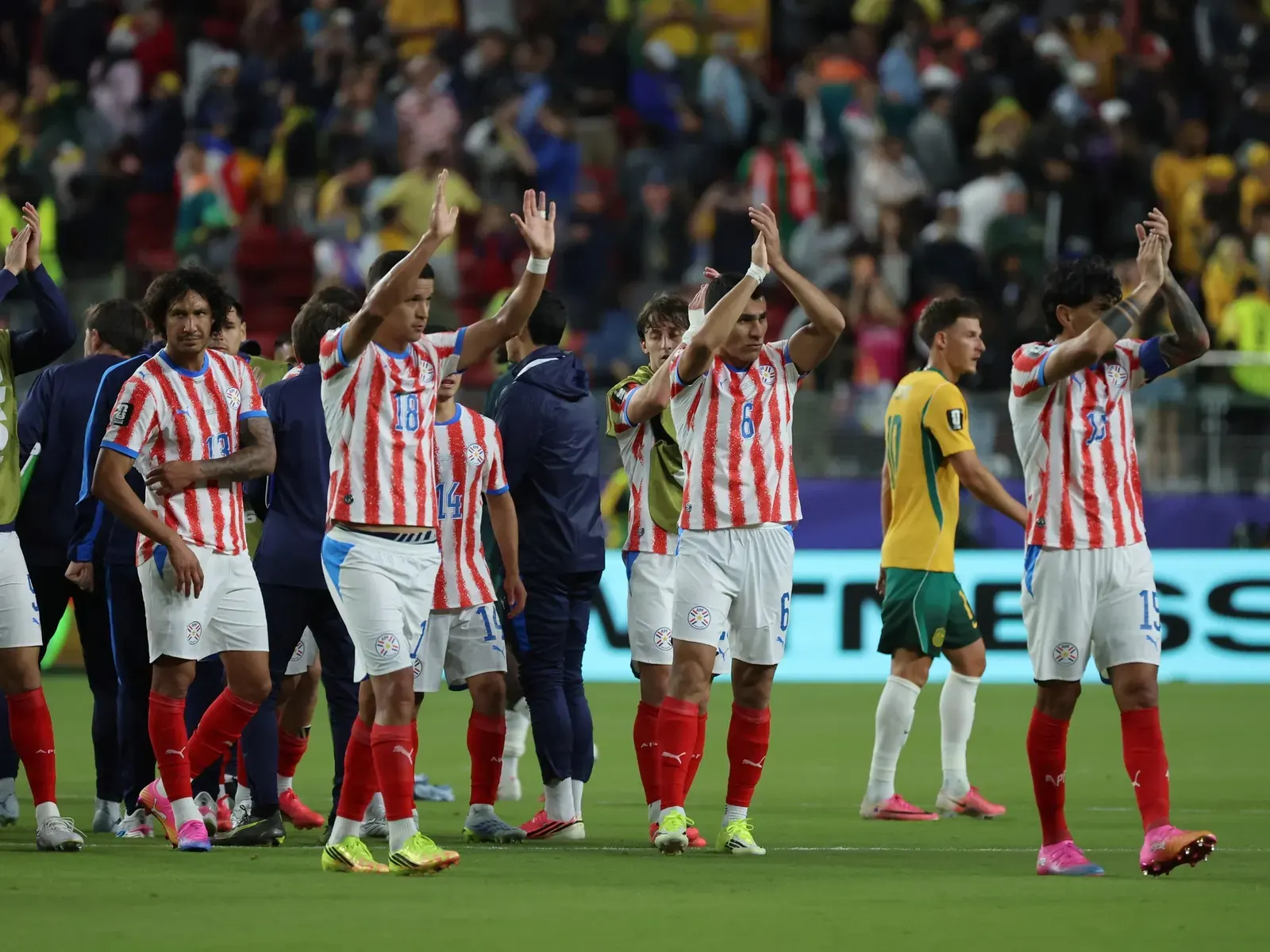
Based on the current tournament standings, the eight third-placed teams that would secure a spot in the Round of 16 are Sweden, Ecuador, Bosnia and Herzegovina, Paraguay, Senegal, Croatia, South Korea, and Algeria. However, this list is far from definitive, as several groups still have matches to be played. Teams like Scotland, Cape Verde, Belgium, and the Democratic Republic of Congo remain in contention, with their qualification hopes dependent on upcoming results.
The crucial nature of goal difference and goals scored cannot be overstated, as even a single-goal swing can be the difference between advancing to the next stage or facing early elimination.
FIFA’s Tie-Breaking Criteria Explained
To ensure fair comparison between third-placed teams from different groups, FIFA has established a clear order of five tie-breaking criteria:
Total Points: The primary factor is the total number of points accumulated in the group stage. Teams with more points will rank higher.
2. Goal Difference: If teams are level on points, the difference between goals scored and goals conceded across all group matches will be used.
3. Goals Scored: Should the goal difference remain tied, the total number of goals scored by each team throughout the group stage will be considered.
4. Fair Play: If a tie persists after the first three criteria, FIFA will assess the teams’ disciplinary records. This involves evaluating yellow and red cards received by each squad during the tournament.
5. FIFA Ranking: As a final measure, if teams are still inseparable, the ranking of the teams in the most recently published FIFA/Coca-Cola World Ranking prior to the tournament will determine the order.
Determining Knockout Stage Matchups
The process for determining the knockout stage pairings for these third-placed teams is intricate. Initially, the eight best third-placed teams are ranked based on the aforementioned criteria. The groups from which these teams originate are then noted. For instance, if the qualifying third-placed teams come from groups F, E, B, D, I, L, A, and J, this sequence is represented as FEBDILAJ.
This sequence of group letters is then alphabetized to ABDEFIJL. This alphabetized sequence is then used in conjunction with a FIFA regulation table, which outlines 495 possible combinations, to determine which group winners will face each of these third-placed teams in the Round of 16.
However, as the group stage advances, the number of potential combinations significantly reduces. With many group matches already concluded, the initial 495 possibilities have narrowed down to just 32 remaining scenarios, simplifying the prediction of future matchups.
Key facts
| Criteria | Order of Application |
|---|---|
| Total Points | 1st |
| Goal Difference | 2nd |
| Goals Scored | 3rd |
| Fair Play Record | 4th |
| FIFA Ranking | 5th |
The introduction of this mechanism ensures that all teams, regardless of their group, are evaluated on a consistent basis. For fans and analysts, understanding these rules is key to following the tournament’s evolving narrative and predicting the exciting knockout stage matchups that await.
Source: Clarin Deportes – Mundial 2026: cuál es el criterio y cómo se ordenan los ocho “mejores terceros” en la llave de 16avos de final – https://www.clarin.com/deportes/mundial-2026-criterio-ordenan-mejores-terceros-llave-16avos-final_0_ULkOh0BsFh.html
Source
Clarin Deportes Original publication: 2026-06-26T22:57:25+00:00
Related news
Celtic’s Europa League struggles deepen as Benfica expose familiar flaws
A 4-1 defeat in Lisbon leaves Celtic with two losses from two Europa League group games. Martin O’Neill sees positives in the…
Read story
Borussia Dortmund Fall to Bodø/Glimt in Champions League Shock
Fredrik Sjøvold’s second-half strike gave the Norwegian side a 1-0 win over Niko Kovač’s Dortmund, who struggled to break down a disciplined…
Read story
Brajan Gruda Strike Gives RB Leipzig 1-0 Champions League Win Over PSV
Brajan Gruda scored in the 75th minute after Maarten Vandevoordt saved an Ivan Perisic penalty as RB Leipzig defeated PSV Eindhoven 1-0.
Read story
Real Betis vs Porto: Champions League Clash Preview and Prediction
Real Betis host Porto in a crucial Champions League league-phase match. Preview includes team news, possible lineups, and analysis of both sides'…
Read story