
World Cup 2026: FIFA Set to Revolutionize Fan Experience with Advanced Broadcast Technology
FIFA is preparing to introduce a suite of advanced broadcast technologies for the 2026 World Cup in the USA, Canada, and Mexico, including referee-mounted cameras, AI-driven player tracking, and enhanced digital content partnerships, aimed at delivering an unprecedented immersive experience for fans.
Preparations for the 2026 FIFA World Cup across the USA, Canada, and Mexico are set to usher in a new era of football broadcasting, with FIFA planning to deploy a range of cutting-edge technologies designed to deepen fan engagement. Innovations include referee-mounted cameras, advanced AI for player tracking and VAR, and strategic content partnerships, all aimed at an immersive viewing experience.
The upcoming tournament, expanded to 48 teams and 104 matches, is described by FIFA boss Gianni Infantino as the equivalent of “104 Super Bowls,” underscoring the ambition to captivate a global audience of up to 6 billion and specifically “break” the American market. The technological push reflects FIFA’s recognition of the competitive attention economy in sports entertainment.
New Camera Perspectives
Among the most anticipated innovations are “Referee View” cameras, trialled previously at the FIFA Club World Cup. These cameras, mounted on referees, will offer audiences an unprecedented perspective of the on-pitch action, showing exactly what the officials see. While body cameras are not entirely new to sports broadcasting, AI stabilization software will be used to ensure smooth, high-quality footage for the World Cup.
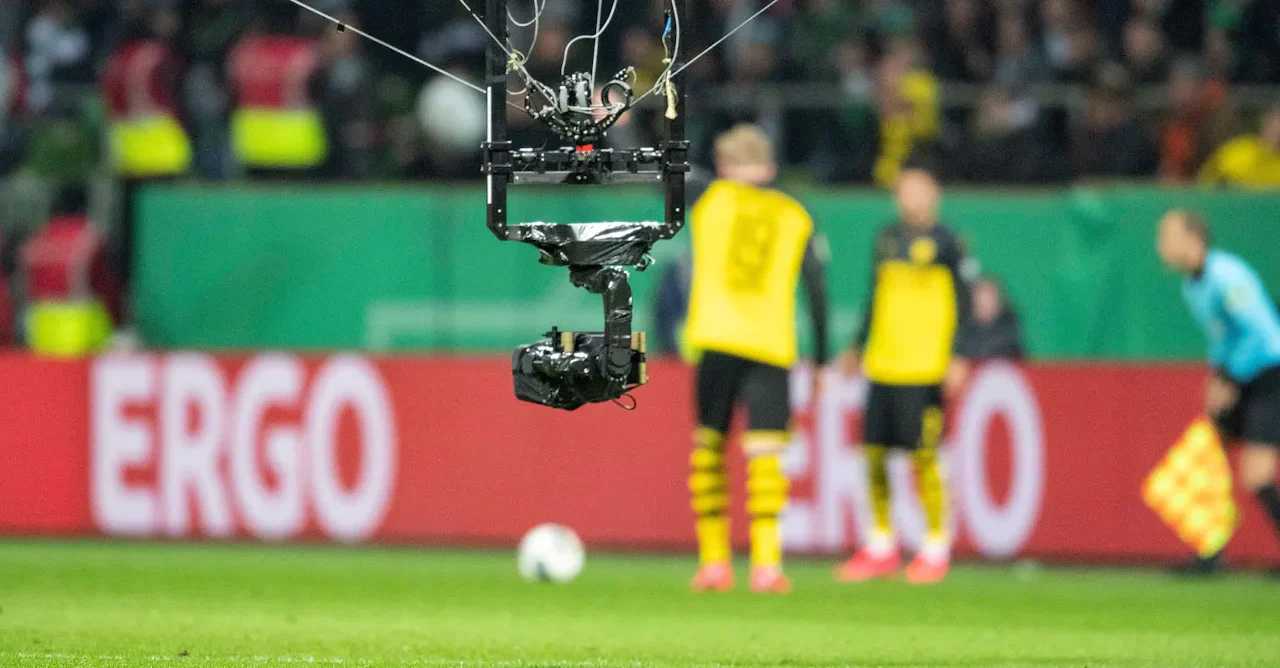
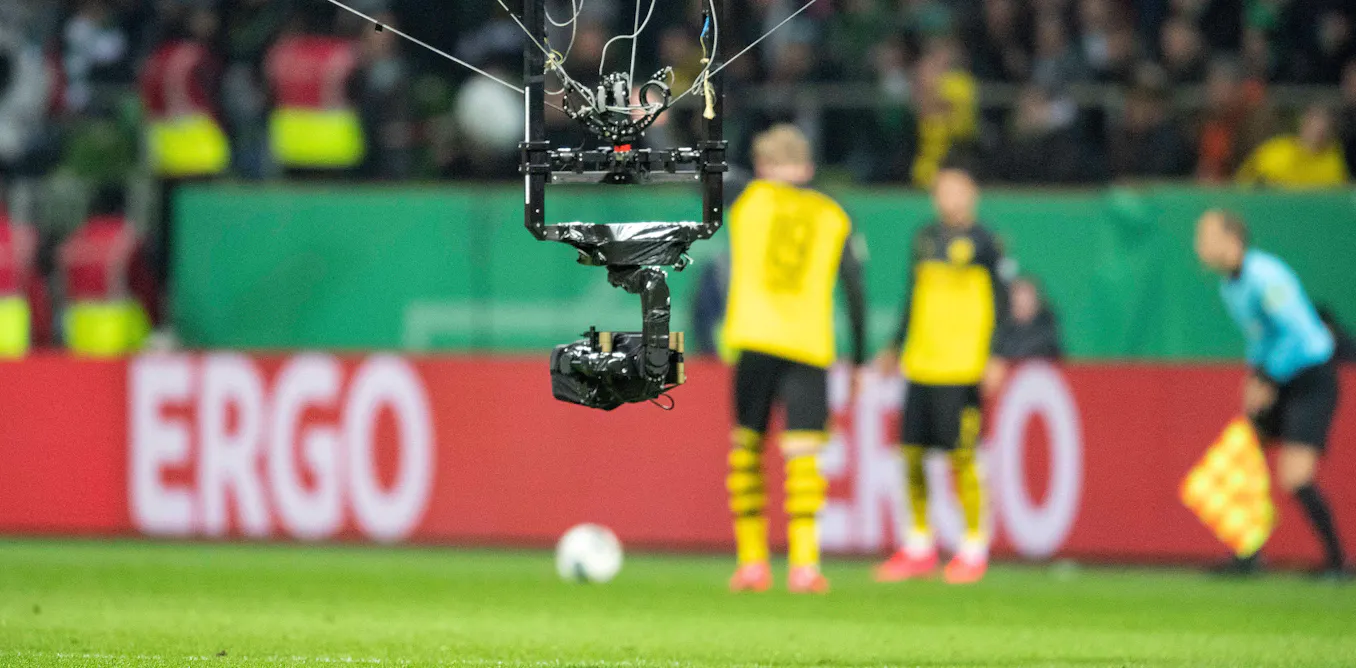
In addition to referee cameras, the tournament will feature 45-50 cameras per game, including pole cams, cable cams, and 360-degree cameras. Cable-suspended, gyro-stabilized spider cameras are also expected to be more prominent, swooping above the action, potentially even during penalty shootouts, to capture dramatic moments from unique angles.
AI Integration for Enhanced Decisions and Avatars
Artificial intelligence will play a critical role in both broadcasting and officiating. Players will undergo 3D body scans to create AI avatars, which will assist VAR decisions by providing precise player identification and tracking. This technology will enhance the semi-automated offside system, promising faster and more accurate decisions.
Beyond officiating, AI-enabled systems will contribute to “data-tainment,” seamlessly integrating advanced analytics with real-time graphics based on official optical tracking data. This aims to provide fans with “unparalleled insight and enjoyment” by combining statistical depth with dynamic visual presentation.
Digital Content and Fan Engagement
FIFA is also expanding its digital footprint through landmark partnerships with TikTok and YouTube, designating them as the first-ever “preferred platforms.” This agreement, trialled at the 2023 Women’s World Cup, will allow TikTok to live-stream parts of matches, offer behind-the-scenes content, and provide curated clips. YouTube’s deal permits broadcast partners to post highlights, live-stream entire games, and host archive matches from previous tournaments.
This strategy aims to cater to changing consumption habits, providing content across various platforms and formats. For those attending matches, stadium connectivity will be significantly upgraded, enabling spectators to receive real-time stats and view key decisions on big screens, bridging the gap between stadium and home viewing experiences.
Datos clave
| Característica | Detalle |
|---|---|
| Equipos | 48 |
| Partidos | 104 |
| Cámaras por partido | 45-50, incluyendo cámaras de árbitro y araña |
| Tecnología | IA para VAR y avatares 3D, estabilización AI |
| Plataformas digitales | TikTok y YouTube como plataformas preferidas |
The evolution of World Cup broadcasting reflects FIFA’s ambition to grow football’s appeal, particularly in the North American market. By incorporating these advanced technologies, FIFA intends to create a more immersive and interactive experience, ensuring that whether fans are in the stadium or watching from home, they remain deeply connected to the beautiful game. The challenge for FIFA will be balancing these innovations with the traditional appeal of football, ensuring new features enhance rather than disrupt the core viewing experience for global audiences.
Fuente: theconversation.com, “How World Cup filming has evolved since the last US tournament – from spider cameras to AI and drones” https://theconversation.com/how-world-cup-filming-has-evolved-since-the-last-us-tournament-from-spider-cameras-to-ai-and-drones-279827
Source
theconversation.com Original publication: 2026-05-11T09:28:28+00:00
Related news

Harry Kane equals Peter Shilton’s England caps record with two goals in Nations League win over Czechia
Harry Kane scored twice on the night he equalled Peter Shilton’s all-time England appearance record, leading the Three Lions to a 3-0…
Read story
Jesse Marsch says Canada “not afraid” as USMNT friendly intensifies rivalry
Canada coach Jesse Marsch has welcomed the pressure of facing the United States, stating his team is “not afraid” as the two…
Read story
Scotland vs Slovenia: Nations League Group B1 Clash at Hampden Park
Scotland and Slovenia meet at Hampden Park in a pivotal Nations League Group B1 encounter, with both sides level on four points…
Read story
Padres Turn to Robbie Ray for NLDS Game 1 Start as Walker Buehler Goes on Paternity List
San Diego Padres manager Craig Stammen named Robbie Ray the starter for Game 1 of the NL Division Series against Milwaukee after…
Read story