
World Cup 2026 Qualification: The Unique Pressures of CONMEBOL, UEFA, CAF, and AFC Pathways
Explore how the distinct qualification formats in CONMEBOL, UEFA, CAF, and AFC create varied pressure points for national teams vying for a spot in the FIFA World Cup 2026.
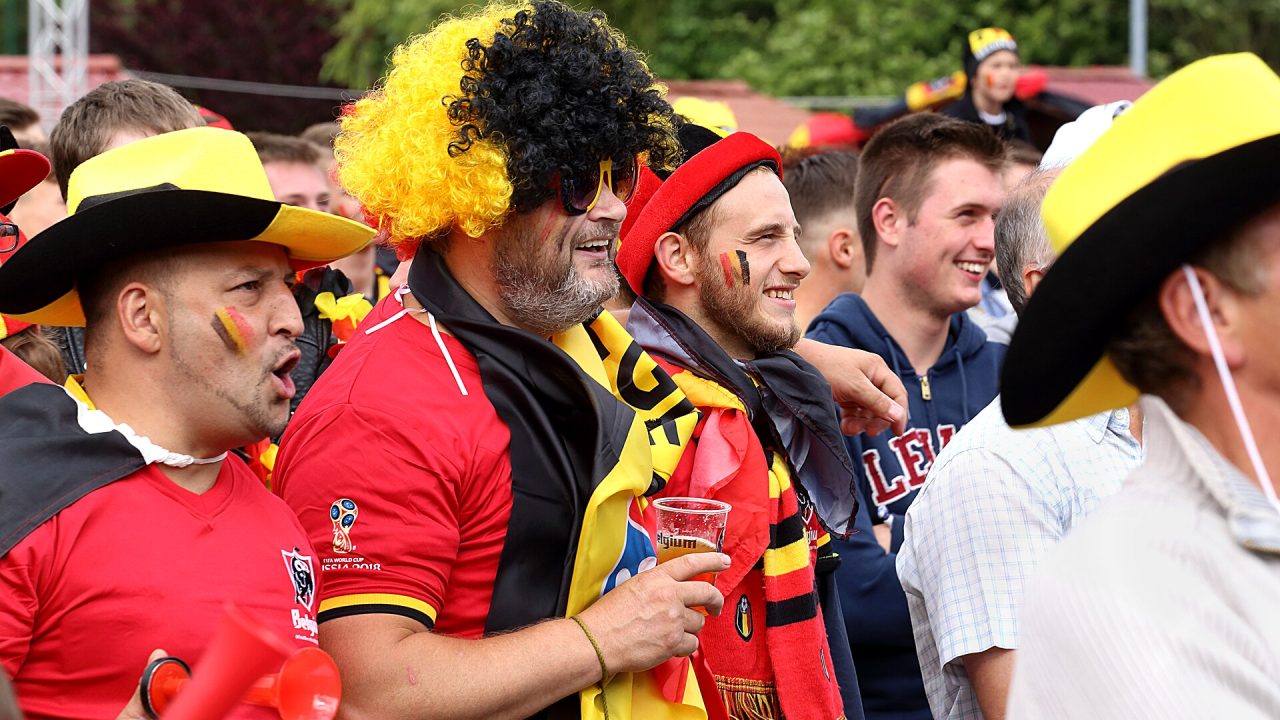

The FIFA World Cup is the pinnacle of international football, a quadrennial spectacle that unites nations. Getting there, however, is a journey fraught with tension, triumph, and often, heartbreak. For the 2026 edition, with an expanded 48-team format, the qualification pathways across the six FIFA confederations have been adjusted, intensifying the already distinct pressure points faced by teams in CONMEBOL (South America), UEFA (Europe), CAF (Africa), and AFC (Asia). While the ultimate goal is the same, the routes to North America are anything but uniform, creating vastly different competitive landscapes and psychological tolls on players, coaches, and federations.
Understanding these differences is crucial for appreciating the global tapestry of football. Each confederation’s structure reflects its geographic spread, the number of member associations, historical competitive balance, and logistical challenges. These factors combine to create a unique set of demands, from the grueling marathon of CONMEBOL to the high-stakes sprints of UEFA play-offs.
The Marathon of CONMEBOL: Relentless Pressure
South American qualification for the World Cup is often described as the toughest in the world, and for good reason. With only ten member nations, CONMEBOL traditionally employs a single, round-robin league format where every team plays every other team home and away. For World Cup 2026, with an increased allocation of 6 direct spots and 1 inter-confederation play-off spot, the format remains largely the same. This means 18 demanding matches spread over two years.
The pressure in CONMEBOL is relentless. There are no ‘easy’ games; every match, whether against a traditional powerhouse like Brazil or Argentina or a rapidly improving side like Ecuador or Colombia, is a battle for points. Teams must navigate high-altitude venues like La Paz, the humid conditions of the Amazon, and intensely partisan crowds across the continent. Travel distances are vast, adding to player fatigue. The long duration of the campaign means coaches face constant scrutiny, and a string of poor results can quickly derail a nation’s hopes, leading to immediate managerial changes. The proximity of rivals, often sharing borders and cultural ties, also adds an extra layer of fierce competition and national pride. The consistent performance required over such a long period, often with minimal squad rotation due to a smaller pool of elite players, makes CONMEBOL qualification a true test of endurance and mental fortitude.
UEFA’s Gauntlet: Depth, Group Dynamics, and Play-off Drama
Europe boasts the largest number of FIFA member associations and, consequently, the highest number of World Cup slots. For 2026, UEFA will have 16 direct qualification spots. The format typically involves teams being drawn into groups, playing home and away fixtures within their group. The winners of these groups qualify directly, while a number of runners-up (and potentially teams from the UEFA Nations League) proceed to a high-stakes play-off system.
The pressure points in UEFA are different from CONMEBOL. The initial group stage can sometimes feature significant mismatches, particularly for top-tier nations. However, even these “smaller” games carry weight, as dropped points against weaker opposition can be catastrophic when competing for top spot in a tight group. The real drama often unfolds in the play-offs. These are typically single-leg or two-leg knockout matches, often against equally strong opponents, where one mistake can end a campaign. The concentration of top-tier talent across Europe means that even traditionally strong nations can face a daunting path. Navigating group dynamics, managing key injuries, and peaking at the right time for the play-offs are critical. The sheer depth of talent in Europe means that many deserving teams will still miss out, creating immense pressure on coaches to deliver results in a highly competitive environment.
CAF’s Complex Journey: Logistics, Group Stages, and Political Dynamics
African qualification (CAF) for the World Cup is arguably the most complex and logistically challenging. With 9 direct spots and 1 inter-confederation play-off spot for 2026, the continent’s vastness, diverse climates, and varying levels of football infrastructure present unique hurdles. The typical format involves multiple preliminary rounds, followed by a series of group stages.
The pressure in CAF stems from several factors. Travel across Africa can be arduous, involving long flights, difficult connections, and varying ground conditions. Teams often play in extreme heat and humidity, which can be physically draining. The group stages are often tightly contested, with several strong nations vying for a single qualification spot from their group. This means that every match carries significant weight. Furthermore, political dynamics and administrative challenges within some national federations can add an external layer of pressure, sometimes affecting team preparation and morale. The lack of consistent high-level competitive structures compared to Europe or South America means that a single slip-up in a crucial group match can be difficult to recover from. The dream of representing Africa on the global stage is immense, and the intensity of the qualification journey reflects this deep desire.
AFC’s Evolving Landscape: Growing Competition and Multi-Stage Knockouts
Asian qualification (AFC) for the World Cup has seen significant evolution and increased competitiveness in recent decades. With 8 direct spots and 1 inter-confederation play-off spot for 2026, the pathway is typically multi-staged, starting with preliminary rounds for lower-ranked teams, progressing to group stages, and culminating in final group stages or play-offs.
The pressure in AFC is characterized by the continent’s vast geographic spread and the emergence of new footballing powers. Teams must contend with significant travel across multiple time zones, from the Middle East to East Asia and Australia. The multi-stage format means that teams must maintain focus and performance over an extended period. The increasing investment in football across Asia has led to a rise in quality, meaning that what were once considered “easier” matches are now fiercely contested. Teams like Japan, South Korea, Saudi Arabia, and Australia face stiff competition from emerging nations, making the final stages of qualification incredibly tense. The psychological burden of navigating multiple knockout or mini-league stages, often with significant breaks between matches, requires meticulous planning and consistent performance from both players and coaching staff.
Comparative Pressure Points Table
| Confederation | Qualification Format (General) | Key Pressure Points | Number of Matches (Approx.) | Direct Slots (2026) |
|---|---|---|---|---|
| CONMEBOL | Single league, home & away | Relentless grind, high-altitude, travel, direct competition | 18 | 6 |
| UEFA | Group stages, play-offs | Group slip-ups, high-stakes knockout play-offs, depth of talent | 8-10 (group) + 2 (play-off) | 16 |
| CAF | Multi-stage groups, preliminary rounds | Logistics, travel, climate, single group winner, administrative issues | 6-10 (group) + preliminary | 9 |
| AFC | Multi-stage groups, final rounds | Long travel, emerging competition, multi-stage endurance | 10-18 (various stages) | 8 |
Why It Matters for Readers
Understanding these distinct qualification pathways and their inherent pressures offers football fans a deeper appreciation for the World Cup. It highlights the unique challenges faced by teams from different regions and explains why some results might be considered more significant or surprising. For instance, a draw for Argentina in Bolivia’s high altitude carries a different weight than a similar result for Germany against a lower-ranked European team at home.
For those following specific teams, knowing the format helps manage expectations and understand the strategic decisions made by coaches. It also sheds light on the emotional rollercoaster that fans endure, from the hope of the opening fixtures to the despair or ecstasy of the final qualification rounds. As the FIFA World Cup 2026 approaches, the narratives woven by these diverse and arduous qualification journeys will be as compelling as the tournament itself, showcasing the truly global nature of the beautiful game.
Related news
Jesse Marsch says Canada “not afraid” as USMNT friendly intensifies rivalry
Canada coach Jesse Marsch has welcomed the pressure of facing the United States, stating his team is “not afraid” as the two…
Read story
Scotland vs Slovenia: Nations League Group B1 Clash at Hampden Park
Scotland and Slovenia meet at Hampden Park in a pivotal Nations League Group B1 encounter, with both sides level on four points…
Read story
Padres Turn to Robbie Ray for NLDS Game 1 Start as Walker Buehler Goes on Paternity List
San Diego Padres manager Craig Stammen named Robbie Ray the starter for Game 1 of the NL Division Series against Milwaukee after…
Read story
Serie A Clubs Hit by Friendly Upsets as Juventus and Napoli Fall, Milan Draw
Juventus and Napoli suffered surprise defeats in midweek friendlies, while Milan were held by Padova. Frosinon e were the only Serie A…
Read story