
World Cup Final: Referee, Stats, and Omens Favor Spain Over Argentina
As Spain and Argentina prepare for a highly anticipated World Cup final, we delve into the statistical omens, refereeing appointments, and historical trends that might shape the outcome.
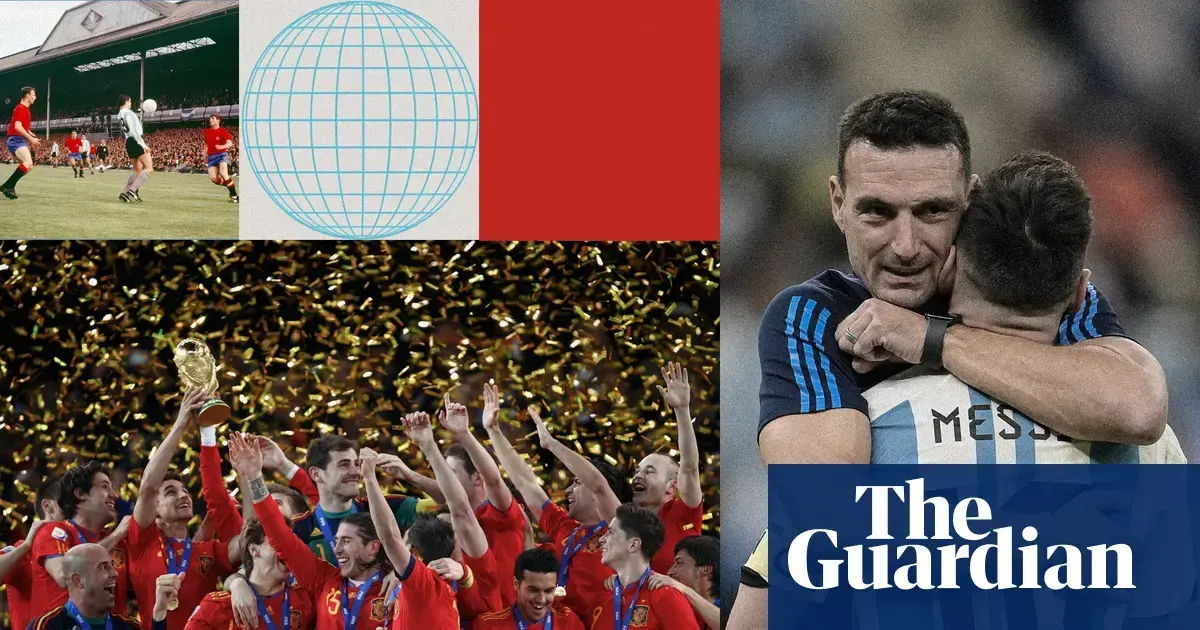
The stage is set for a monumental clash as Spain and Argentina, the top two teams in the Fifa rankings, prepare to battle for the World Cup trophy. Beyond the on-field tactics and player brilliance, a closer examination of officiating, historical data, and subtle omens might offer insights into who has the edge in this eagerly awaited final.
Referee Appointment: Slavko Vincic to Officiate
Slovenia’s Slavko Vincic has been appointed as the referee for the World Cup final, a historic first for a Slovenian official. Vincic brings considerable experience to the role, having overseen the 2024 Champions League final where Real Madrid defeated Borussia Dortmund, and Spain’s victory over France in the Euro 2024 semi-finals. His World Cup history includes Argentina’s opening match defeat to Saudi Arabia in 2022. This tournament, Vincic has maintained a relatively low disciplinary record, averaging 2.33 yellow cards per game. He notably issued a red card to Ecuador’s Piero Hincapié during a match against Mexico.
Key Statistics and Performance Metrics
Head-to-head statistics and recent form present a compelling picture. Argentina has been prolific in front of goal, scoring a tournament-high 19 goals, significantly more than Spain’s 14. However, Spain boasts the tightest defense, conceding only one goal throughout the competition, while Argentina has let in seven. This contrast highlights a potential tactical battle between offensive firepower and defensive solidity.
Historical Trends and Omens
Historical data from previous World Cup and European Championship finals suggests a potential advantage for the team that played its semi-final match earlier. In 13 of the last 14 finals, the winner was the team that had the extra rest day. Spain benefits from this trend, having had an additional day to recover compared to Argentina.
Presidential Presence and Superstition
A curious subplot surrounds the attendance of national leaders. No Argentinian president has attended a World Cup match in 36 years, a superstition dating back to 1990, with current President Javier Milei opting to watch from home. This perceived ‘bad luck’ associated with presidential attendance could play a role in the team’s psyche. In contrast, Spain’s Prime Minister Pedro Sánchez and King Felipe VI are expected to be present, potentially bringing a different kind of energy to the Spanish camp.
History Beckons for Both Nations
A victory for Argentina would see them become only the third nation to win back-to-back World Cups, a feat previously achieved by Italy and Brazil. For Spain, a triumph would mirror their own historic achievement of holding both the Euros and the World Cup concurrently, a feat they accomplished between 2008 and 2012. The current Spanish squad already holds the Euro title, adding another layer of historical significance to their potential win.
Managerial Prowess Without Top-Tier Club Experience
Both finalists are led by managers without extensive top-division club coaching experience. Spain’s Luis de la Fuente has a background in youth coaching, while Argentina’s Lionel Scaloni has primarily managed the national team. Their success in leading their teams to the final, despite this perceived lack of elite club experience, underscores their tactical acumen and ability to inspire their squads.
Physicality and Environmental Factors
Argentina’s path to the final has been more arduous, involving extra time in two matches, accumulating 794 minutes of play compared to Spain’s 717 minutes. This physical toll could be a factor in the final. Additionally, air quality in New Jersey, affected by wildfire smoke, has been a concern, although conditions have improved. Spain has played more of their matches in controlled environments, potentially offering them a slight advantage in terms of environmental exposure.
The World Cup Ring Tradition
Adding another layer of prestige, the winners will be presented with custom-designed World Cup rings, a tradition borrowed from American sports. These rings, featuring a mini World Cup trophy and personalized elements reflecting the winning team, will be a tangible symbol of their championship achievement.
Key facts
| Factor | Detail |
|—|—|
| Referee | Slavko Vincic (Slovenia) |
| Spain’s Goals Scored | 14 |
| Argentina’s Goals Scored | 19 |
| Spain’s Goals Conceded | 1 |
| Argentina’s Goals Conceded | 7 |
| Semi-final Rest Advantage | Spain |
This World Cup final presents a fascinating narrative, with statistical advantages, historical precedents, and unique omens all contributing to the pre-match intrigue. While Spain may appear to have several statistical and rest advantages, Argentina’s potent offense and historical pedigree cannot be underestimated. The outcome hinges on which team can best navigate these factors and deliver on the grandest stage.
Source: The Guardian Football – https://www.theguardian.com/football/2026/jul/19/spain-v-argentina-world-cup-final-referee-stats-omens
Datos clave
| Punto | Detalle |
|---|---|
| Fuente | The Guardian Football |
| Fecha | 2026-07-19T07:00:21+00:00 |
| Tema | Spain v Argentina in the World Cup final: the referee, the stats and the omens |
Source
The Guardian Football Original publication: 2026-07-19T07:00:21+00:00
Related news
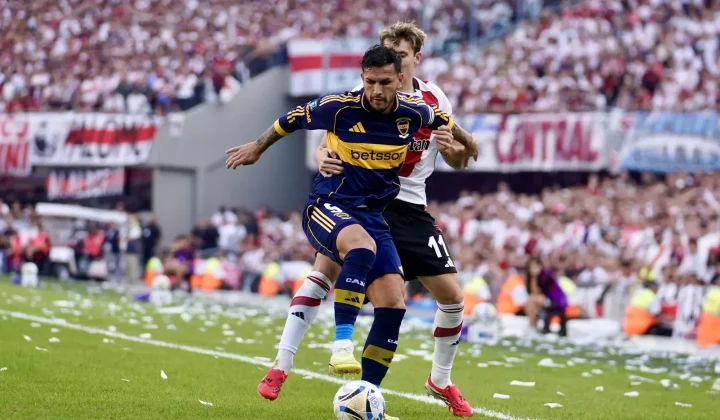
Boca vs River Superclásico Confirmed for November 1 at La Bombonera
The Argentine Professional League has set the date and time for the next Boca Juniors vs River Plate Superclásico, scheduled for Sunday,…
Read story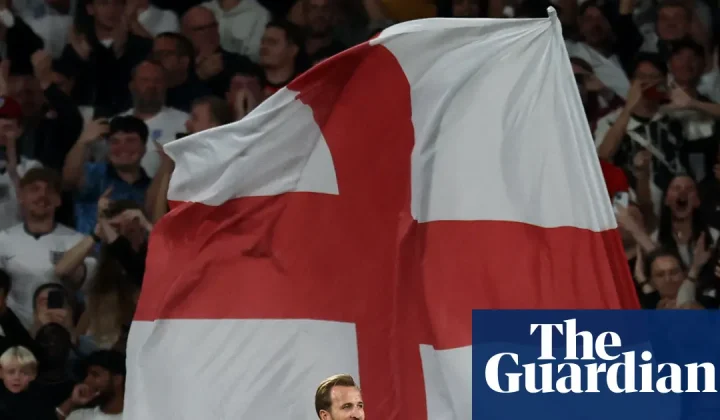
Harry Kane equals Peter Shilton’s England caps record with two goals in Nations League win over Czechia
Harry Kane scored twice on the night he equalled Peter Shilton’s all-time England appearance record, leading the Three Lions to a 3-0…
Read story
Jesse Marsch says Canada “not afraid” as USMNT friendly intensifies rivalry
Canada coach Jesse Marsch has welcomed the pressure of facing the United States, stating his team is “not afraid” as the two…
Read story
Scotland vs Slovenia: Nations League Group B1 Clash at Hampden Park
Scotland and Slovenia meet at Hampden Park in a pivotal Nations League Group B1 encounter, with both sides level on four points…
Read story