
Controversial Handball Call Decides River vs. Belgrano Final After VAR Intervention
A late penalty awarded to Belgrano against River Plate in their final match has ignited widespread debate, with the VAR review overturning the on-field decision and prompting a deep dive into handball interpretations.
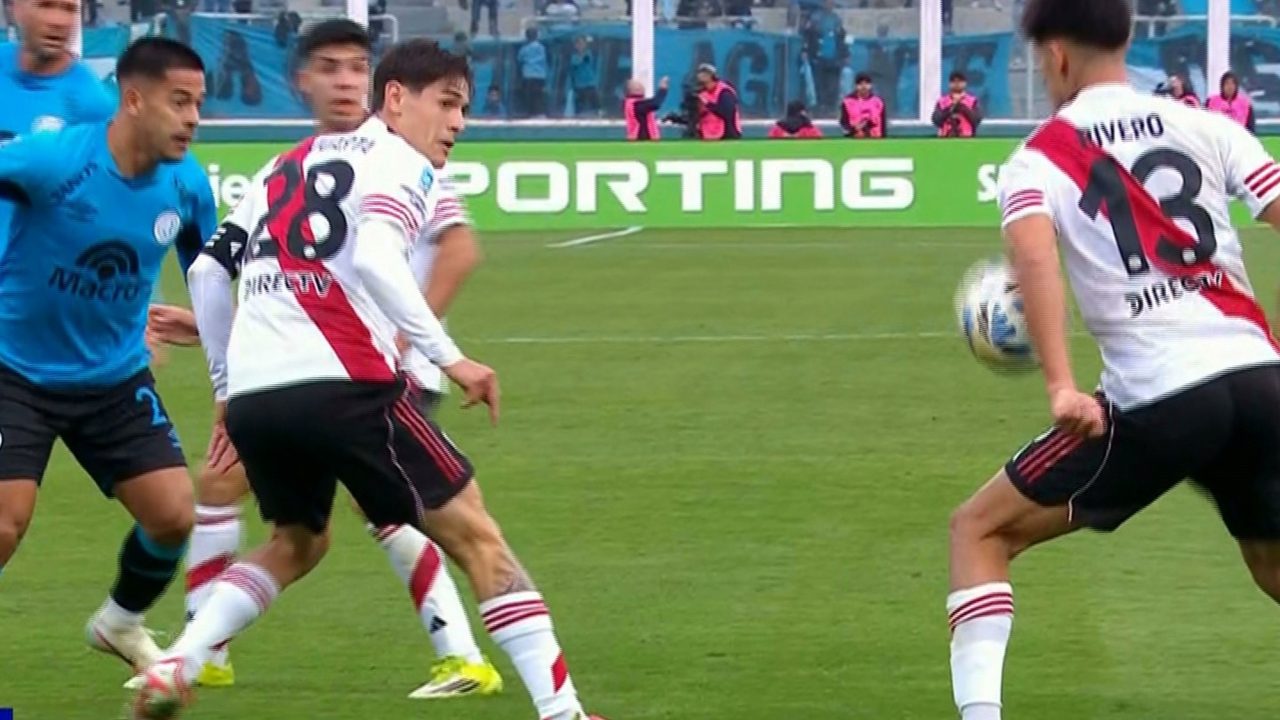
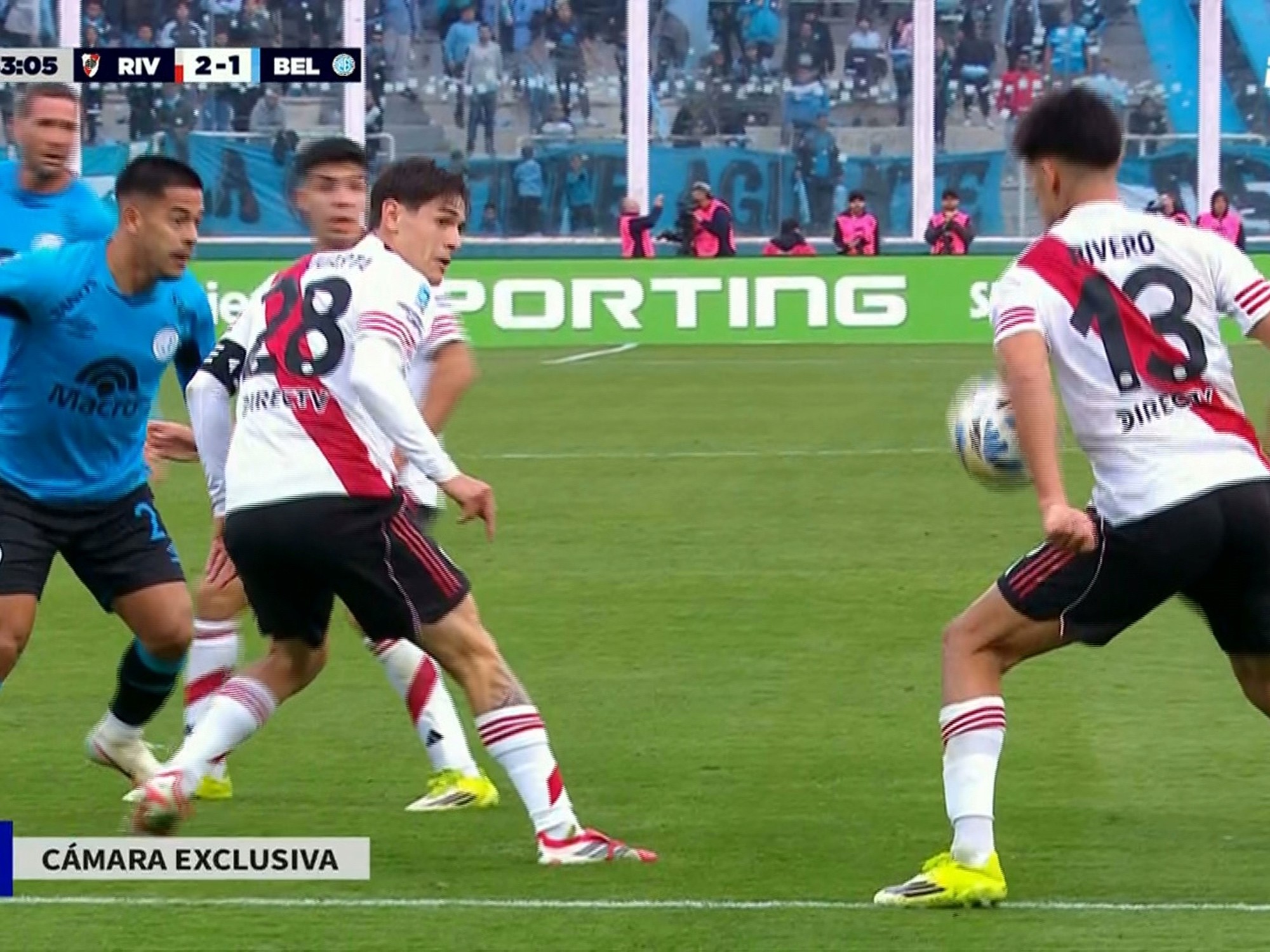
The dramatic final between River Plate and Belgrano was overshadowed by a highly contentious penalty decision awarded to Belgrano late in the match, which leveled the score at 2-2 and ignited significant debate. The incident, involving a handball call against River’s defender Rivero, was ultimately overturned after a VAR review, highlighting the complexities and subjective nature of handball interpretations in modern football.
The on-field decision by referee Yael Falcón Pérez was initially not to award a penalty. Falcón Pérez assessed Rivero’s arm position as natural and not an attempt to play the ball, gesturing that the hands were behind his back. However, the VAR room, with Leandro Rey Hilfer overseeing the review, intervened after approximately three minutes of deliberation, prompting a closer look at the pivotal moment.
VAR Review and Referee’s Explanation
Upon review, the VAR officials identified a movement by Rivero towards the ball. The footage shown to Falcón Pérez indicated that the defender adjusted his body, lowered his shoulder, and slightly opened his elbow as the ball approached. This perceived additional movement, even if instinctive, was deemed by the VAR to make the contact with the ball by his arm culpable. Falcón Pérez, after observing the replays on the monitor, changed his initial decision and awarded the penalty.
Explaining his decision via the stadium microphone, Falcón Pérez stated that he saw “a movement” and demonstrated it with his body. He described how Rivero, anticipating a pass, leaned his left shoulder towards the ball’s trajectory, lowered it, and opened his elbow. The ball struck his arm as he attempted to intercept the pass, and he then retracted his arm, an action interpreted as an admission or an attempt to distance himself from the contact.
The Impact of the VAR Intervention
While the VAR’s intervention ultimately led to the penalty being awarded, it also drew attention to Falcón Pérez’s initial assessment and the reliance on technology to alter on-field decisions. The original report from Ole notes that had Falcón Pérez not changed his call after the VAR review, the narrative might have been very different, especially considering his upcoming participation in the World Cup. The decision, though defended as correct after the review, underscores the fine margins and interpretations that can influence crucial moments in high-stakes matches. This incident serves as a stark reminder of how technology has altered the dynamics of refereeing.
Other Refereeing Decisions Under Scrutiny
Beyond the main penalty controversy, the match saw several other refereeing incidents that drew attention. The early yellow card issued to Aníbal Moreno in the second minute was deemed correct by observers. A potential penalty for Ocampo on Meza in the second half was not given, with the report suggesting the defender made contact with the ball before the bodies collided, and Meza himself did not appeal for a foul.
More controversially, the referee did not issue a second yellow card to Passerini for a reckless challenge on Martínez Quarta. Passerini, already on a yellow card, deliberately charged into Martínez Quarta without attempting to play the ball. The article suggests Falcón Pérez may have hesitated to send a player off in a final, particularly in the second half, opting for a less severe disciplinary measure. Overall, the referee’s disciplinary management was described as not overly severe, with only four yellow cards issued, in addition to a card shown off the pitch to Armani and a red card to Coudet for dissent, notably for shouting “Thief!” at the referee.
Significance for Readers
This incident is crucial for FootballGames10 readers as it delves into the interpretation of football’s laws, specifically handball, and the role of VAR in officiating. Understanding these nuanced decisions is vital for appreciating the tactical and technical aspects of the game, as well as the controversies that often accompany major fixtures. For fans of football, especially those interested in the technicalities of the sport, the debate surrounding this penalty highlights the evolving nature of refereeing and the impact of technology on match outcomes. The decision-making process, especially when VAR is involved, continues to be a significant talking point in the sport, influencing how matches are played and perceived.
Key Facts of the Incident
A clear breakdown of the events and individuals involved provides context for the controversy.
- Event: River Plate vs. Belgrano Final
- Key Incident: Penalty awarded to Belgrano for handball
- Referee: Yael Falcón Pérez
- VAR Official: Leandro Rey Hilfer
- Initial Decision: No penalty awarded
- VAR Review Outcome: Penalty awarded by Falcón Pérez
- Consequence: Penalty converted, leveling the score at 2-2
What remains unclear
While the VAR review provided a basis for the penalty decision, the exact interpretation of “unnatural movement” remains a subject of debate among fans and pundits. The precise threshold for what constitutes a deliberate or punishable handball, especially when physical contact is involved, continues to be a point of contention in football. Furthermore, the psychological impact on referees, particularly when making decisions that contradict their initial judgment under VAR’s guidance, is an area that continues to be explored.
Source: Ole – https://www.ole.com.ar/opinion/penal-rivero-mano-cobrable-belgrano-river-falcon-perez-var_0_7iVKzzNPll.html
Source
Ole Original publication: 2026-05-25T01:33:55+00:00
Related news
One Injured in Marble Hill Shooting; No Football Disruption Confirmed
A person was hospitalized after a shooting reportedly involving federal agents in New York’s Marble Hill neighborhood. The initial account identifies no…
Read story
Boca vs River Superclásico Confirmed for November 1 at La Bombonera
The Argentine Professional League has set the date and time for the next Boca Juniors vs River Plate Superclásico, scheduled for Sunday,…
Read story
Harry Kane equals Peter Shilton’s England caps record with two goals in Nations League win over Czechia
Harry Kane scored twice on the night he equalled Peter Shilton’s all-time England appearance record, leading the Three Lions to a 3-0…
Read story
Jesse Marsch says Canada “not afraid” as USMNT friendly intensifies rivalry
Canada coach Jesse Marsch has welcomed the pressure of facing the United States, stating his team is “not afraid” as the two…
Read story