
The Tactical Chess Match: Possession vs. Counter-Attack
Delve into the intricate tactical battle when a possession-based team confronts a direct, counter-attacking opponent. This article explores the strategies, risks, and rewards for both sides in one of football's most compelling matchups.
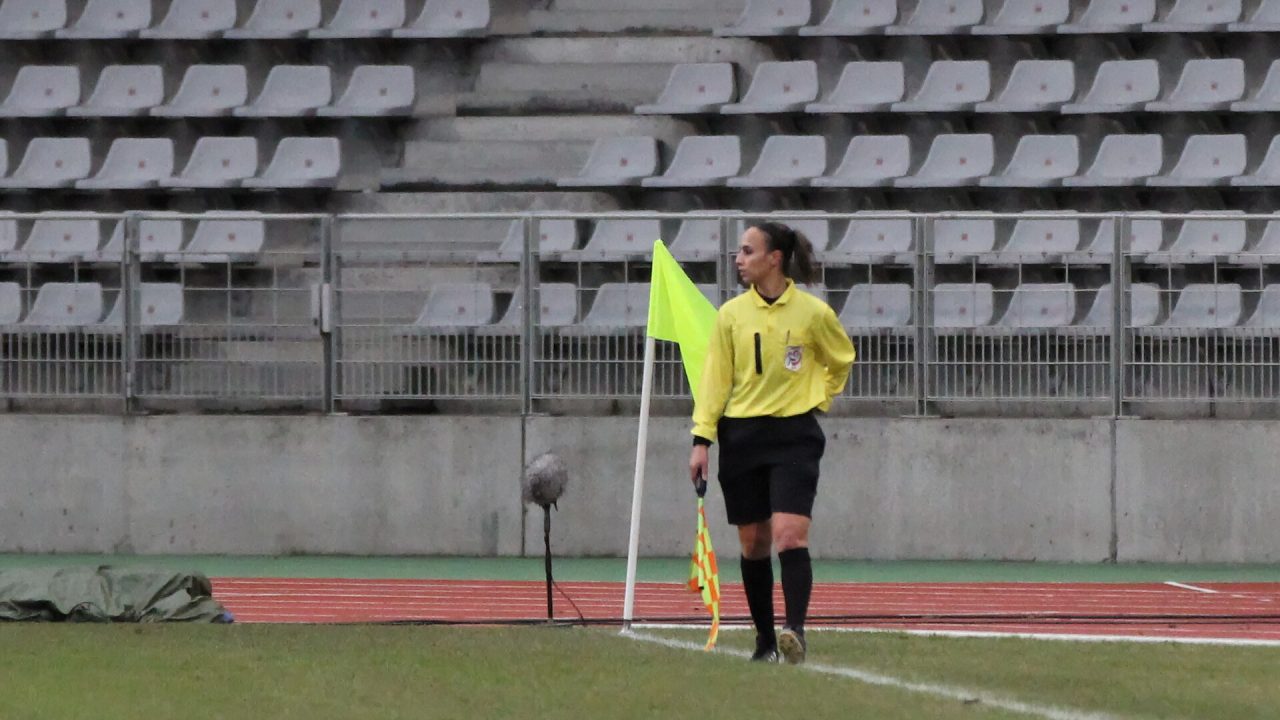
The beautiful game of football is often described as a tactical chess match, and few scenarios illustrate this better than the clash between a possession-dominant team and a disciplined, direct counter-attacking opponent. This fundamental dichotomy in playing styles creates a fascinating contest, demanding distinct strategies, precise execution, and often, moments of individual brilliance. Understanding these tactical considerations is key to appreciating the ebb and flow of such matches.
The Philosophy of Possession Football
Possession-based football, often associated with giants like Pep Guardiola’s Barcelona or Manchester City, prioritizes control of the ball. The philosophy dictates that by keeping the ball, a team dictates the tempo, frustrates the opponent, and creates openings through intricate passing patterns and movement. The objective is to wear down the opposition, drawing them out of position before exploiting the created spaces.
Key characteristics of possession teams include:
- High Pass Completion: Emphasis on short, incisive passes to maintain control.
- Structured Build-Up: Starting attacks from the back, often involving the goalkeeper.
- Positional Play (Juego de Posición): Players occupy specific zones to create passing triangles and rhombuses, ensuring multiple passing options.
- Counter-Pressing (Gegenpressing): Immediate pressure on the opponent if possession is lost in advanced areas, aiming to win the ball back quickly before the opponent can initiate a dangerous attack.
- Patience: Waiting for the opportune moment to penetrate the defensive lines, often involving numerous passes.
The strengths of a possession team lie in their ability to control the game, reduce the opponent’s attacking opportunities by denying them the ball, and create sustained pressure. However, they can be vulnerable to transitions and rapid counter-attacks if their intricate passing is intercepted or if they commit too many players forward.
The Art of the Counter-Attack
In stark contrast, counter-attacking football embraces a more reactive approach. Teams employing this strategy often cede possession, sitting deep in a compact defensive shape, and then explode into attack once they win the ball. The aim is to exploit the space left behind by an opponent committed to attack, using speed, direct passing, and clinical finishing.
Hallmarks of effective counter-attacking teams include:
- Defensive Solidity: A well-organized, often low-block defense designed to deny space and frustrate the opponent.
- Quick Transitions: The ability to switch rapidly from defense to attack the moment possession is regained.
- Direct Play: Long passes, through balls, and runs into space to bypass midfield congestion.
- Pace and Clinical Finishing: Forwards and wingers with blistering speed and strikers who can convert limited chances.
- Exploiting Space: Targeting the channels between defenders or the space behind an advanced defensive line.
Counter-attacking sides thrive on their opponents’ mistakes and impatience. They can be incredibly frustrating to play against, absorbing pressure for long periods before delivering a devastating blow. The challenge, however, is maintaining defensive focus for 90 minutes and maximizing the few chances that arise.
The Tactical Battle: What to Watch For
When these two styles collide, the tactical battle becomes paramount. Here’s what discerning viewers should focus on:
Possession Team’s Offensive Strategy
The possession team will attempt to break down the compact defense. Look for:
- Full-back Overlaps/Underlaps: To create numerical advantages out wide and deliver crosses.
- Movement Between Lines: Attacking midfielders and forwards dropping deep or moving into the half-spaces to receive the ball between the opponent’s defensive and midfield lines.
- Rotations and Positional Swaps: Players interchanging positions to disorganize the defense and create confusion.
- Central Overload: Drawing defenders centrally to create space on the flanks, or vice-versa.
- Set Pieces: These become crucial as they offer a structured way to get players into dangerous areas against a deep block.
Counter-Attacking Team’s Defensive and Offensive Strategy
The counter-attacking side’s primary goal is to remain defensively sound and then unleash their speed. Key elements to observe:
- Defensive Shape and Discipline: How well they maintain their lines, cover passing lanes, and restrict space in central areas. Are they playing a low block, or do they attempt to press occasionally?
- Triggering the Press: When and where do they decide to engage the ball carrier? Is it in their own half, or do they try to force mistakes higher up the pitch?
- The First Pass After Winning Possession: This is the most crucial pass. Is it a long, direct ball to a sprinting forward, or a shorter, safer pass to a midfielder who can then launch the attack?
- Runs in Behind: The movement of forwards and wingers immediately after the ball is won, looking to exploit the space left by advanced full-backs or center-backs.
- Numerical Advantage in Transition: Can they quickly get 3-4 players forward to overwhelm the retreating defenders?
Key Player Matchups and Roles
Certain player roles become magnified in these encounters:
| Role | Possession Team Importance | Counter-Attack Team Importance |
|---|---|---|
| Defensive Midfielder | Dictates tempo, breaks lines with passes, shields defense. | Shields defense, wins ball, initiates quick transitions. |
| Center-Backs | Build-up play, comfortable on ball, high defensive line awareness. | Strong in duels, quick recovery, organized defensive shape. |
| Wingers/Forwards | Movement to create space, intricate passing, clinical finishing. | Explosive pace, direct runs, clinical finishing from few chances. |
| Full-backs | Provide width in attack, recover quickly against counters. | Defensive solidity, provide outlet for long balls. |
The Importance of Transitions
The moments immediately after possession changes hands – known as transitions – are often where these games are decided.
- Attacking Transition (Counter-Attack): How quickly and effectively the defensive team can turn defense into attack. The speed of thought and execution is vital.
- Defensive Transition (Counter-Press): How quickly the possession team reacts to losing the ball, applying immediate pressure to prevent a counter-attack or delaying it sufficiently for defenders to recover. This “rest defence” structure is crucial.
Actionable Reader Takeaways
When watching a match featuring these contrasting styles, pay attention to:
The First 15 Minutes: How each team attempts to stamp their authority on the game. Does the possession team dominate early, or does the counter-attacking side land an early blow?
2. Midfield Battles: Which team controls the central areas? Can the possession team consistently find avenues through the middle, or is the counter-attacking side stifling them effectively?
3. Defensive Discipline: How well does the counter-attacking team maintain its shape under sustained pressure? Are there gaps appearing as the game progresses?
4. Full-back Engagement: How high do the possession team’s full-backs push? This often indicates the risk they are willing to take and the space available for the opposition’s wingers.
5. Set Pieces: These can be game-changers, especially for the counter-attacking side who might struggle to create open-play chances.
6. Substitutions: How do managers react to the tactical battle? Do they bring on more creative players to unlock a defense, or faster players to exploit tired legs on the counter?
Ultimately, the clash between possession and counter-attack is a testament to football’s tactical depth. It’s a game of patience versus explosiveness, control versus chaos, and often, the team that executes its plan with greater precision and fewer errors will emerge victorious. Understanding these underlying tactical principles will undoubtedly enhance your appreciation of the beautiful game.
Related news

Lille Targets Dutch Talent Önal and Zechiël Amid Transfer Activity
French club Lille LOSC is reportedly making moves in the Dutch football market, with agreements in principle for Basar Önal and bids…
Read story
Edoardo Olivieri Joins Monopoli on Loan from Modena
Monopoli has announced the signing of Edoardo Olivieri from Modena on a temporary deal. The young defender brings experience from Serie C.
Read story
Fiorentina Secures Promising Brazilian Defender Viery Fernandes Santos Lopes
Fiorentina has made their first summer signing, bringing in highly-rated young Brazilian defender Viery Fernandes Santos Lopes from Gremio. The transfer signals…
Read story
Liam Rosenior Appointed New Paris FC Head Coach
The English coach has signed a contract until June 2028, taking over from Antoine Kombouaré.
Read story