
Navigating the World Cup Qualifying Lull: What Supporters Should Track Between Windows
Don't let the quiet periods between World Cup qualifying windows catch you off guard. Discover what dedicated fans should be tracking to stay ahead of the game, from player form to tactical shifts and emerging talent.
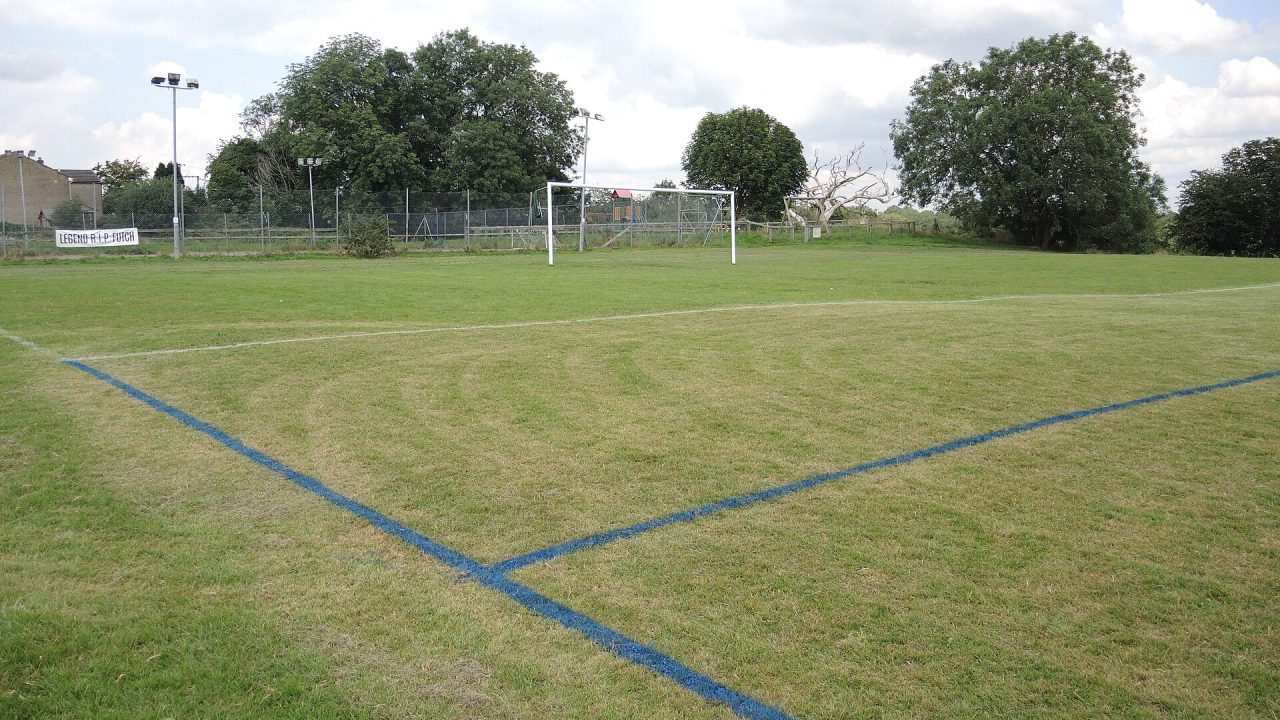
The roar of the crowd, the tension of a crucial tackle, the ecstasy of a last-minute winner – World Cup qualifying fixtures deliver some of football’s most compelling drama. Yet, these intense periods are often followed by weeks, sometimes months, of relative quiet on the international stage. For dedicated supporters, this “lull” isn’t a time to switch off entirely. Instead, it’s a crucial window to track developments that will inevitably shape their nation’s World Cup dreams.
Understanding what to monitor during these inter-qualifying periods can provide a significant edge, offering deeper insights into team prospects, potential challenges, and the emergence of new heroes. This guide will walk you through the key areas every keen World Cup qualifying follower should be scrutinizing.
Player Performance and Fitness in Club Football
The most immediate and impactful factor to track is the performance and fitness of players at their respective clubs. National team managers rely heavily on their core squad members performing consistently at a high level.
- Form Fluctuations: A star striker who was prolific in the last international window might hit a dry spell at their club. Conversely, a fringe player could suddenly find their scoring boots or become indispensable for their team. Tracking these trends provides clues about who might be in form for the next call-up.
- Injury Updates: Injuries are an unfortunate but integral part of football. A long-term injury to a key defender or midfielder can derail a national team’s plans. Following official club statements, medical reports, and reputable sports news outlets for injury updates is paramount. The absence of a crucial player can force tactical rethinks and open doors for others.
- Playing Time: A player might be fit but warming the bench for their club. Lack of regular playing time can affect match sharpness and confidence, something national team coaches closely monitor. Conversely, a player who wasn’t a regular starter might break into their club’s first XI, making a strong case for national team inclusion.
- Positional Changes: Sometimes, a player might be deployed in a different role at their club than they are for the national team. Observing how they adapt to these new positions can reveal versatility or potential weaknesses.
Tactical Developments and Managerial Statements
While national teams have limited time together, club football often serves as a laboratory for tactical ideas.
- Club Influence: Many national team managers draw inspiration from successful club formations or tactical approaches. While direct replication is rare, understanding prevailing tactical trends in top leagues can offer context.
- Manager Interviews: National team coaches often give interviews during these breaks, offering insights into their thought process, potential squad changes, or even tactical adjustments they are considering. Paying attention to these statements, especially from official federation channels or credible sports journalists, can be very revealing.
- Youth Team Progress: For nations with strong youth development programs, tracking the progress of U-21 or U-19 teams can highlight future senior team prospects. These players are often on the radar of national team scouts.
Squad Dynamics and Emerging Talent
The World Cup qualifying journey is long, and squads rarely remain static.
- New Faces: Keep an eye on players making headlines in domestic leagues or less prominent international competitions. A breakout season for a young talent could put them in contention for a senior call-up.
- Fringe Players Stepping Up: Injuries or dips in form for established players can create opportunities for those on the periphery of the squad. How these players perform for their clubs will heavily influence their chances.
- Retirements/Absences: Occasionally, experienced players might announce international retirement, or personal circumstances might lead to their temporary absence. This creates a void that needs to be filled, often by younger players.
Opponent Analysis
It’s not just about your nation; understanding the competition is equally vital.
- Opponent’s Key Players: Track the form and fitness of star players from upcoming opponents. An injury to their talisman or a sudden dip in form could significantly alter the dynamic of a crucial fixture.
- Opponent’s Club Form: Just like your own team, the club form of players from rival nations can provide indicators of their collective strength and weaknesses.
- Managerial Changes: A change in management for an opposing nation can lead to a complete tactical overhaul, requiring a fresh approach to preparation.
Key Events and Dates to Monitor
Several official events and administrative dates dot the calendar between qualifying windows.
- Draws for Other Competitions: While not directly World Cup qualifiers, draws for continental tournaments (e.g., Africa Cup of Nations, Copa América, Euro qualifiers) can impact player availability or scheduling.
- FIFA Ranking Updates: While not the sole determinant, FIFA rankings influence pot allocations for draws and can be a source of national pride or concern.
- Transfer Window Activity: Major transfers involving national team players can sometimes affect their form, playing time, or even their environment.
- Friendly Matches: Some nations arrange friendly matches during non-qualifying international breaks. These offer valuable opportunities for coaches to experiment with tactics, test new players, and build team cohesion.
- Official Federation Announcements: Keep an eye on the official websites and social media channels of your national football federation and FIFA for any critical announcements regarding fixtures, squad selections, or rule changes.
Here’s a quick checklist of what to track:
| Category | What to Look For | Where to Find Information |
|---|---|---|
| Player Performance | Goals, assists, clean sheets, individual ratings, playing time | Club websites, reputable sports news, football statistics sites |
| Player Fitness | Injury reports, return-to-play timelines, training updates | Official club statements, medical news, trusted sports journalists |
| Tactical Insights | Manager interviews, club tactical trends, formation changes | Federation websites, sports analysis sites, coaching articles |
| Emerging Talent | Youth team call-ups, breakout club performances | Youth league reports, club academy news, national U-teams coverage |
| Opponent Status | Player form, injuries, managerial changes for rival nations | Opponent federation sites, international sports news |
The “lull” between World Cup qualifying windows is far from dormant. It’s a period rich with information for those willing to seek it out. By diligently tracking player form, fitness, tactical shifts, and opponent dynamics, supporters can transform passive waiting into an active, insightful engagement with their nation’s journey to the biggest stage in football. Staying informed not only deepens your appreciation for the game but also prepares you for the next wave of international drama.
So, don’t just wait for the next international break. Dive into the club football action, follow the news, and keep a keen eye on the evolving landscape of World Cup qualifying. Your team’s destiny is being shaped, one club match, one press conference, and one promising talent at a time.
Related news
Jesse Marsch says Canada “not afraid” as USMNT friendly intensifies rivalry
Canada coach Jesse Marsch has welcomed the pressure of facing the United States, stating his team is “not afraid” as the two…
Read story
Scotland vs Slovenia: Nations League Group B1 Clash at Hampden Park
Scotland and Slovenia meet at Hampden Park in a pivotal Nations League Group B1 encounter, with both sides level on four points…
Read story
Padres Turn to Robbie Ray for NLDS Game 1 Start as Walker Buehler Goes on Paternity List
San Diego Padres manager Craig Stammen named Robbie Ray the starter for Game 1 of the NL Division Series against Milwaukee after…
Read story
Serie A Clubs Hit by Friendly Upsets as Juventus and Napoli Fall, Milan Draw
Juventus and Napoli suffered surprise defeats in midweek friendlies, while Milan were held by Padova. Frosinon e were the only Serie A…
Read story