
Lili Elbe: A Pioneer in Gender Identity and a Life Defined by Art and Adversity
The story of Lili Elbe, one of the first individuals to undergo sex reassignment surgery in the early 20th century, is a testament to the enduring pursuit of self-identity against societal norms, deeply intertwined with art and love.
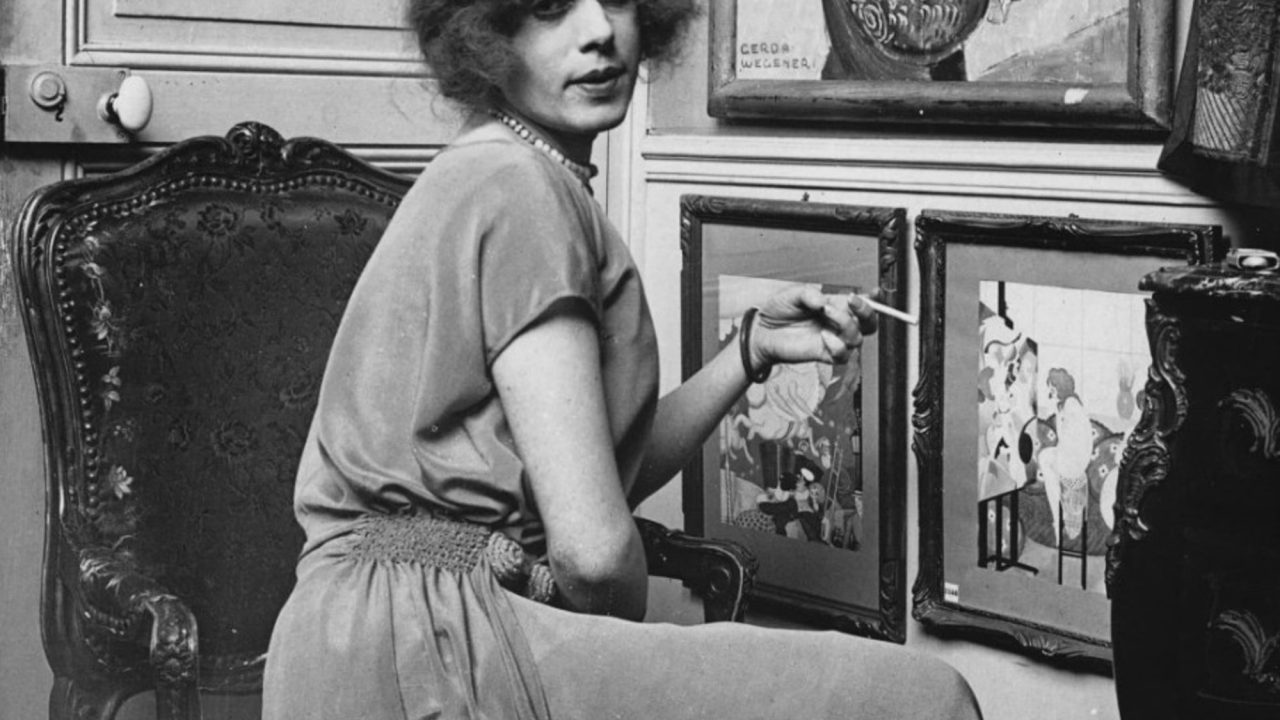
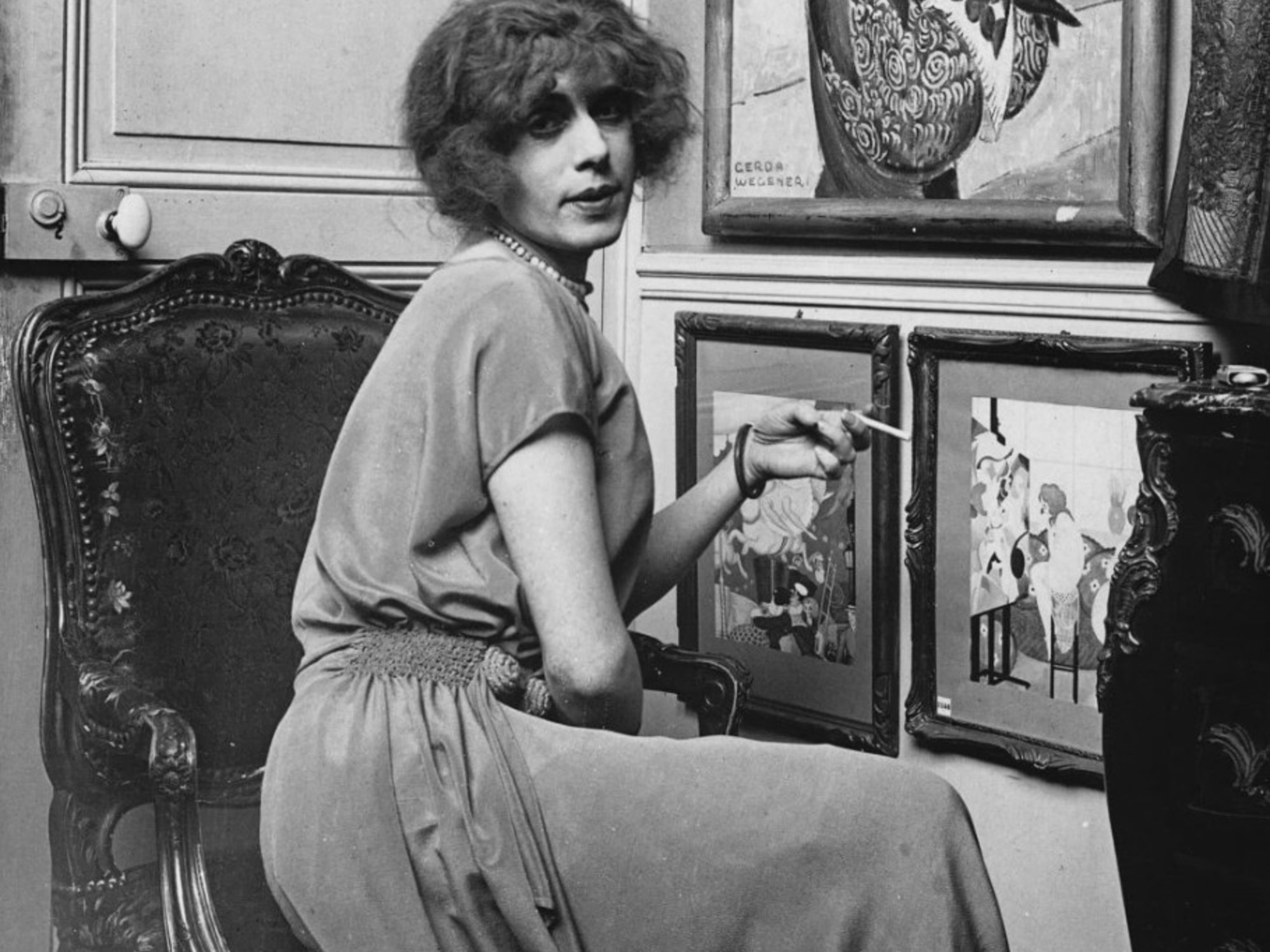
A remarkable life that challenged the conventions of its time, Lili Elbe stands as a significant figure in the history of gender identity. Her journey, immortalized in film and literature, chronicles a profound personal quest for authenticity, marked by artistic passion, a deep love, and considerable societal obstacles.
The film “The Danish Girl” (2015), inspired by David Ebershoff’s novel, brought Elbe’s story to a global audience. The narrative centers on the love story between Elbe and her wife, Gerda Wegener, a celebrated painter whose art was profoundly influenced by Elbe’s unfolding identity.
Early Transition and Societal Understanding
Born Einar Wegener in 1882, Lili Elbe was a landscape painter from Denmark. The concept of gender identity as understood today was not part of the societal lexicon in the early 20th century. Individuals experiencing a disconnect between their assigned sex and their gender identity often faced misunderstanding and medical pathologization. Terms like “hysterical” and “perverted” were unfortunately used by some medical professionals to describe experiences that lacked a framework for understanding.
A Pivotal Moment
Einar Wegener married fellow artist Gerda Gottlieb in 1904. A chance event at their Copenhagen apartment – a model failing to appear for a sitting – led Gerda to ask Einar to pose in women’s clothing. This experience proved transformative for Einar, sparking a profound inner realization. In his diary, he noted a sense of comfort and rightness from the very first moment he donned feminine attire. This marked the emergence of Lili.
Artistic Collaboration and Parisian Life
Lili became a significant source of creative inspiration for Gerda. The couple relocated to Paris in 1912, a city that offered a more liberal atmosphere. Gerda’s artistic career flourished, with works like “The Fatal Women” series gaining recognition for their exploration of themes, including lesbian eroticism. Lili was central to this artistic output, and Gerda remained her steadfast companion.
Pioneering Medical Procedures
In 1930, Lili and Gerda separated, having navigated the initial stages of Lili’s transition and achieved official recognition of Lili’s identity. It was in Germany, around 1930, that Lili Elbe became one of the first individuals to undergo sex reassignment surgery. This groundbreaking medical path was undertaken with the guidance of Dr. Magnus Hirschfeld, a sexologist and advocate for sexual diversity rights. Hirschfeld, who coined the term “transsexualism” in the 1920s, recognized Elbe’s determination in forging a path through uncharted territory.
The surgeries began when Lili was nearly 50 years old. The initial procedure was an orchiectomy, followed by four further complex operations. The surname “Elbe” was chosen, reflecting the Elbe River that flows through Dresden, Germany, where some of these surgeries took place under the care of Dr. Kurt Warnekros.
A Life Lived Authentically
Despite the experimental nature of the surgeries and the lack of modern medical advancements like penicillin or advanced analgesics at the time, Lili Elbe found profound liberation. She wrote to a friend before her death, expressing that the 14 months she lived as Lili felt like a complete and happy human life. Her ultimate goal was to experience motherhood, leading to a final operation for uterine transplantation. Tragically, this procedure resulted in an infection, and Lili Elbe passed away in Dresden in 1931.
Her life, though tragically cut short, serves as a powerful narrative of courage, self-discovery, and the enduring human drive to live authentically, paving the way for future generations in the pursuit of gender affirmation.
Datos clave
Lili Elbe’s birth name: Einar Wegener
Year of first surgery: Circa 1930
Place of surgeries: Germany (Berlin, Dresden)
Artist wife: Gerda Wegener
Source: Clarin Deportes
Fuente: Clarin Deportes, https://www.clarin.com/internacional/chica-danesa-hizo-historia-lili-elbe-precursora-lucha-identidad-genero_0_UPTGahpc1q.html
Datos clave
| Punto | Detalle |
|---|---|
| Fuente | Clarin Deportes |
| Fecha | 2026-05-31T03:04:13+00:00 |
| Tema | La chica danesa que hizo historia: Lili Elbe, una precursora en la lucha por la identidad de género |
Source
Clarin Deportes Original publication: 2026-05-31T03:04:13+00:00
Related news

Premier League Predictions: Man United vs Tottenham, Arsenal vs Leeds Headline Saturday’s Fixtures
Sports Mole's roundup of Saturday's Premier League gameweek six predictions, including Manchester United vs Tottenham Hotspur at Old Trafford and Arsenal vs…
Read story
One Injured in Marble Hill Shooting; No Football Disruption Confirmed
A person was hospitalized after a shooting reportedly involving federal agents in New York’s Marble Hill neighborhood. The initial account identifies no…
Read story
Boca vs River Superclásico Confirmed for November 1 at La Bombonera
The Argentine Professional League has set the date and time for the next Boca Juniors vs River Plate Superclásico, scheduled for Sunday,…
Read story
Harry Kane equals Peter Shilton’s England caps record with two goals in Nations League win over Czechia
Harry Kane scored twice on the night he equalled Peter Shilton’s all-time England appearance record, leading the Three Lions to a 3-0…
Read story