
China’s Missile Arsenal Surges 147% Amidst Four Decades Without War
While China has avoided direct conflict for over 40 years, its military capabilities have dramatically expanded, with missile systems growing by 147% as strategic focus shifts to technological advancement and regional deterrence.
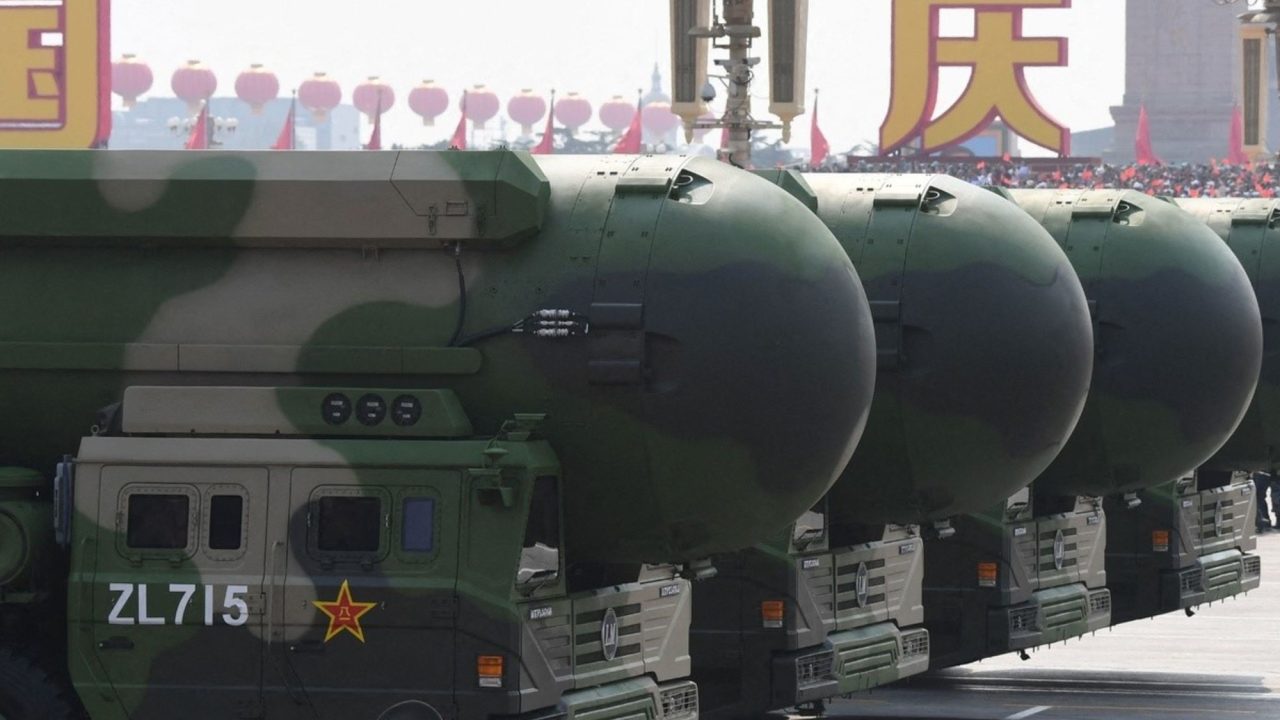
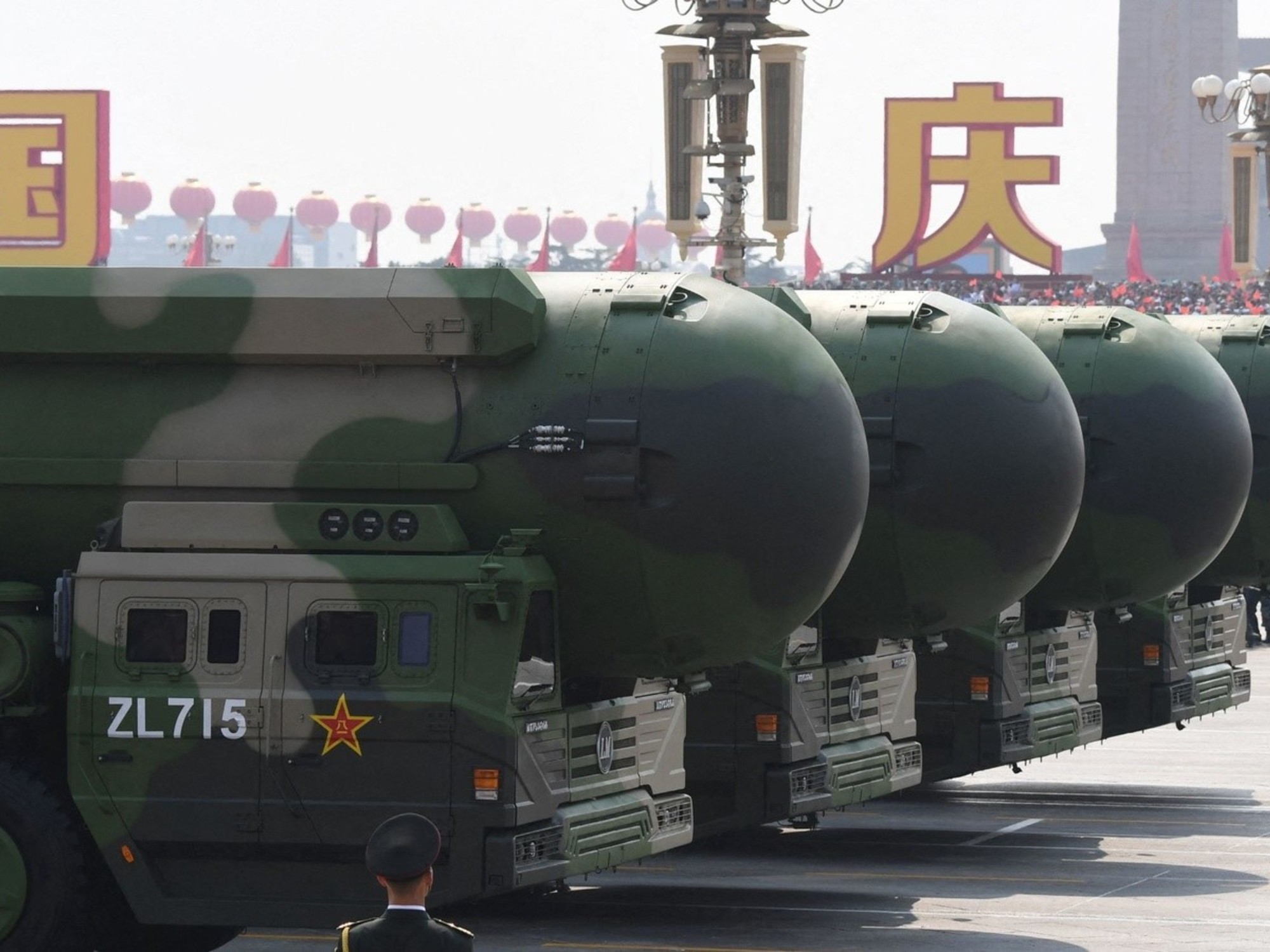
China has maintained a stance of avoiding direct warfare for more than four decades, yet this period of relative peace has coincided with a substantial 147% increase in its missile arsenal. This significant military expansion, highlighted in recent international defense reports, underscores a strategic shift and a rebalancing of military power in Asia.
Strategic Evolution
The growth in China’s military strength has been a gradual yet sustained process, fueled by massive investments in technology, weaponry, and the modernization of its armed forces. While China’s military power in the 1980s and 1990s was considerably less formidable than today, the last two decades have seen an accelerated production of advanced missile systems, including ballistic missiles and hypersonic platforms.
The last major armed conflict China participated in was a border dispute with Vietnam in the late 1970s. Since then, the nation has largely steered clear of large-scale direct military confrontations. However, this avoidance of conflict has not translated into a halt in its arms development.
Missile Systems at the Forefront
International studies indicate that the most pronounced increase has been observed in China’s missile systems. These systems are now capable of striking targets with high precision, both at sea and on land, over extensive distances. This surge is largely attributed to the growing role of missiles as a deterrent.
Defense specialists note that China has heavily invested in capabilities designed to counter foreign military actions near its coastlines. Historically, the Chinese military was structured around large ground forces and traditional frameworks. However, this paradigm began to shift with technological advancements and increasing geopolitical competition in the Pacific region. China has since prioritized its navy, air force, satellite systems, and sophisticated missile technology. Significant investments have also been directed towards cybersecurity, artificial intelligence, and hypersonic weaponry.
Geopolitical Implications
Military analysts frequently observe that Beijing aims to narrow the technological gap with the United States and enhance its regional response capabilities. Long-range missiles have fundamentally altered modern military strategy, enabling attacks on targets from vast distances, reducing response times, and exerting strategic pressure without the direct deployment of troops. This has led many global powers to concentrate their investments in such armaments.
For China, experts believe the primary objective is to establish sufficient deterrence to prevent foreign intervention in regional conflicts. This does not necessarily signal an imminent war, but it does significantly alter military and diplomatic calculations throughout the Asian region. Hypersonic systems, in particular, are a focal point of these concerns due to their extreme speed, which makes them exceptionally difficult to intercept. The United States, Russia, and China are currently engaged in a race to develop technology that can overcome traditional defense systems.
Why This Matters for FootballFans
While this report focuses on geopolitical and military developments, the underlying themes of technological advancement, strategic planning, and the pursuit of dominance resonate across various domains, including the competitive world of football. Nations and teams alike invest heavily in scouting, data analysis, and tactical innovation to gain a competitive edge. Understanding the broader global context of strategic resource allocation and technological races can offer a unique perspective on the constant evolution and intense competition witnessed in modern sports. The drive for superiority, whether in military might or on the football pitch, often stems from similar desires for control, influence, and ultimate success.
Datos clave
China’s recent military focus: Missile systems
Increase in missile arsenal: 147%
Period of no direct war: Over 40 years
Key technological advancements: Hypersonic missiles, AI, cybersecurity
Fuente: Clarin Deportes https://www.clarin.com/internacional/china-lleva-40-anos-entrar-guerra-arsenal-misiles-crecio-147_0_XUnVUCvxSq.html
Datos clave
| Punto | Detalle |
|---|---|
| Fuente | Clarin Deportes |
| Fecha | 2026-06-10T02:00:32+00:00 |
| Tema | China lleva más de 40 años sin entrar en guerra, pero su arsenal de misiles creció un 147% |
Source
Clarin Deportes Original publication: 2026-06-10T02:00:32+00:00
Related news

Borussia Dortmund Fall to Bodø/Glimt in Champions League Shock
Fredrik Sjøvold’s second-half strike gave the Norwegian side a 1-0 win over Niko Kovač’s Dortmund, who struggled to break down a disciplined…
Read story
Brajan Gruda Strike Gives RB Leipzig 1-0 Champions League Win Over PSV
Brajan Gruda scored in the 75th minute after Maarten Vandevoordt saved an Ivan Perisic penalty as RB Leipzig defeated PSV Eindhoven 1-0.
Read story
Real Betis vs Porto: Champions League Clash Preview and Prediction
Real Betis host Porto in a crucial Champions League league-phase match. Preview includes team news, possible lineups, and analysis of both sides'…
Read story
Jaguares Snatch Dramatic 3-2 Win Over Tolima in Liga BetPlay Relegation Battle
Darwin López scored a 92nd-minute winner as Jaguares de Montería secured only their second victory of the Liga BetPlay 2026-II season, defeating…
Read story