
2026 World Cup Faces Extreme Weather Threats: Extended Delays and Player Health Concerns
2026 World Cup Faces Extreme Weather Threats: Extended Delays and Player Health Concerns
TITLE: 2026 World Cup Faces Extreme Weather Threats: Extended Delays and Player Health Concerns
SLUG: 2026-world-cup-extreme-weather-threats
CATEGORY: News
TAGS: 2026 World Cup, FIFA, extreme weather, heat, thunderstorms, match delays, player safety
SEO_TITLE: 2026 World Cup Weather Concerns: Heat, Storms, and Match Delays
SEO_DESCRIPTION: The 2026 World Cup, hosted by the US, Canada, and Mexico, faces significant challenges from extreme heat and thunderstorms, potentially leading to lengthy match delays and impacting player health.
MEDIA_QUERY: FIFA World Cup stadiums summer weather conditions
IMAGE_ALT: A football stadium under a hot, sunny sky with some clouds.
The 2026 FIFA World Cup, set to be co-hosted by the United States, Canada, and Mexico, is bracing for potential disruptions from extreme weather conditions, including intense heat and frequent thunderstorms. These meteorological challenges could lead to extended match delays and raise significant concerns for player health and performance throughout the tournament.
Weather Protocols and Potential Delays
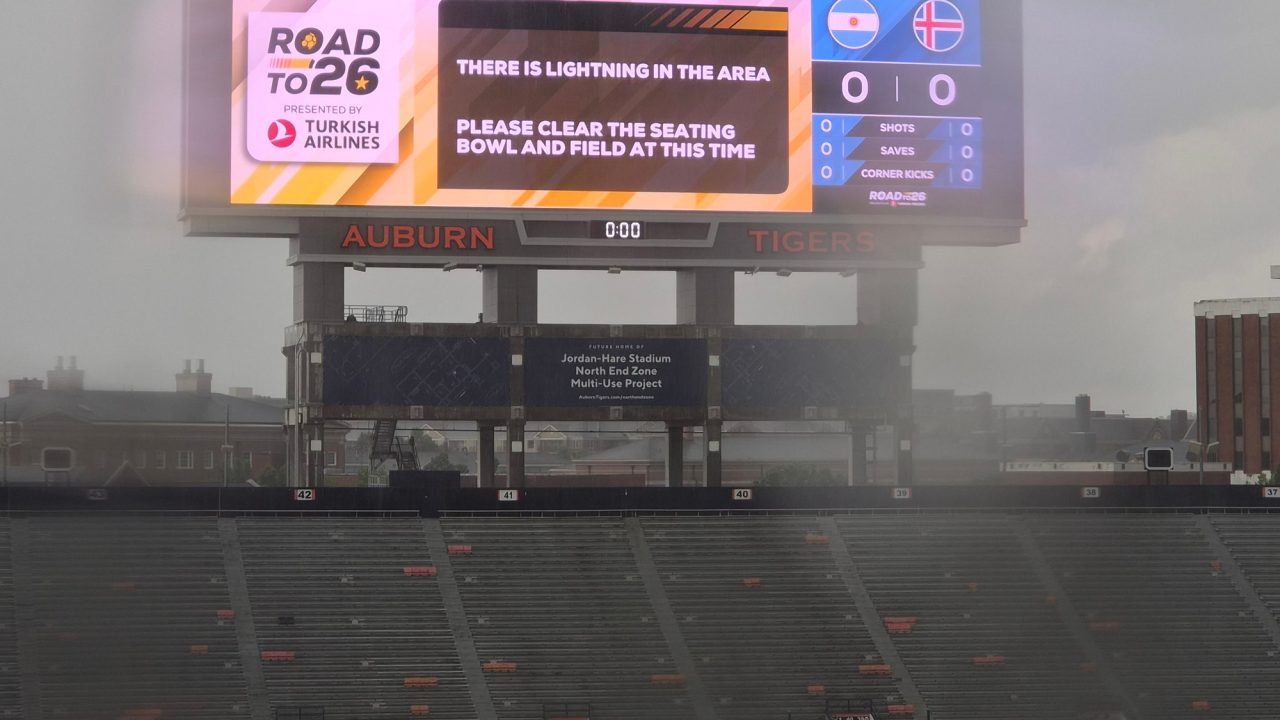
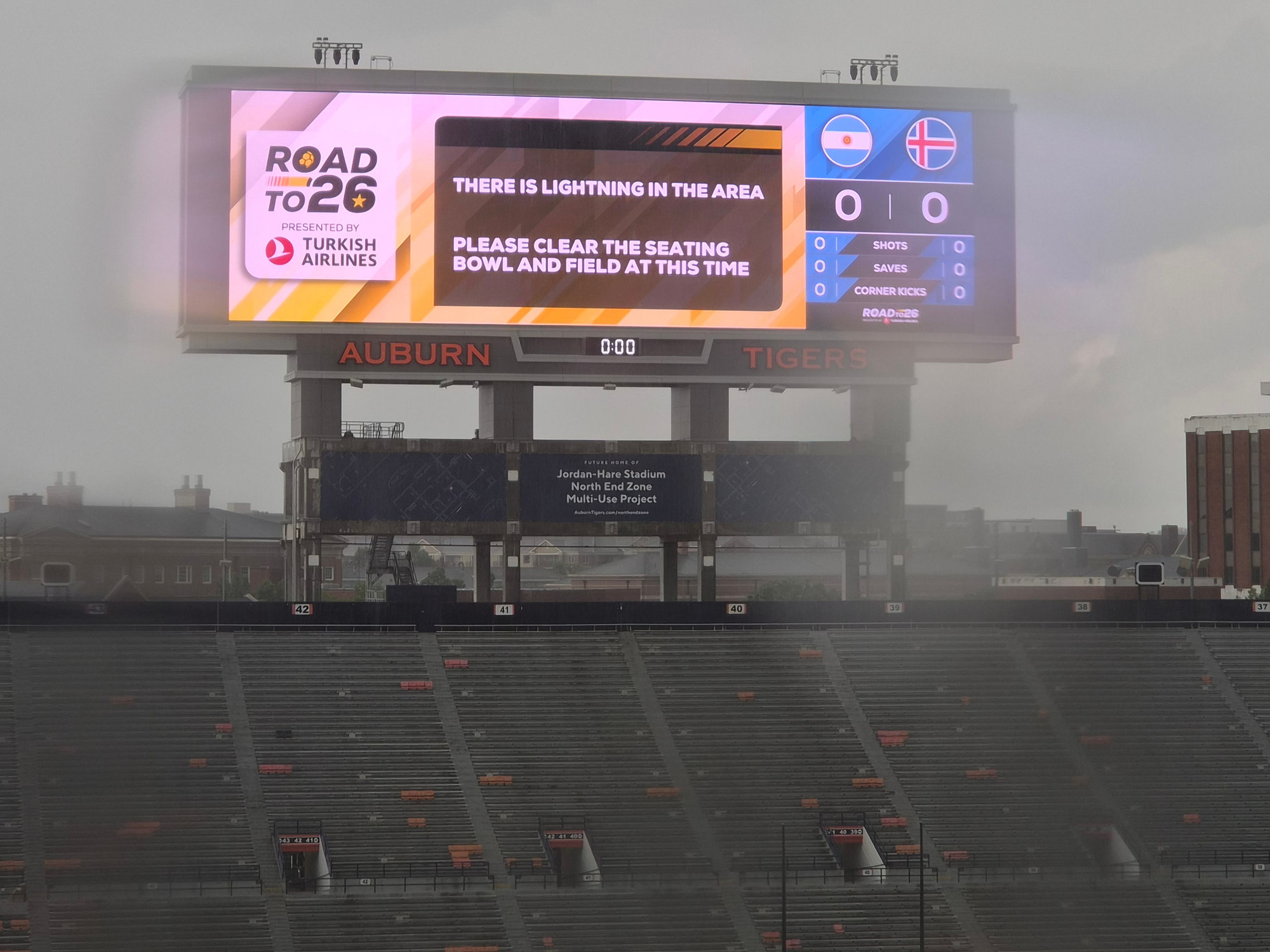
A key concern for the FIFA World Cup is the strict protocol for electrical storms in the United States. According to national guidelines, sporting events must halt immediately if electrical activity is detected within an 8-mile radius of the stadium. Play can only resume 30 minutes after the last detected lightning strike, with the countdown resetting with each new strike. This rule was starkly illustrated during the 2025 Club World Cup, where a match between Chelsea and Benfica was delayed for nearly two hours due to a storm, extending the game to an unprecedented four hours and 37 minutes.
This precedent raises fears of similar, or even longer, interruptions during the World Cup, which will feature 48 teams and 104 matches. FIFA has stated it is working with meteorological and emergency agencies across the three host nations and has conducted specific drills for extreme weather events. However, the lack of a defined time limit for definitive match suspension under FIFA regulations means each situation will be assessed individually, potentially creating logistical complexities.
Key facts
| Factor | Impact on 2026 World Cup |
|---|---|
| Thunderstorms | Stoppages of play due to lightning detection protocols. |
| Extreme Heat | Increased risk of dehydration, heatstroke, and reduced performance. |
| Humidity | Exacerbates heat effects, raising perceived temperature. |
| Tournament Schedule | Potential for extended match durations and logistical challenges. |
Heat and Humidity Concerns
Beyond thunderstorms, the extreme heat and humidity expected during the June and July tournament period present another significant challenge. Several host cities, including Miami, Houston, and Kansas City, are prone to high temperatures exceeding 30 degrees Celsius, combined with high humidity levels that significantly increase the perceived heat.
To address this, FIFA has mandated three-minute hydration breaks, known as “cooling breaks,” in all 104 matches. These breaks will occur around the 22-minute mark of each half to allow players to rehydrate and recover. However, experts warn that even with these breaks, the combination of heat and humidity can lead to heat stress, dehydration, and exhaustion, particularly during high-intensity matches. Some players have described similar conditions in past tournaments as the most demanding they have experienced.
Impact on Players and Fans
The looming weather challenges extend beyond the players on the pitch. The intense heat and humidity will also affect the thousands of fans attending matches, potentially impacting their experience before and after games. Organizers are relying on established protocols to mitigate risks, but the unpredictability of weather patterns remains a significant concern.
FIFA has pledged to monitor weather conditions in real-time using tools like the Wet Bulb Globe Temperature (WBGT) index and the Heat Index to assess the impact of temperature, humidity, solar radiation, and wind on the human body. The experience from the Club World Cup has served as a stark reminder that, for the world’s premier football tournament, the most formidable adversary might indeed come from the sky.
Source: Clarin Deportes – https://www.clarin.com/deportes/rival-mundial-2026-calor-extremo-tormentas-electricas-riesgo-partidos-interminables_0_OhWmIJLYji.html
Source
Clarin Deportes Original publication: 2026-06-11T00:19:20+00:00
Related news

Borussia Dortmund Fall to Bodø/Glimt in Champions League Shock
Fredrik Sjøvold’s second-half strike gave the Norwegian side a 1-0 win over Niko Kovač’s Dortmund, who struggled to break down a disciplined…
Read story
Brajan Gruda Strike Gives RB Leipzig 1-0 Champions League Win Over PSV
Brajan Gruda scored in the 75th minute after Maarten Vandevoordt saved an Ivan Perisic penalty as RB Leipzig defeated PSV Eindhoven 1-0.
Read story
Real Betis vs Porto: Champions League Clash Preview and Prediction
Real Betis host Porto in a crucial Champions League league-phase match. Preview includes team news, possible lineups, and analysis of both sides'…
Read story
Jaguares Snatch Dramatic 3-2 Win Over Tolima in Liga BetPlay Relegation Battle
Darwin López scored a 92nd-minute winner as Jaguares de Montería secured only their second victory of the Liga BetPlay 2026-II season, defeating…
Read story