
Koeman Defends Substitutions Despite Netherlands’ Defensive Struggles in Opener
Netherlands coach Ronald Koeman has no regrets about his substitutions during the World Cup opening match against Japan, even as the team faced defensive challenges.
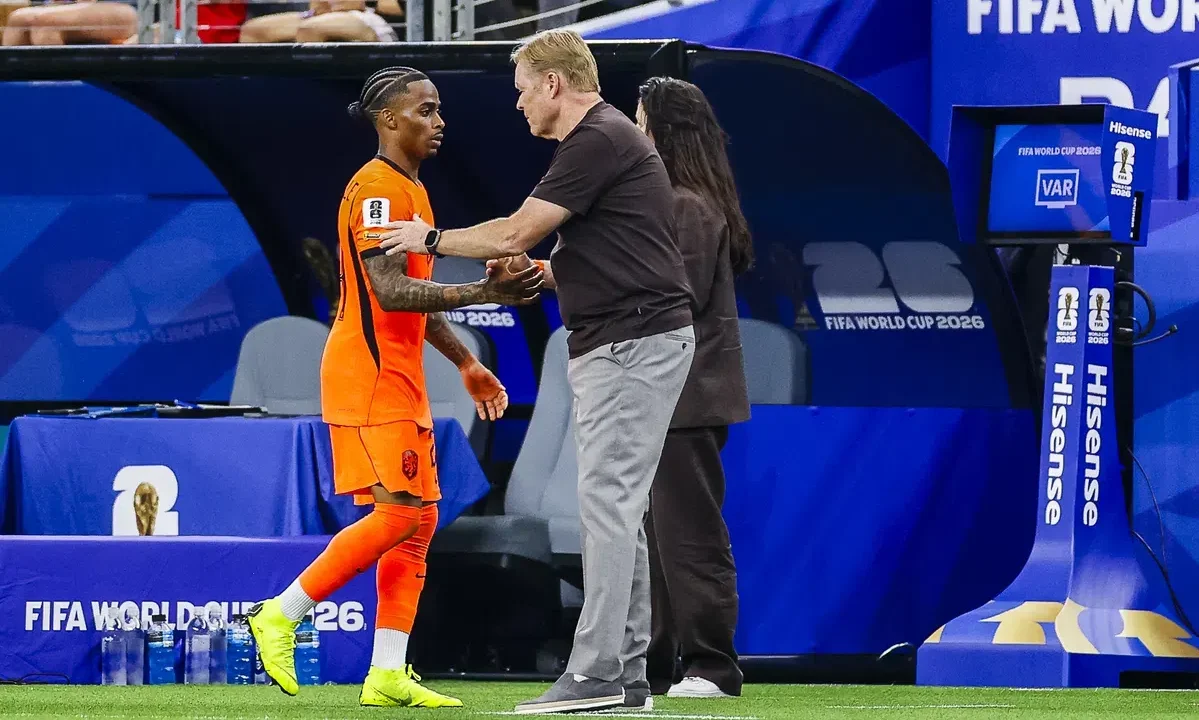
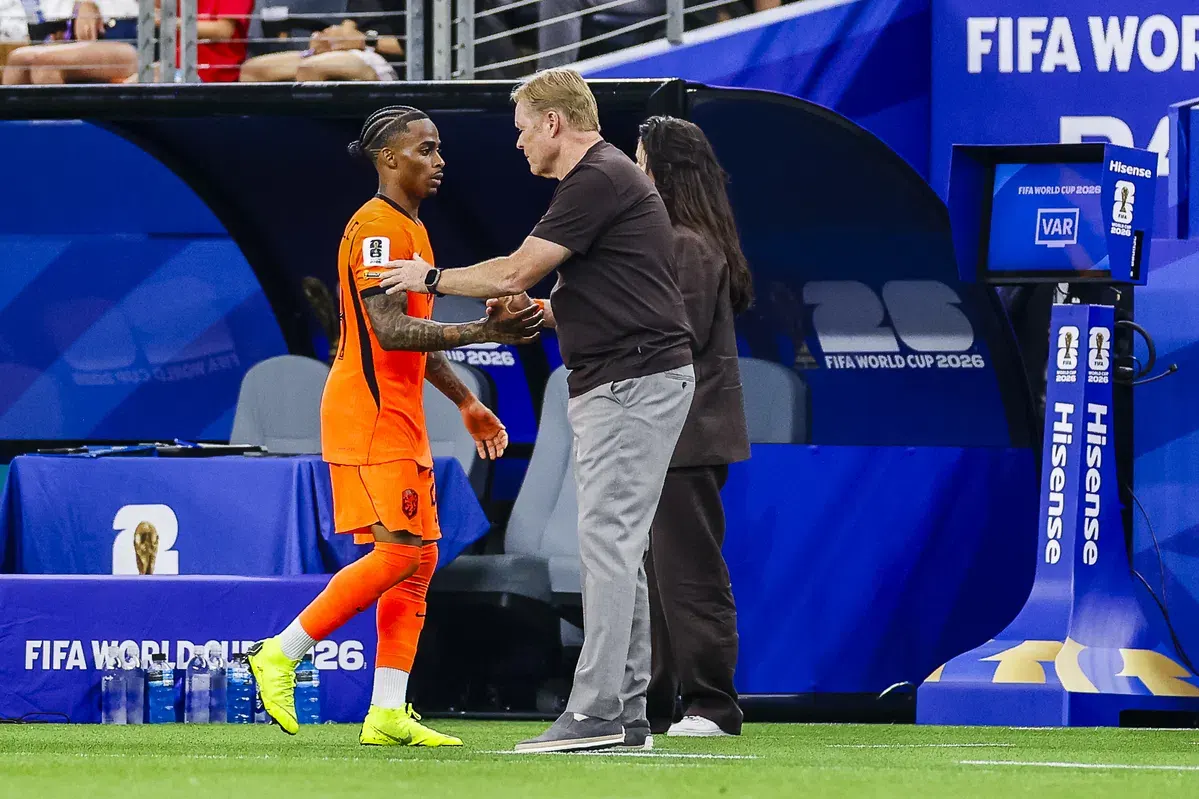
Netherlands head coach Ronald Koeman has reiterated his stance, stating he has no regrets about the substitutions made during the World Cup opening match against Japan, despite the team experiencing defensive difficulties. Koeman addressed questions surrounding the changes, particularly the substitutions of Crysencio Summerville and Donyell Malen in the latter stages of the game.
Defending the Decisions
In his initial comments to NOS, Koeman provided a brief explanation for withdrawing Summerville and Malen after seventy minutes. However, the subsequent press conference saw journalists pressing for further clarification. When asked if he believed the substitutions led to a loss of initiative, Koeman disagreed. He explained that the team often faced increased pressure from opponents after taking a lead.
Koeman observed that Japan’s playing style shifted after the Netherlands went ahead, noting a less aggressive approach in the first half, possibly due to respect or apprehension. He pointed out that this pressure intensified when they fell behind. This defensive pressure, according to Koeman, was already apparent even when Summerville and Malen were on the field after Virgil van Dijk’s opening goal.
“We got into more trouble defensively then, even though we still had speed upfront,” Koeman stated. “That’s why I disagree with the notion that we gave away the initiative. We weren’t applying enough pressure on the flanks, which is why I brought on Nathan Aké.”
Analyzing the Goals
Koeman also provided his perspective on the goals conceded. He described the first goal as a result of poor defending, while the second was deemed unfortunate due to a deflection. “Football is sometimes strange, because after the 2-2, Japan suddenly started defending again, and then we could score to make it 3-2 from a moment of inspiration. So no, I have no regrets about my substitutions,” he said.
The coach did not view the reduction in attacking speed as a significant issue. He explained that the intention behind introducing Teun Koopmeiners and Memphis Depay was to improve ball retention and stability in the forward line when the team struggled to advance. “If you want to build from your own half, you need to be able to keep possession, and you need players who can hold onto the ball,” Koeman added. “But we couldn’t do that, and we conceded. Not many chances came from that period, but the 2-2 came from an unlucky moment. You need a bit of luck in those moments, and we didn’t have it.”
Key facts
| Aspect | Detail |
|---|---|
| Coach | Ronald Koeman |
| Match | Netherlands vs. Japan (World Cup Opener) |
| Substitutions in focus | Crysencio Summerville, Donyell Malen, Nathan Aké, Teun Koopmeiners, Memphis Depay |
| Koeman’s reasoning | To regain defensive stability and ball possession |
| Outcome | Netherlands conceded two goals, ultimately winning the match |
This development is relevant to FootballGames10 readers as it offers insight into the tactical thinking of a prominent national team coach during a major tournament. Understanding Koeman’s rationale behind his substitutions, especially in the context of a high-pressure World Cup match, provides valuable context for fans analyzing team performance and coaching strategies.
Source: Voetbal International – https://www.vi.nl/nieuws/koeman-heeft-geen-spijt-van-wissels-voetbal-zit-soms-gek-in-elkaar
Source
Voetbal International Original publication: 2026-06-15T00:07:19+00:00
Related news

Celtic’s Europa League struggles deepen as Benfica expose familiar flaws
A 4-1 defeat in Lisbon leaves Celtic with two losses from two Europa League group games. Martin O’Neill sees positives in the…
Read story
Borussia Dortmund Fall to Bodø/Glimt in Champions League Shock
Fredrik Sjøvold’s second-half strike gave the Norwegian side a 1-0 win over Niko Kovač’s Dortmund, who struggled to break down a disciplined…
Read story
Brajan Gruda Strike Gives RB Leipzig 1-0 Champions League Win Over PSV
Brajan Gruda scored in the 75th minute after Maarten Vandevoordt saved an Ivan Perisic penalty as RB Leipzig defeated PSV Eindhoven 1-0.
Read story
Real Betis vs Porto: Champions League Clash Preview and Prediction
Real Betis host Porto in a crucial Champions League league-phase match. Preview includes team news, possible lineups, and analysis of both sides'…
Read story