
Scotland Navigates World Cup Tightrope: The Psychology of Playing for a Draw
As Scotland eyes a historic World Cup knockout stage, the challenge isn't just technical but psychological: how to play when a draw or even a narrow defeat secures progression.
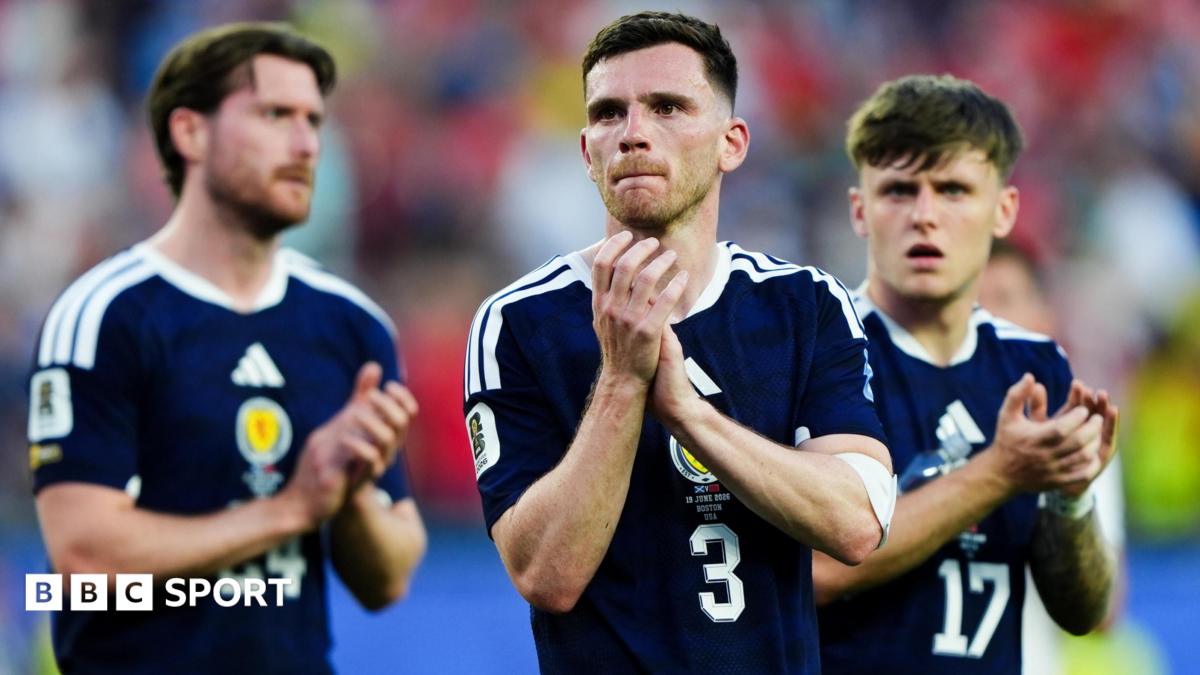
Scotland is on the cusp of a historic moment in the World Cup, with a draw or even a narrow defeat against Brazil potentially enough to secure a place in the knockout stages. This scenario, however, presents a unique psychological and tactical challenge for head coach Steve Clarke and his players: how does a team approach a match when the primary objective isn’t necessarily a win?
The focus for many Scottish fans has shifted to the standings of third-placed teams, a complex calculation that could see the nation advance for the first time ever. While the players and coaching staff will publicly emphasize a commitment to winning, the external pressure and the mathematical possibility of progression raise questions about subconscious influence on their game.
The Mind Games of Not Losing
Former Scotland international and manager Craig Levein highlighted the inherent danger in playing for a draw. “I don’t believe Steve will be playing for a draw because there’s a dangerous element to that,” Levein told BBC Scotland. “Because you’re in a mode where if you do lose a goal then getting shifted out of that mind space is difficult.” He recalled a past match against the Czech Republic where a draw would have been a positive result, but a single goal conceded proved costly. Levein stressed that football’s inherent randomness means aiming for a specific outcome, like a draw, is not a guarantee.
Instead, Levein believes that Clarke’s overall demeanor, training approach, and team selection will be more impactful in shaping the players’ mindset than the external noise surrounding the need for a point. The potential inclusion of attacking players like Ben Gannon-Doak, for example, could signal an intent to be more aggressive, encouraging players to “take the shackles off and have a go.”
Tactical Passivity or Calculated Caution?
Beyond the psychological aspect, questions have arisen about Scotland’s tactical approach in previous matches. Against Haiti, Scotland registered only 46% possession, which dropped to 40% against Morocco. Their offensive output has been limited, with just two shots on target so far. Defensively, the team has often been observed to be passive, with a slower recovery of possession compared to their opponents. This approach led to a mindset where players might start to worry rather than proactively create scoring opportunities, according to former midfielder Scott Allan.
Allan suggested that even within a defensive structure, aggression can be maintained. “There’s a point where once they [the opposition] reach here, when they make a square pass, can we go with real purpose and go and try and get the ball back?” he questioned in the Scottish Football Podcast.
Finding Urgency Without the Ball
Former Rangers and Motherwell midfielder Andy Halliday echoed the sentiment that Scotland needs more urgency off the ball against Brazil. “When you’re going to be this team that wants to sit in and frustrate then try and be as quick as you can on transitions,” Halliday stated, “I think we need to be a lot more aggressive than we’ve been off the ball.” He pointed out that Scotland’s most promising chances against Morocco came from applying pressure high up the pitch and forcing turnovers. While acknowledging that possession might remain low against Brazil, Halliday emphasized the importance of not allowing top players the time and space to settle into the game.
Key facts
| Aspect | Detail |
|—|—|
| Match | Scotland vs. Brazil, FIFA World Cup |
| Qualification Scenario | Draw or narrow defeat could see Scotland advance |
| Tactical Concerns | Possession stats, shots on target, defensive pressing |
| Expert Opinion | Danger of playing for a draw, importance of proactive aggression |
| Potential Impact | Historic knockout stage qualification for Scotland |
The upcoming match against Brazil will test Scotland’s ability to manage the unique pressures of a game where advancing doesn’t solely depend on victory. Their tactical execution and mental fortitude will be crucial in navigating this tightrope and potentially achieving a historic World Cup milestone.
Source: BBC Sport Football, https://www.bbc.com/sport/football/articles/c79ylvq54e9o?at_medium=RSS&at_campaign=rss
Datos clave
| Punto | Detalle |
|---|---|
| Fuente | BBC Sport Football |
| Fecha | 2026-06-23T06:16:14+00:00 |
| Tema | Why Scotland can't play for draw or narrow defeat against Brazil |
Source
BBC Sport Football Original publication: 2026-06-23T06:16:14+00:00
Related news
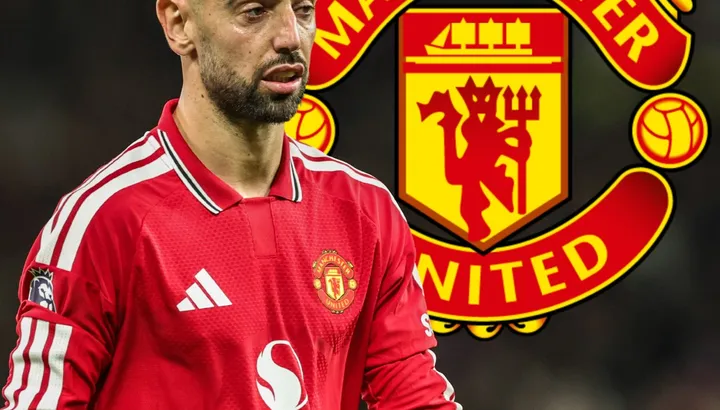
Bruno Fernandes Contract Talks Underway as Man United Face Key Summer Decisions
Manchester United are in active discussions with captain Bruno Fernandes over a contract extension, according to reports, as the 32-year-old enters the…
Read story
Celtic’s Europa League struggles deepen as Benfica expose familiar flaws
A 4-1 defeat in Lisbon leaves Celtic with two losses from two Europa League group games. Martin O’Neill sees positives in the…
Read story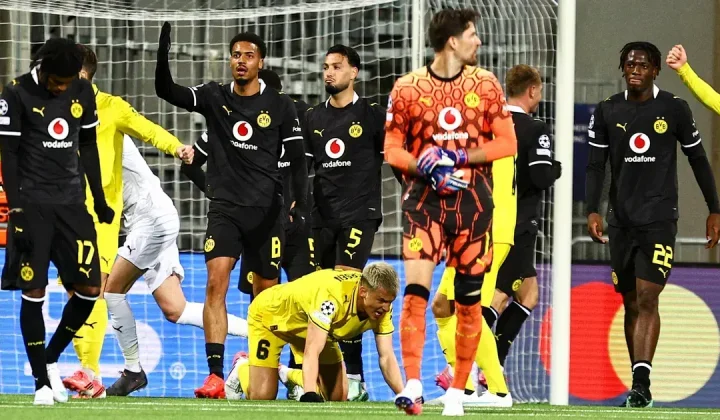
Borussia Dortmund Fall to Bodø/Glimt in Champions League Shock
Fredrik Sjøvold’s second-half strike gave the Norwegian side a 1-0 win over Niko Kovač’s Dortmund, who struggled to break down a disciplined…
Read story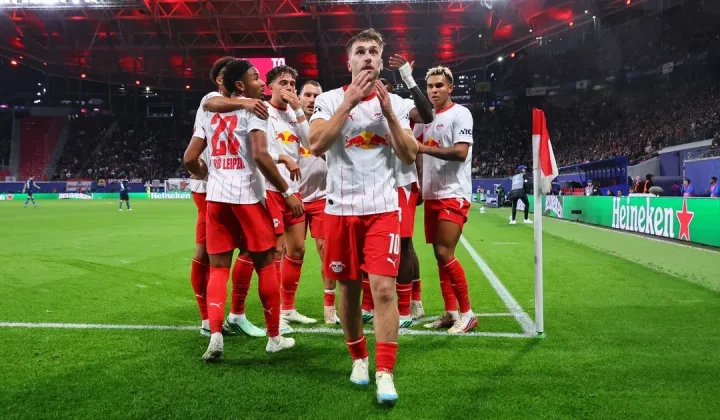
Brajan Gruda Strike Gives RB Leipzig 1-0 Champions League Win Over PSV
Brajan Gruda scored in the 75th minute after Maarten Vandevoordt saved an Ivan Perisic penalty as RB Leipzig defeated PSV Eindhoven 1-0.
Read story