
Mother and Daughter Build Seven-Room House Using 8,000 Recycled Glass Bottles
A remarkable feat of sustainable architecture has emerged in Brazil, where a mother and daughter transformed thousands of discarded glass bottles into a unique, seven-room home, dubbed the "Casa de Sal.
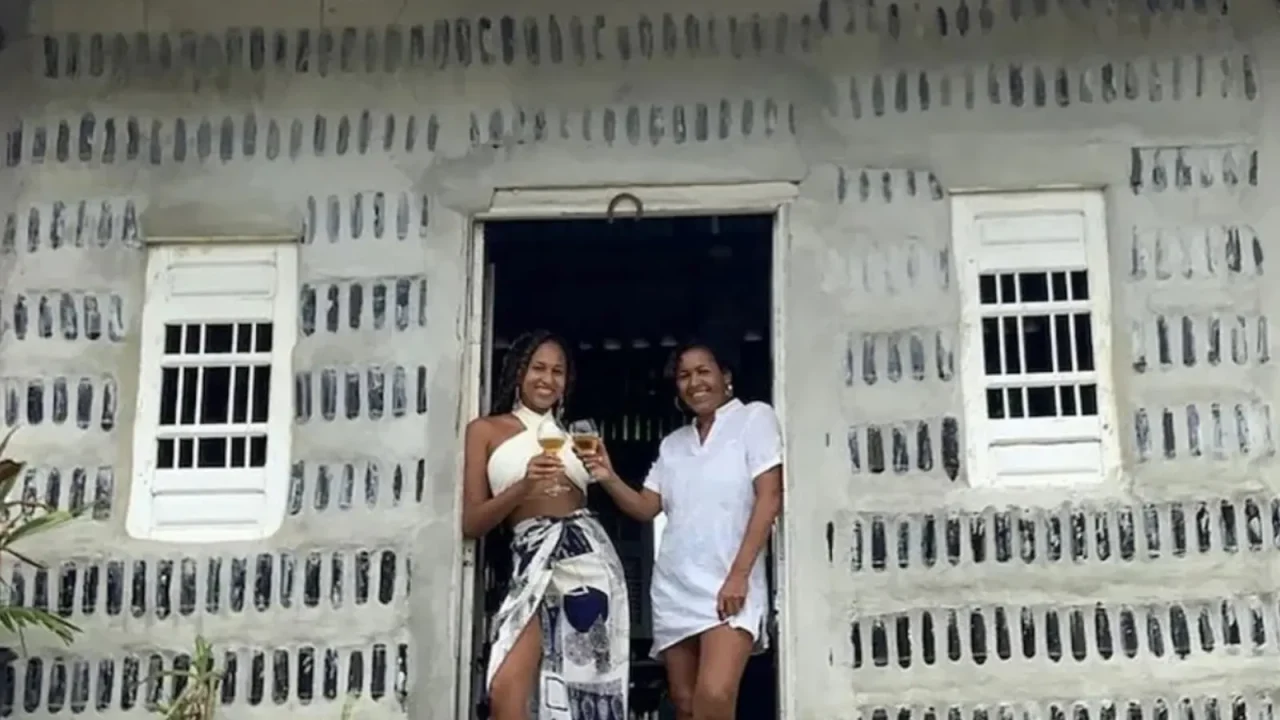
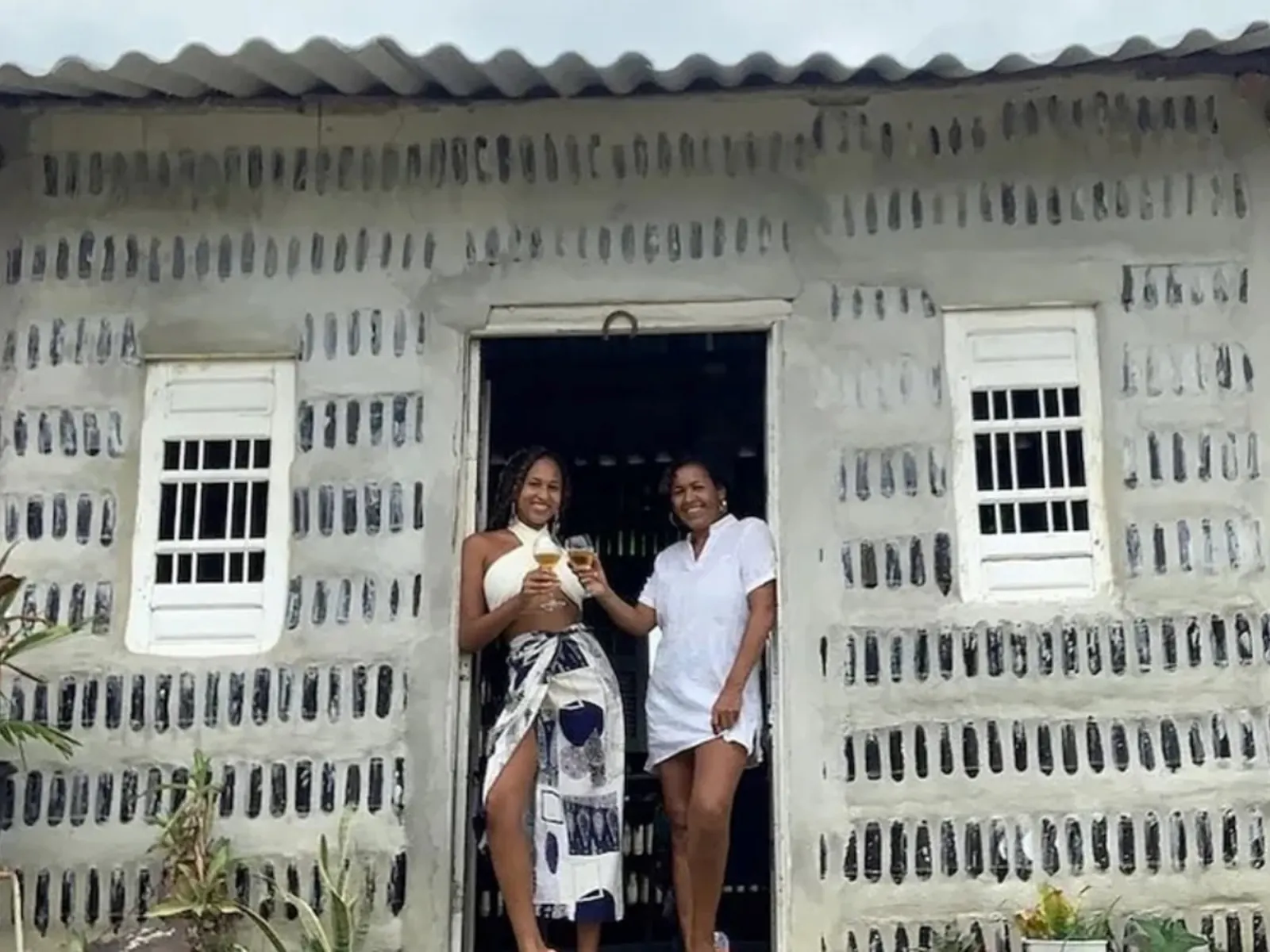
A remarkable initiative in Brazil has seen a mother and daughter duo transform what was once considered mere waste into a functional and aesthetically pleasing seven-room dwelling. Edna Dantas and her daughter, Maria Gabrielly Dantas, dedicated five years to constructing their unique home, named the “Casa de Sal” (Salt House), using approximately 8,000 recycled glass bottles.
The project, which began on May 1, 2020, in the midst of the COVID-19 pandemic, was inspired by the significant amount of trash accumulating on beaches and in public spaces following tourist seasons. Instead of viewing discarded bottles as a problem, the Dantas family saw an opportunity for innovation and sustainability.
Sustainable Construction Begins
The initial phase of construction involved building a 20-square-meter section that served as a workshop while the main structure took shape. This dedication allowed them to lay the groundwork for what would become a substantial home. The core idea was to repurpose glass bottles, a material often destined for landfills, into a primary building component.
Over a two-year period, Edna and Maria Gabrielly meticulously collected thousands of glass bottles. Each bottle was then cleaned, prepared, and carefully integrated into the architectural design. This manual process was central to the project, emphasizing a hands-on approach to sustainable building.
Innovative Building Techniques
The construction of the Casa de Sal is distinguished by an innovative technique developed by the mother and daughter team. Rather than the conventional horizontal stacking of bottles, they opted for a vertical placement. This method involved an alternating pattern where one layer of bottles rested on its base, and the subsequent layer was interlocked upside down. This ingenious interlocking of bottle necks and bases provided structural stability, allowing for level walls without traditional mortar.
The entire glass framework is supported by a robust skeleton of reclaimed wood, which bears the weight of the roof, thus preventing direct stress on the glass elements. To further secure the bottle walls, a dense mixture of cement and sand was used to fill the voids between the bottles. Additionally, internal partitions constructed from recycled wooden pallets provided the necessary lateral rigidity to withstand the strong sea winds prevalent on Itamaracá Island.
Beyond Glass: A Holistic Approach to Recycling
The Dantas family’s commitment to sustainability extended beyond the use of glass bottles. The house also incorporates reclaimed wood and repurposed furniture. This holistic approach underscores their mission to minimize waste and give discarded materials a second life.
One of the most striking features of the Casa de Sal is how the glass bottles interact with natural light. When sunlight passes through the vertically placed bottles, it creates dynamic reflections and patterns, offering a unique visual experience distinct from conventional walls. This design element not only adds to the home’s charm but also serves to illuminate the interior naturally.
Community Support and Vision
While the primary construction was a labor of love for Edna and Maria Gabrielly, the project also benefited from community involvement. The five-year effort, encompassing the structure, interior fittings, and the use of eco-friendly roof tiles made from recycled toothpaste tubes, highlights the power of perseverance and collaborative spirit in achieving ambitious sustainable goals.
The Casa de Sal stands as a testament to creative problem-solving and the potential of upcycling. It demonstrates that with vision and dedication, waste materials can be transformed into valuable resources, offering a blueprint for environmentally conscious construction.
Key facts
| Feature | Detail |
|---|---|
| Project Name | Casa de Sal (Salt House) |
| Location | Itamaracá Island, Pernambuco, Brazil |
| Primary Material | 8,000 recycled glass bottles |
| Construction Duration | Approximately 5 years |
| Key Builders | Edna Dantas and Maria Gabrielly Dantas |
| Additional Materials | Reclaimed wood, recycled wooden pallets, eco-friendly roof tiles |
This story is relevant to FootballGames10 readers interested in innovative uses of resources and community-driven projects, showcasing how creativity can lead to unique and sustainable outcomes, even in construction, which indirectly touches upon the broader themes of resourcefulness and ingenuity that can be found in various fields, including sports.
Source: Clarin Deportes (https://www.clarin.com/internacional/parecia-basura-termino-casa-madre-hija-levantaron-vivienda-8000-botellas-vidrio_0_xZGQsUZ2rm.html)
Source
Clarin Deportes Original publication: 2026-06-25T00:00:59+00:00
Related news

Bruno Fernandes Contract Talks Underway as Man United Face Key Summer Decisions
Manchester United are in active discussions with captain Bruno Fernandes over a contract extension, according to reports, as the 32-year-old enters the…
Read story
Celtic’s Europa League struggles deepen as Benfica expose familiar flaws
A 4-1 defeat in Lisbon leaves Celtic with two losses from two Europa League group games. Martin O’Neill sees positives in the…
Read story
Borussia Dortmund Fall to Bodø/Glimt in Champions League Shock
Fredrik Sjøvold’s second-half strike gave the Norwegian side a 1-0 win over Niko Kovač’s Dortmund, who struggled to break down a disciplined…
Read story
Brajan Gruda Strike Gives RB Leipzig 1-0 Champions League Win Over PSV
Brajan Gruda scored in the 75th minute after Maarten Vandevoordt saved an Ivan Perisic penalty as RB Leipzig defeated PSV Eindhoven 1-0.
Read story