
Koeman Opts for Compactness Over Attacking Prowess in Netherlands’ Morocco Clash
Ronald Koeman's tactical shift to a more compact 5-2-3 formation against Morocco drew criticism for sacrificing attacking options, a gamble that ultimately didn't pay off.
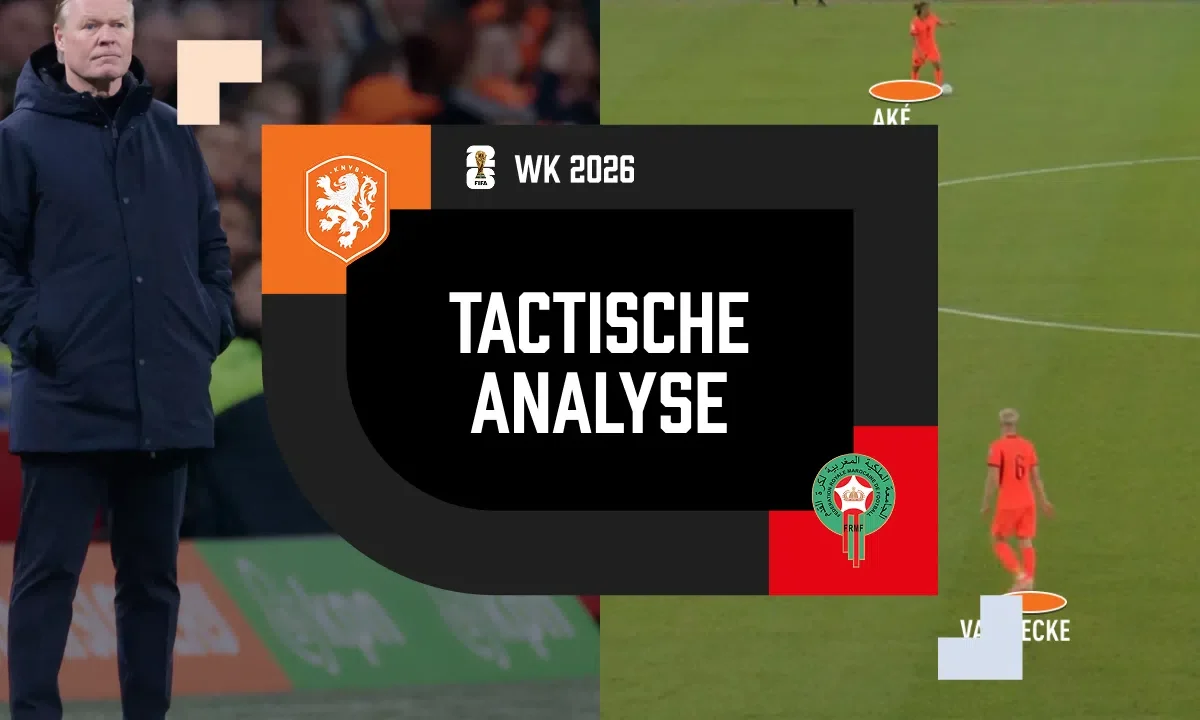
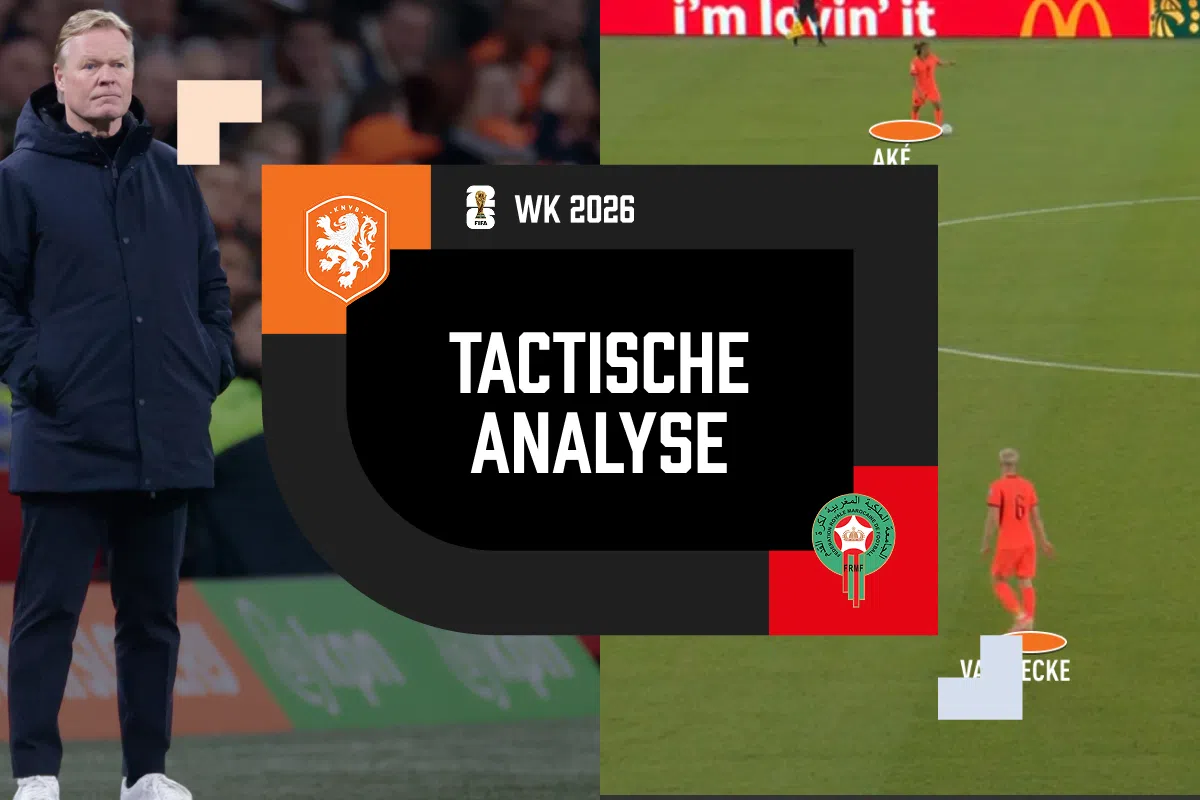
Ronald Koeman’s tactical approach for the Netherlands’ encounter with Morocco saw a significant shift towards defensive compactness, a decision that prioritized solidity over attacking flair. The Dutch coach implemented a 5-2-3 formation, a move that involved dropping Tijjani Reijnders from the midfield to accommodate Nathan Aké in defense. This strategic adjustment, aimed at mitigating the spaces conceded in previous matches, ultimately meant sacrificing attacking impetus.
Defensive Solidity as a Priority
The primary objective behind Koeman’s tactical reshuffle was to achieve greater defensive compactness. He expressed dissatisfaction with the team’s defensive shape in earlier group stage games, even with Frenkie de Jong dropping back to bolster the defense. “In defense, we need to stand more compactly,” Koeman stated, emphasizing his focus on this aspect of play. He believed that the 5-2-3 system, with an extra player in defense, would provide the necessary structure to prevent opponents from exploiting open areas. This was a deliberate choice to instill more confidence in the team’s defensive capabilities.
Attacking Sacrifices
However, this tactical commitment to compactness came at a cost to the Netherlands’ attacking threat. Similar to their earlier match against Japan, the team’s offensive output was diminished by the altered formation. Koeman’s gamble appeared to be on securing a result through defensive stability, potentially even aiming for a penalty shootout, a strategy that ultimately proved unsuccessful. The decision to prioritize defensive structure over offensive creativity highlighted a tactical dilemma faced by the coach.
Koeman’s Rationale
Koeman defended his tactical choices by referencing the team’s previous defensive performances. He noted that even when Frenkie de Jong was instructed to drop deep and form a back five, the defensive organization was not always optimal. “We have always defended with five,” Koeman explained, referring to De Jong’s role. “Despite that, I didn’t always think it was good. I have more confidence in this because I have seen in recent matches that we give away a lot of space. And we must not do that. Now we are more compact with an extra man.” This statement underscores his belief that the 5-2-3 formation offered a more consistent solution to their defensive frailties.
The Impact on the Game
The tactical adjustment meant a reduction in midfield presence and a more conservative approach to build-up play. While the intention was to create a more difficult-to-break-down unit, it limited the Netherlands’ ability to transition effectively and pose a consistent threat in the final third. The coach’s reliance on defensive discipline and perhaps a hope for moments of individual brilliance or set-piece opportunities seemed to be the underlying strategy. The ultimate outcome of the match, however, suggests that this approach did not yield the desired results, leaving questions about the balance between defensive security and offensive potency.
Key facts
| Aspect | Detail |
|---|---|
| Coach | Ronald Koeman |
| Formation | 5-2-3 |
| Key Player Change | Nathan Aké replaced Tijjani Reijnders |
| Stated Goal | Increased defensive compactness |
| Sacrifice | Attacking force |
The tactical choices made by Ronald Koeman against Morocco provide a case study in coaching decisions where defensive stability is prioritized over offensive potential. For fans of the Netherlands national team, this highlights the ongoing debate about the ideal balance between tactical discipline and free-flowing attacking football, particularly in high-stakes tournament matches. The effectiveness of such strategies often depends on the execution and the ability to adapt during the game.
Source: Voetbal International, https://www.vi.nl/pro/tactische-analyse-nederland-marokko-koeman-offert-aanvalskracht-met-aanpassing
Source
Voetbal International Original publication: 2026-06-30T03:53:45+00:00
Related news

Celtic’s Europa League struggles deepen as Benfica expose familiar flaws
A 4-1 defeat in Lisbon leaves Celtic with two losses from two Europa League group games. Martin O’Neill sees positives in the…
Read story
Borussia Dortmund Fall to Bodø/Glimt in Champions League Shock
Fredrik Sjøvold’s second-half strike gave the Norwegian side a 1-0 win over Niko Kovač’s Dortmund, who struggled to break down a disciplined…
Read story
Brajan Gruda Strike Gives RB Leipzig 1-0 Champions League Win Over PSV
Brajan Gruda scored in the 75th minute after Maarten Vandevoordt saved an Ivan Perisic penalty as RB Leipzig defeated PSV Eindhoven 1-0.
Read story
Real Betis vs Porto: Champions League Clash Preview and Prediction
Real Betis host Porto in a crucial Champions League league-phase match. Preview includes team news, possible lineups, and analysis of both sides'…
Read story