
England’s World Cup Success Fueled by “Special Operations Team,” Says Tuchel
Thomas Tuchel highlights the crucial role of the entire squad, not just the starting XI, in England's World Cup campaign, emphasizing the impact of substitutes and dressing room morale.
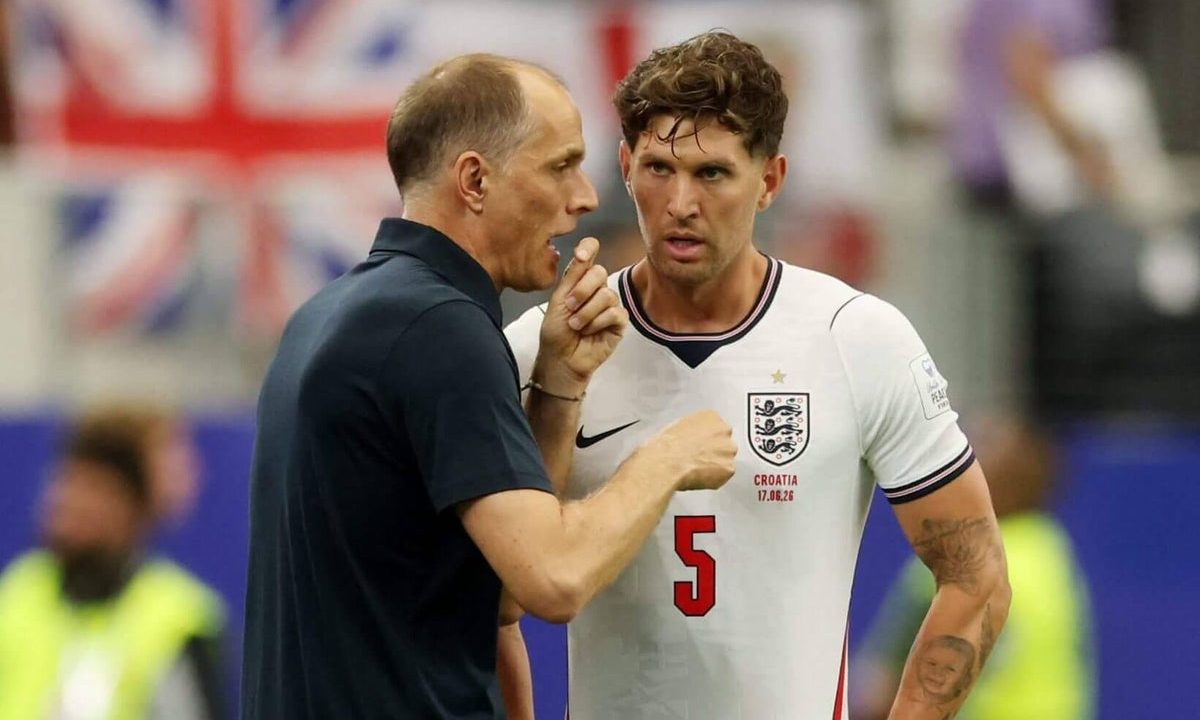
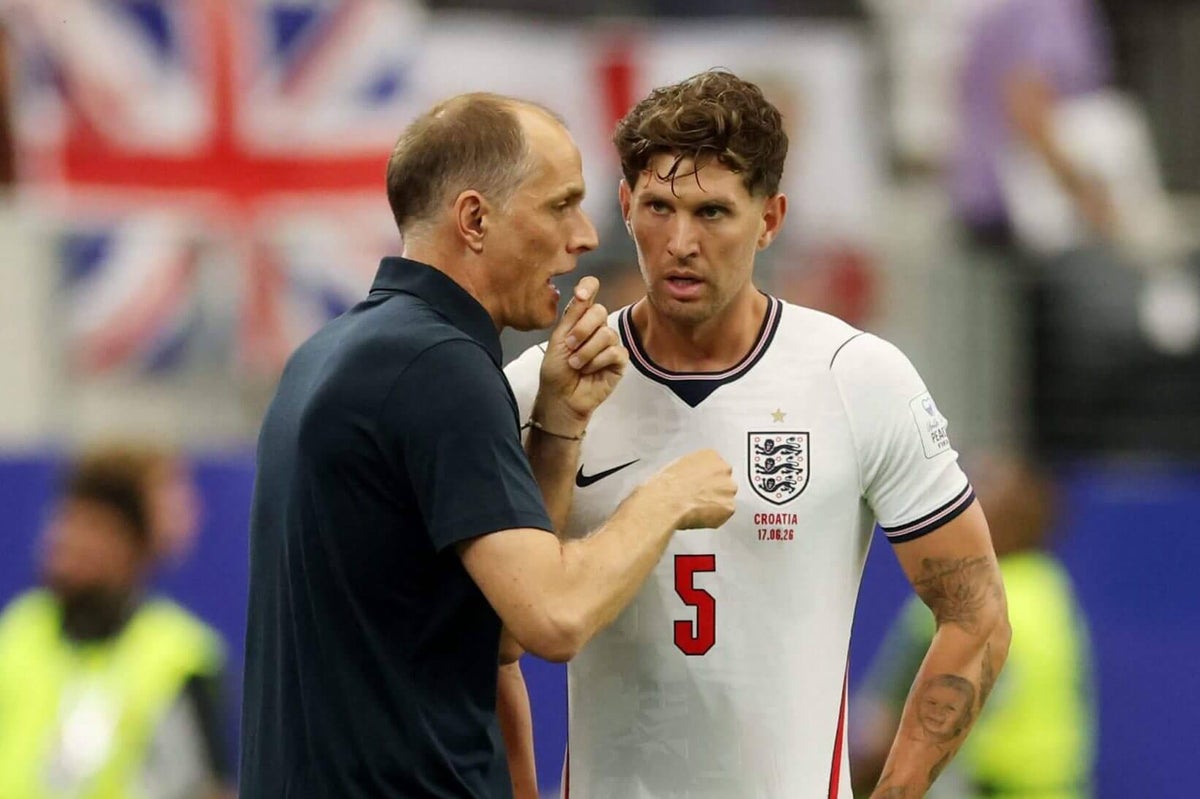
Thomas Tuchel, the head coach of the England national football team, has revealed that the team’s deep run in the World Cup is significantly attributed to what he calls a “special operations team”—a group of players who may not start but are crucial to the squad’s overall success. This strategic approach emphasizes the importance of every player’s contribution, both on and off the pitch.
Tuchel’s vision for this “specialty team” was evident in recent matches, particularly in the victory against Mexico. Despite playing with a man down for a significant portion of the second half due to a red card, Tuchel’s substitutions proved decisive. Players like Dan Burn, who made crucial defensive contributions, and the experienced John Stones, who anchored the defense in the final minutes, exemplified the impact of these tactical changes.
Por que importa
Beyond their on-field impact as substitutes, Tuchel also values the “special operations team” for their role in maintaining team spirit and cohesion. He has consistently stressed the need for excellent character within the squad, especially during extended periods away from home, such as a seven-week World Cup campaign. This philosophy was evident in his comments regarding Ivan Toney, who, despite not yet featuring in the tournament, was recognized for his ability to connect with teammates and act as “glue” within the dressing room.
The performances of key players like Harry Kane and Jude Bellingham have been instrumental, but Tuchel acknowledges that England’s continued presence in the tournament is a testament to the entire squad’s buy-in and the manager’s in-game tactical awareness. The depth of the squad allows for dynamic adjustments, ensuring England can adapt to various match scenarios.
Contexto
Evidence of this strong squad mentality was shared on England’s social media, featuring John Stones and Declan Rice playfully pranking Tuchel, who initially appeared concerned before joining the celebratory dancing in the dressing room. This light-hearted moment, viewed by millions, underscores the positive atmosphere and camaraderie Tuchel has fostered.
Stones himself commented on the team’s mentality, stating, “As every player is, I’m frustrated when they don’t play and want to play and I feel like the mentality of the boys that don’t is incredible and that’s something that is rare within the tournament.” He added that despite being away from family and training daily without consistent playing time, the players remain hungry and focused on the shared goal of reaching the final.
Another example of the “special operations team” making a significant impact came in the round of 32 match against DR Congo. When England faced the possibility of an early exit, Anthony Gordon, a substitute, entered the game and transformed the match. His crucial contributions, including setting up two goals for Harry Kane, secured a 2-1 victory. Gordon described his substitute experience as being a “nervous wreck” but calm and impactful once on the pitch, emphasizing the team’s dedication to training hard and making a difference.
Morgan Rogers, another player who has contributed off the bench, highlighted the team’s alignment and investment in each other’s performance. He noted that players are aware of the game’s progression and their potential roles, allowing them to be prepared for different scenarios. Tuchel’s clear instructions further enable substitutes to effectively address specific needs on the pitch.
International management, Tuchel understands, extends beyond selecting the most talented 26 players. It involves assembling a squad with complete commitment from every member, a principle he has successfully implemented with England’s World Cup campaign. The “special operations team” concept, first articulated by Tuchel nearly seven weeks prior, appears to be precisely what he envisioned for success on the global stage.
Key facts
| Aspect | Detail |
|———————–|———————————————————————|
| Manager | Thomas Tuchel |
| Team | England National Football Team |
| Strategy | Emphasis on “special operations team” (substitutes and squad depth) |
| Impact | Decisive substitutions in key matches, strong team morale |
| Core Philosophy | Full squad buy-in and cohesion |
This development matters for FootballGames10 readers as it provides insight into the strategic depth and team management behind a successful international football campaign. It highlights that success in major tournaments is not solely dependent on star players but also on the collective effort, preparation, and morale of the entire squad, a key aspect of modern football analysis.
Source: The Athletic Football – https://www.nytimes.com/athletic/7431768/2026/07/09/thomas-tuchel-england-special-ops-subsitutes-world-cup/
Datos clave
| Punto | Detalle |
|---|---|
| Fuente | The Athletic Football |
| Fecha | 2026-07-09T04:11:05+00:00 |
| Tema | The secret to England's World Cup run? Their 'special ops team' |
Source
The Athletic Football Original publication: 2026-07-09T04:11:05+00:00
Related news

Harry Kane Contract Talks Set to Wrap Up After International Break, Says Bayern CEO
Bayern Munich CEO Jan-Christian Dreesen expects Harry Kane’s contract extension to be finalized during the September-October international break, as the England captain…
Read story
Exposure to unhealthy food and drink branding ‘unavoidable’ during World Cup, new study finds
A University of Bristol study reveals nearly 66,000 visible appearances of unhealthy food and drink brands during the World Cup finals, raising…
Read story
Gillingham vs Cambridge United: EFL Trophy Southern Group G Preview, Team News, and Prediction
League Two's in-form Gillingham host League One side Cambridge United in the EFL Trophy on Tuesday. We preview the clash with team…
Read story
Brighton defeat exposes five cracks in Arsenal’s Premier League title defence
Arsenal’s perfect start to the season came to a sudden halt with a 3-0 loss at Brighton. The result has raised fresh…
Read story