
White House Defends Argentina’s Free Speech After Falklands Banner Incident
The US administration has weighed in on the controversy surrounding Argentina's World Cup victory celebration, emphasizing free speech rights amid potential FIFA action.
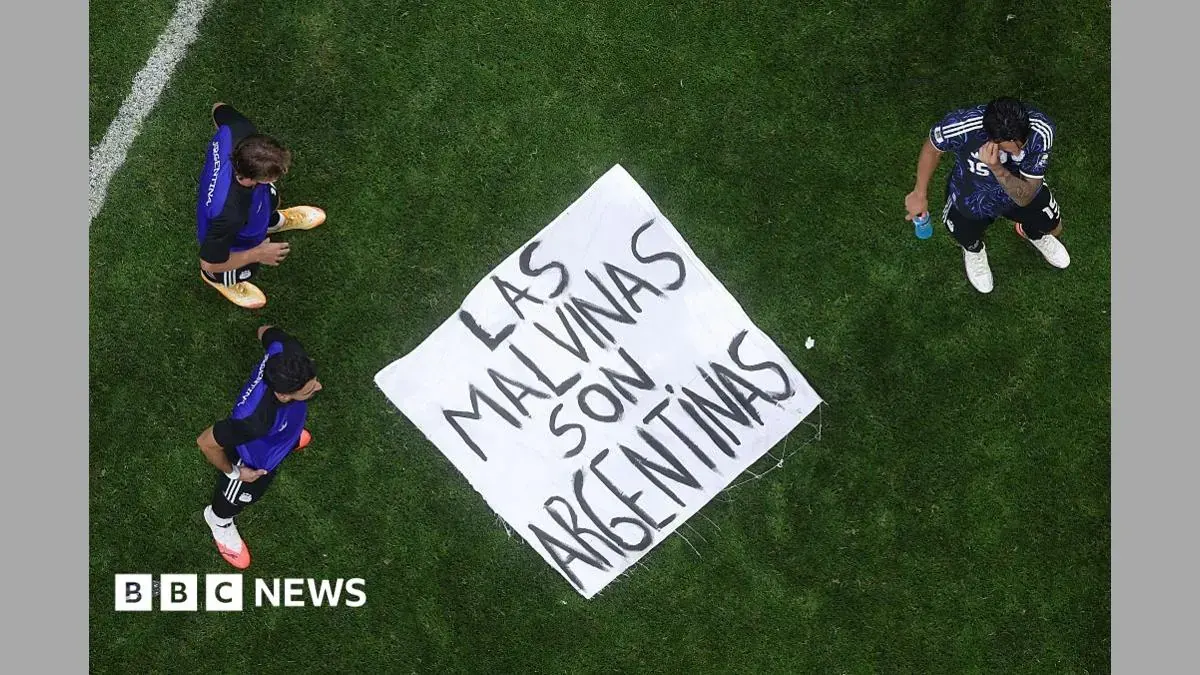
The White House has stated its belief in the right to free speech after the Argentinian football team displayed a banner referencing the Falkland Islands during their World Cup celebrations. The incident has led to potential disciplinary action from FIFA, which prohibits political statements in matches.
Andrew Giuliani, head of the White House FIFA task force, commented on Friday that the team had the “opportunity and ability to make those statements” within the United States. His remarks suggest a stance that aligns with the First Amendment rights observed in the US.
Por que importa
This intervention by the White House could intensify the ongoing dispute. Downing Street has previously supported calls for FIFA to investigate the matter. The Prime Minister’s official spokesperson stated, “The World Cup might not be ours, but the Falkland Islands definitely are. Our commitment to the Falklands will never waver.”
Key facts
| Fact | Detail |
|---|---|
| Incident | Argentina team displayed “Las Malvinas son Argentinas” banner |
| Location of banner | After World Cup win against England |
| Potential consequence | FIFA disciplinary action for political statement |
| White House stance | Defended team’s right to free speech |
| UK government stance | Supports FIFA investigation; reaffirms sovereignty over Falklands |
The Falkland Islands, a British overseas territory, are the subject of a long-standing sovereignty dispute between the UK and Argentina. The banner, translating to “The Falklands are Argentine,” directly addresses this claim.
The government of the Falkland Islands expressed disappointment but not surprise regarding the banner. A statement indicated hope that FIFA would sanction such behavior in line with its rules, adding, “We do not wish to see politics being brought into sport.”
In 2013, a referendum in the Falkland Islands saw an overwhelming majority vote to remain a UK overseas territory. Out of 1,517 votes cast, 1,513 were in favour, with only three against.
Argentina’s Vice President Victoria Villarruel also posted on social media platform X, stating, “The Falklands are Argentine,” alongside a video that appeared to show Argentine soldiers. She added that the team carries the islands “in our blood and our hearts.” Reports also indicate that Argentinian players sang chants referencing the Falklands and national football legends following their previous win against Egypt.
The historical context of the Falklands dispute includes a brief but significant war between Britain and Argentina in 1982, which resulted in military casualties on both sides and the deaths of three islanders.
The development matters to FootballGames10 readers as it highlights the intersection of international sports, political disputes, and the potential ramifications within global football governance. The incident brings attention to FIFA’s regulations regarding political expressions by teams and the differing national perspectives on territorial claims.
Source: BBC Sport Football, https://www.bbc.co.uk/news/articles/cx2rmjk0740o
Source
BBC Sport Football Original publication: 2026-07-17T22:12:54+00:00
Related news
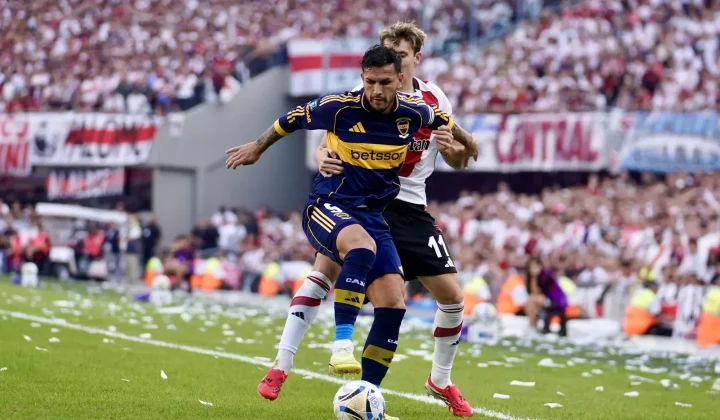
Boca vs River Superclásico Confirmed for November 1 at La Bombonera
The Argentine Professional League has set the date and time for the next Boca Juniors vs River Plate Superclásico, scheduled for Sunday,…
Read story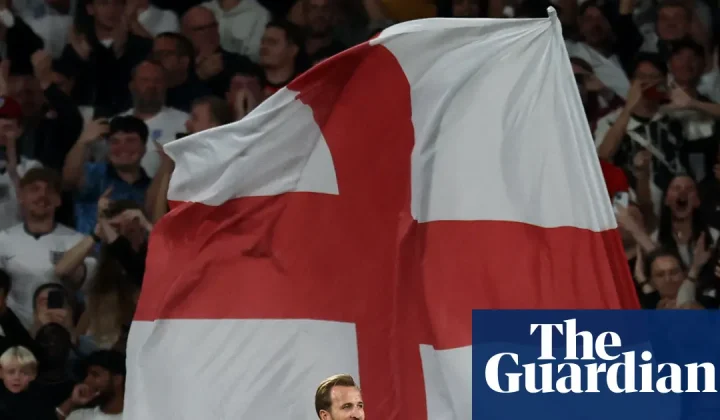
Harry Kane equals Peter Shilton’s England caps record with two goals in Nations League win over Czechia
Harry Kane scored twice on the night he equalled Peter Shilton’s all-time England appearance record, leading the Three Lions to a 3-0…
Read story
Jesse Marsch says Canada “not afraid” as USMNT friendly intensifies rivalry
Canada coach Jesse Marsch has welcomed the pressure of facing the United States, stating his team is “not afraid” as the two…
Read story
Scotland vs Slovenia: Nations League Group B1 Clash at Hampden Park
Scotland and Slovenia meet at Hampden Park in a pivotal Nations League Group B1 encounter, with both sides level on four points…
Read story