The ‘Dictator Mbappe’ Meme Phenomenon: Behind the Viral World Cup Sensation
A deep dive into the viral internet meme portraying Kylian Mbappe as a dictator, exploring its origins and the real-world implications during the FIFA World Cup.
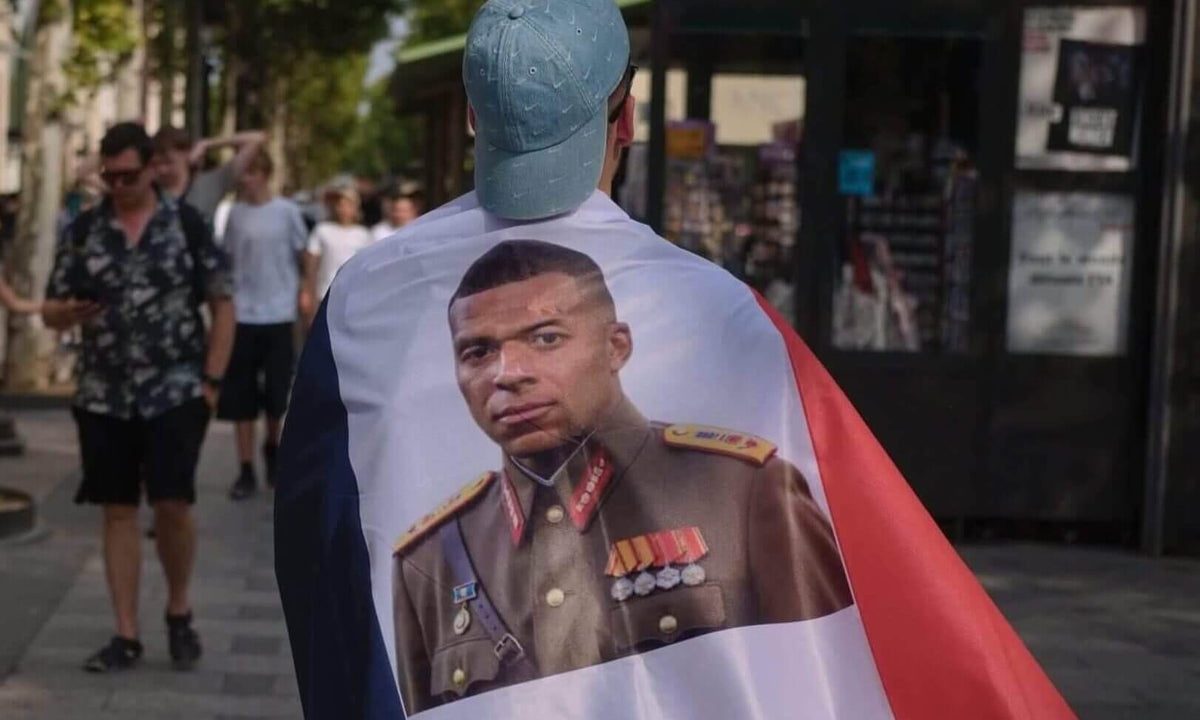
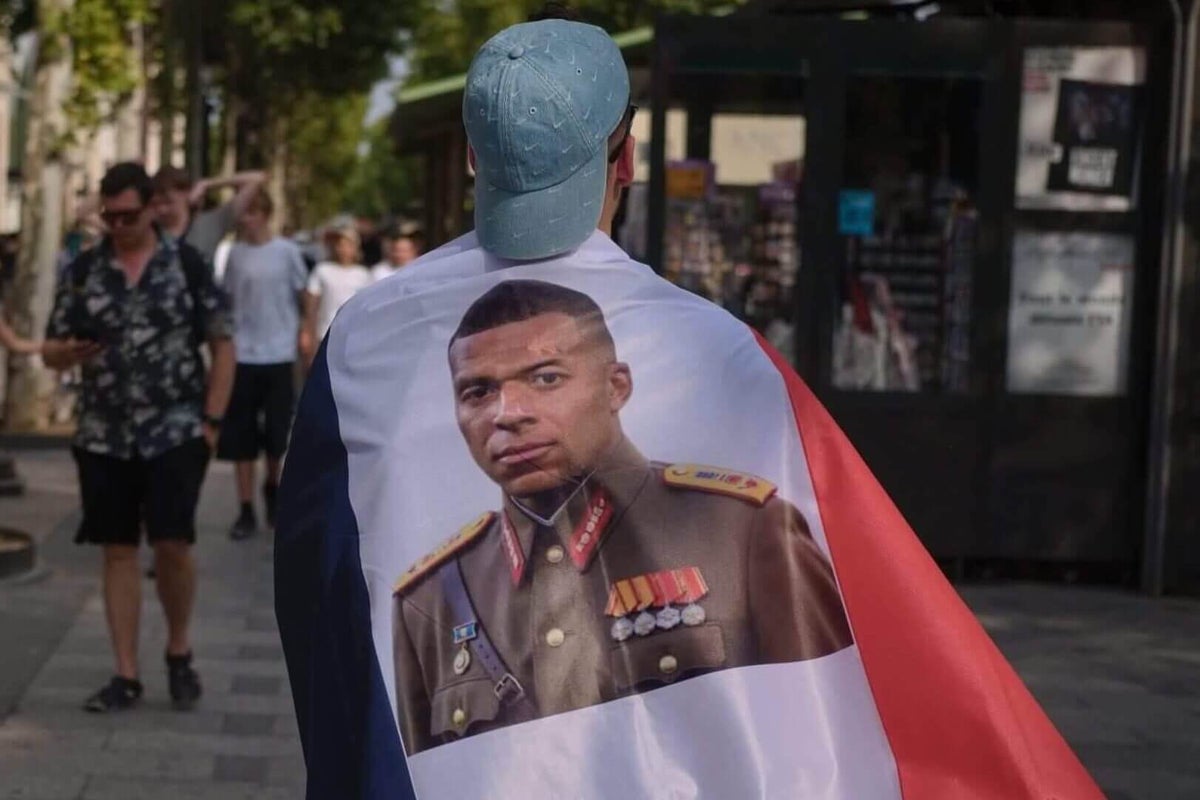
The FIFA World Cup 2026 has been a stage for incredible football, but also for a curious and pervasive online phenomenon: the “Dictator Mbappe” meme. This viral trend depicts the French superstar as an authoritarian figure, a narrative fueled by a blend of AI-generated content and interpretations of his on-field and off-field actions.
Origins of the Meme
The meme’s genesis is often traced back to a legal dispute in March 2024 involving Mohamed Henni, a Marseille kebab shop owner and online influencer. Henni received a letter from Mbappe’s lawyer demanding he cease using the player’s name in a kebab description that humorously referenced “Mbappe’s skull.” Henni’s subsequent social media posts, complaining that “Mbappe has turned his name into a dictatorship!”, quickly resonated with online audiences.
This coincided with accusations of Mbappe wielding significant influence at Paris Saint-Germain. Reports suggested he was promised a say in player recruitment and coaching appointments when signing a new contract. The departures of Neymar and Messi, along with past disputes over penalties and substitutions, were seen by some as evidence of his growing power.
AI-Generated Content
The meme’s visual spread has been significantly amplified by AI-generated content. Instagram accounts specializing in AI-driven, football-themed anime have produced videos depicting Mbappe in exaggerated scenarios. These include him acting as a decorated army general planning military assaults, sitting on a throne, or even having his face superimposed onto historical dictators like Joseph Stalin and Osama bin Laden. While often fictional, these creations tap into a perceived persona.
Real-World Parallels and Reactions
Beyond AI creations, some memes draw from actual events. Mbappe has been seen directing ground staff during pitch maintenance, instructing a referee to pass his captain’s armband, and receiving apparent acclaim from his coach, Didier Deschamps. These moments, amplified by the meme culture, contribute to the “dictator” narrative.
The phenomenon has become so prominent that even Deschamps felt compelled to address it. “Lots of people think that Kylian is a dictator, who only thinks about himself,” he commented to journalists. “But he’s exemplary as a captain and in everything that he does on the pitch.”
Fan Engagement and Merchandising
The “Dictator Mbappe” meme has transcended the digital realm. Street vendors in New York have been observed selling posters and pin badges featuring the meme. A notable instance involved a Paraguay fan wearing a T-shirt portraying Mbappe in a despotic mode during a World Cup match.
The meme’s prevalence has occurred during a historic World Cup for Mbappe, where he is in contention for individual accolades, further cementing his global profile. The meme offers a curious, often satirical, commentary on his intense focus and perceived influence, contrasting with his on-field brilliance.
Key facts
| Aspect | Detail |
|---|---|
| Meme Origin | Legal dispute with a kebab shop owner in March 2024 |
| AI Content | Videos depicting Mbappe as a general, ruler, etc. |
| Real-World Examples | On-field instructions, off-field influence reports |
| Fan Reaction | Memes, merchandise, fan attire |
| Coach’s Response | Didier Deschamps defended Mbappe’s captaincy |
The widespread nature of the “Dictator Mbappe” meme highlights how modern football culture intertwines with internet trends and AI capabilities. It serves as a complex form of fan engagement, reflecting perceptions of player power, personality, and the sometimes-unpredictable narratives that emerge around global sporting events.
Source: The Athletic Football – https://www.nytimes.com/athletic/7452619/2026/07/18/kylian-mbappe-dictator-meme/
Source
The Athletic Football Original publication: 2026-07-18T04:14:39+00:00
Related news
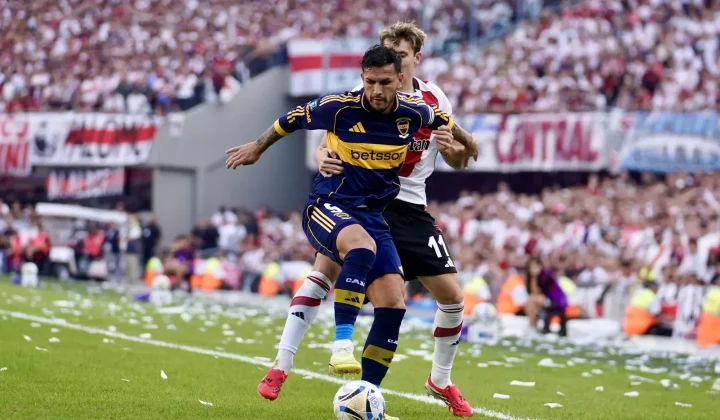
Boca vs River Superclásico Confirmed for November 1 at La Bombonera
The Argentine Professional League has set the date and time for the next Boca Juniors vs River Plate Superclásico, scheduled for Sunday,…
Read story
Harry Kane equals Peter Shilton’s England caps record with two goals in Nations League win over Czechia
Harry Kane scored twice on the night he equalled Peter Shilton’s all-time England appearance record, leading the Three Lions to a 3-0…
Read story
Jesse Marsch says Canada “not afraid” as USMNT friendly intensifies rivalry
Canada coach Jesse Marsch has welcomed the pressure of facing the United States, stating his team is “not afraid” as the two…
Read story
Scotland vs Slovenia: Nations League Group B1 Clash at Hampden Park
Scotland and Slovenia meet at Hampden Park in a pivotal Nations League Group B1 encounter, with both sides level on four points…
Read story