
La Masia’s Legacy: Messi and Yamal Headline Unprecedented World Cup Final
A historic World Cup final sees FC Barcelona's La Masia academy produce the star players for both Spain and Argentina, highlighting a unique achievement in the tournament's history.
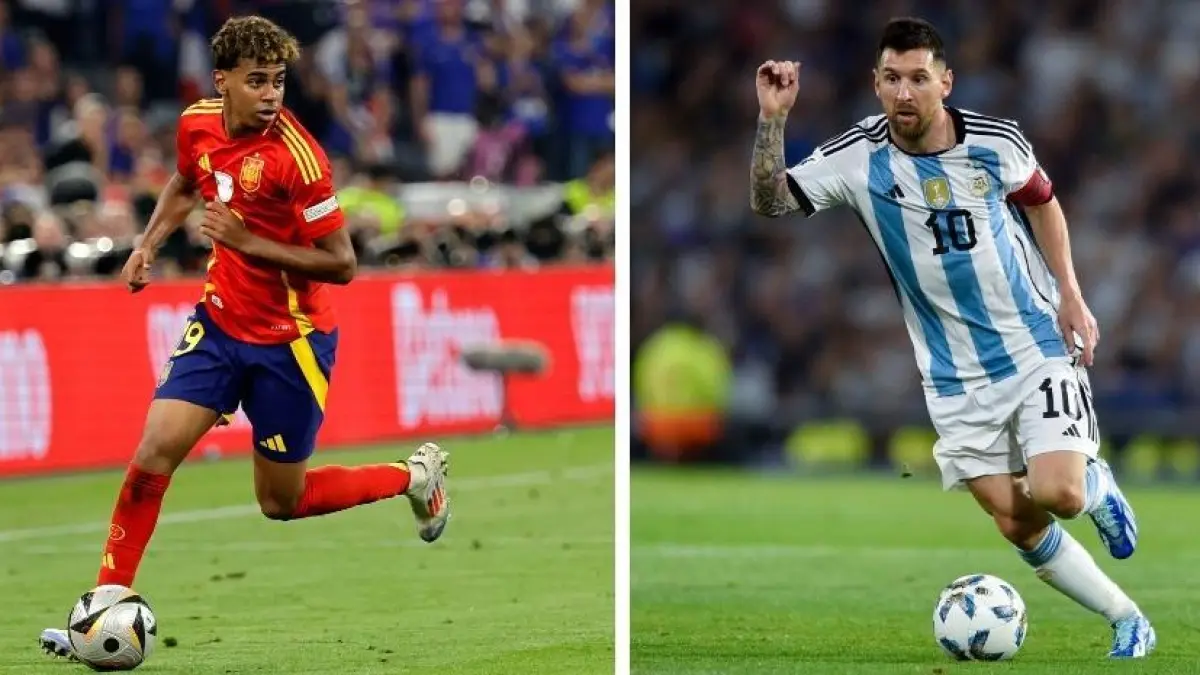
The 2026 FIFA World Cup final is set to etch a unique chapter in football history, with both of the showpiece match’s leading protagonists hailing from the famed La Masia academy of FC Barcelona. This Sunday, July 19, 2026, will see Lionel Messi, the legendary figure of Argentina, and Lamine Yamal, the emerging sensation for Spain, face each other, both having honed their skills under Barcelona’s tutelage.
This occurrence marks the first time in the 96-year history of the World Cup finals that the two paramount stars of the competing nations have emerged from the same club’s youth system. The vast 20-year age gap between Yamal, 19, and Messi, 39, only amplifies the remarkable nature of this achievement for FC Barcelona.
La Masia’s Enduring Influence
FC Barcelona’s academy, La Masia, has long been recognized as a globally significant incubator of footballing talent. The club’s legacy includes nurturing 13 Ballon d’Or winners, and now, it can add this unparalleled World Cup final distinction to its storied past. Lamine Yamal, who joined Barça in 2014 at the age of seven, and Lionel Messi, who arrived at 13 from Newell’s Old Boys, represent the pinnacle of La Masia’s success.
Yamal has quickly risen to become one of the planet’s most talked-about young talents, while Messi continues to solidify his status as the greatest player in the sport’s history. Their shared origin story underscores the profound and lasting impact of FC Barcelona’s developmental philosophy.
Historical Parallels in World Cup Finals
While no previous final has featured the main stars from both teams originating from a single club, the history of World Cup finals is replete with individual brilliance and club connections.
The inaugural 1930 final saw Uruguay’s captain, José Nasazzi, developed at Lito before shining with Nacional. Héctor Scarone, another Uruguayan star, also had a spell at Barcelona. Argentina’s runner-up featured Guillermo Stábile, who rose to prominence at Atlético Huracán.
In 1934, Italy’s Giuseppe Meazza, a legend of Inter Milan, led his side to victory, while Czechoslovakia’s star was Oldřich Nejedlý of Sparta Prague. The 1938 final again saw an Italian triumph led by Meazza, facing Hungary’s Gyorgy Sárosi, a lifelong Ferencváros player.
Post-World War II finals continued to showcase talent developed at various clubs. The 1950 final, memorable for the “Maracanazo,” featured Uruguay’s Juan Alberto Schiaffino (Peñarol) and Alcides Ghiggia (Peñarol), alongside Brazil’s Ademir de Menezes (Vasco da Gama).
Germany’s first title in 1954 was captained by Fritz Walter of 1. FC Kaiserslautern, facing a formidable Hungarian side led by Ferenc Puskás, who later became a Real Madrid icon.
The 1958 and 1962 tournaments belonged to Brazil, with Pelé (Santos) and Garrincha (Botafogo) dazzling the world. Czechoslovakia’s Josef Masopust (Dukla Prague) was a standout in 1962. England’s 1966 triumph was spearheaded by Bobby Charlton (Manchester United) and Bobby Moore (West Ham United). Germany’s Uwe Seeler (Hamburger SV) was a prominent figure in that era. Pelé’s final World Cup appearance in 1970 marked the end of an era for the Brazilian icon.
Key Facts
| Detail | Information |
|---|---|
| Event | 2026 FIFA World Cup Final |
| Featured Players | Lionel Messi (Argentina), Lamine Yamal (Spain) |
| Common Origin | La Masia Academy, FC Barcelona |
| Historical Significance | First World Cup final where both main stars are from the same club |
| Age Difference | Lamine Yamal (19), Lionel Messi (39) |
This unique convergence of talent at the World Cup’s climax, with both Lionel Messi and Lamine Yamal representing the product of FC Barcelona’s La Masia, serves as a powerful testament to the academy’s enduring global influence on the sport. For fans of football, and particularly for followers of FC Barcelona, this final represents a moment of profound pride and a historic milestone in the journey of football development.
Source: Mundo Deportivo Futbol – https://www.mundodeportivo.com/futbol/fc-barcelona/20260719/1004207921/final-mundial-vista-dos-cracks-crecidos-club.html
Source
Mundo Deportivo Futbol Original publication: 2026-07-19T05:00:00+00:00
Related news
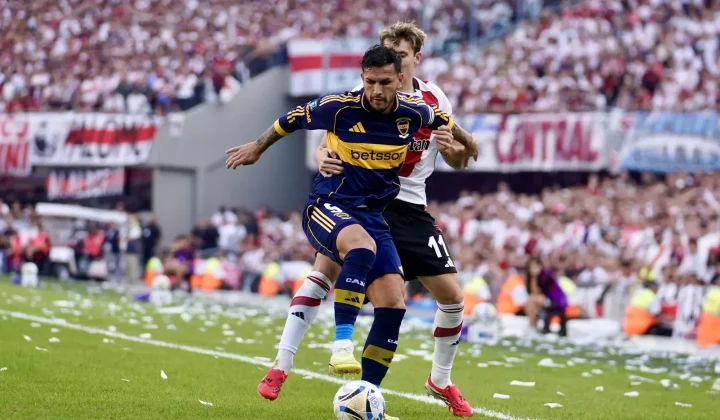
Boca vs River Superclásico Confirmed for November 1 at La Bombonera
The Argentine Professional League has set the date and time for the next Boca Juniors vs River Plate Superclásico, scheduled for Sunday,…
Read story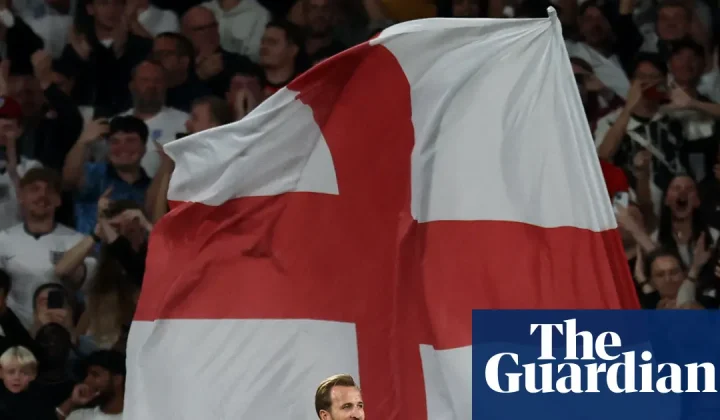
Harry Kane equals Peter Shilton’s England caps record with two goals in Nations League win over Czechia
Harry Kane scored twice on the night he equalled Peter Shilton’s all-time England appearance record, leading the Three Lions to a 3-0…
Read story
Jesse Marsch says Canada “not afraid” as USMNT friendly intensifies rivalry
Canada coach Jesse Marsch has welcomed the pressure of facing the United States, stating his team is “not afraid” as the two…
Read story
Scotland vs Slovenia: Nations League Group B1 Clash at Hampden Park
Scotland and Slovenia meet at Hampden Park in a pivotal Nations League Group B1 encounter, with both sides level on four points…
Read story