
AFC and Concacaf join UEFA in opposing FIFA’s private investment plan
Two more confederations have publicly rejected FIFA's proposal to create a private company to manage its top competitions, citing lack of consultation and governance concerns.
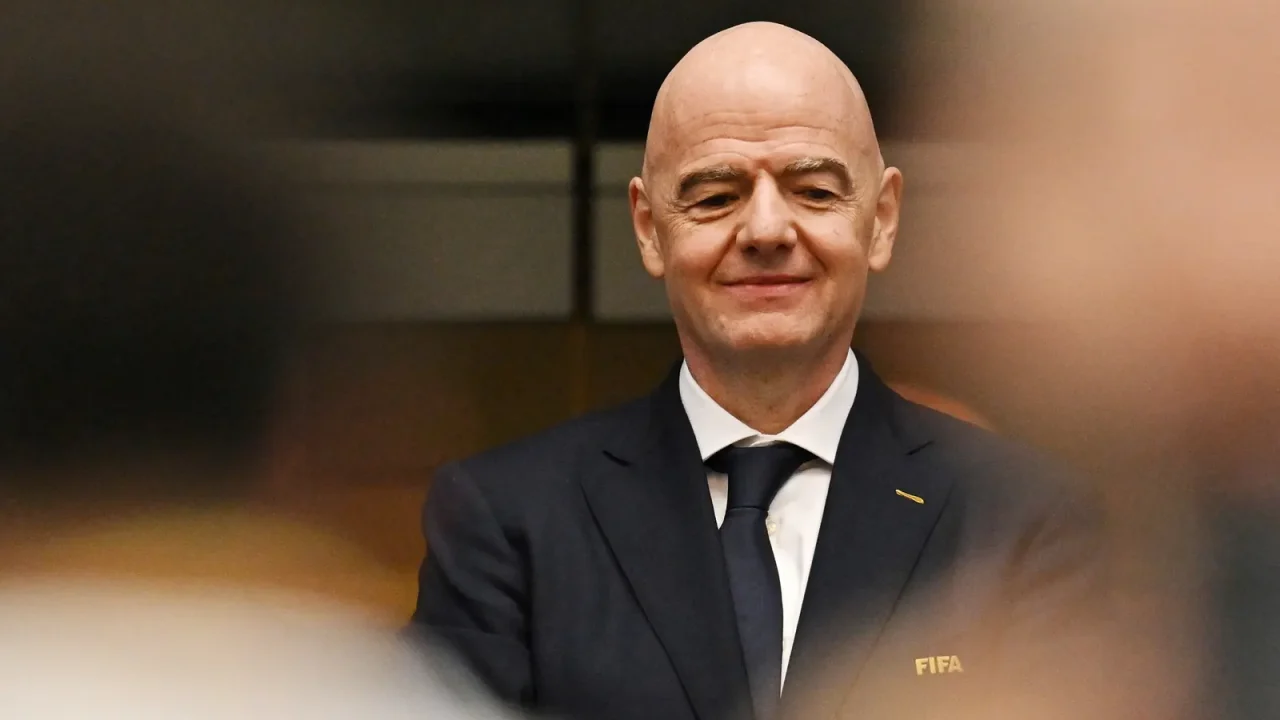
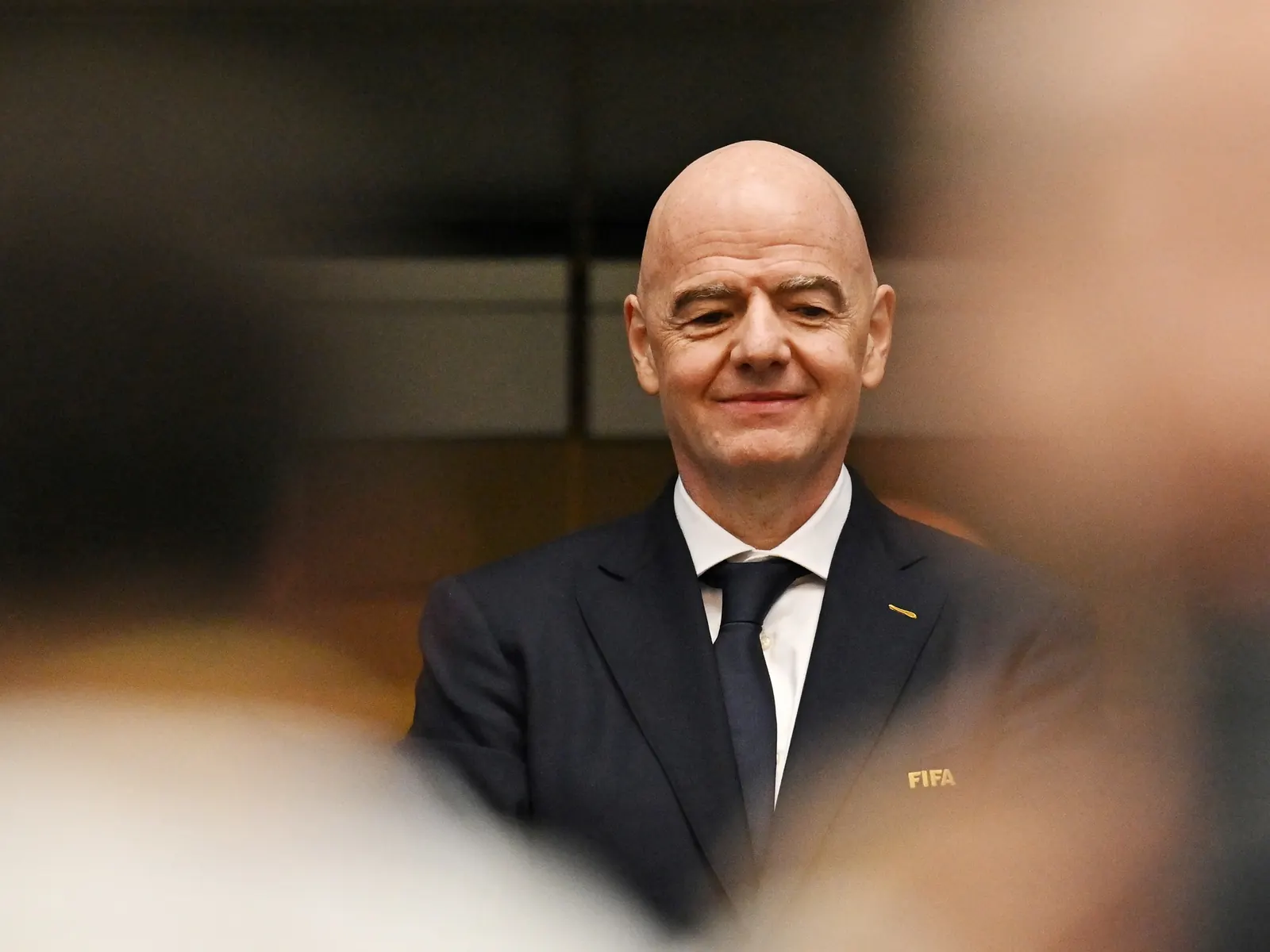
The conflict over FIFA’s plan to set up a private company to manage its major competitions has deepened. The Asian Football Confederation (AFC) and Concacaf have both issued statements expressing disappointment and concern over the proposal, which they say was developed without consulting them.
The scheme, named FIFA Forward Enterprise (FFE), was announced by FIFA president Gianni Infantino. It aims to create a separate commercial entity that would handle the marketing and broadcasting rights of tournaments such as the World Cup. FIFA argues the move would generate more revenue for reinvestment in global football development.
But the reaction from the confederations has been swift and negative. UEFA was the first to speak out earlier this week, stating that “none of us owns football” and that FIFA cannot sell the sport. Now the AFC and Concacaf have added their voices.
What the AFC and Concacaf said
The AFC released a statement noting that it had not been consulted before the proposal was made public. “The AFC was not consulted on this proposal and expresses its disappointment that a matter of such significance has entered the public domain before the AFC family had the opportunity to review and discuss it through the proper and established governance channels,” the statement read.
The Asian body emphasised that major initiatives must be grounded in “good governance, transparency and meaningful consultation.” It called for all stakeholders to have sufficient time to evaluate the proposal’s legal, commercial and strategic implications.
Concacaf’s statement was even more direct. “Concacaf was only made aware of this matter through media reports and, subsequently, via a media release,” the confederation said. “We are deeply concerned by the lack of due process.”
The governing body for North and Central America and the Caribbean added that it shares the disappointment of many in the region about the way the proposal has been handled. “As leaders in football, we are the custodians of the sport,” the statement continued. “Collectively, FIFA, the Confederations and each Member Association have a responsibility to always act in the best interests of the sport.”
FIFA’s position and the financial offer
FIFA has confirmed that the creation of FIFA Forward Enterprise would require approval from all 211 member associations. According to the world body, the plan would allow for better commercial exploitation of its competitions and generate higher income.
As part of the proposal, FIFA has promised that if the plan is approved, each national association would receive an additional $20 million in special project funding under a new FIFA Fast-Forward Program (FFFP). This would be on top of $20 million already allocated through the existing FIFA Forward programme for the 2027-2030 cycle — a significant increase from the $8 million initially planned for that period.
Critics, however, argue that the financial incentives are being used to push through a structural change that hands control of the sport’s most valuable assets to a private company. The confederations’ statements suggest that they see the proposal as a threat to the collective governance model that has traditionally governed football.
Key facts
| Fact | Detail |
|---|---|
| What is proposed | FIFA Forward Enterprise (FFE) – a private company to manage FIFA’s top competitions and commercial rights |
| Who opposes it | UEFA, AFC, Concacaf – three of six confederations |
| Finance offered | $20M per association via Fast-Forward Program + $20M Forward cycle 2027-2030 (up from $8M) |
| Next step | Proposal requires approval from 211 member associations |
Why this matters for football governance
The current dispute is not just about a single business deal. It touches on the fundamental question of who controls the sport’s commercial future. FIFA’s argument is that a dedicated private entity can unlock more value and distribute it more widely, especially to smaller federations that often struggle for funding.
The confederations, however, see a different risk: that decision-making power would shift from the member associations and confederations to a private company whose primary duty is to its shareholders. This could change the balance of power in international football, leaving confederations with less influence over their own competitions.
For fans and observers, the conflict also raises questions about transparency. The AFC and Concacaf both noted that they learned about the proposal from the media, not from FIFA. This is particularly sensitive given FIFA’s history of governance scandals and its promise to reform after the corruption crises of the 2010s.
What happens next
FIFA has said the proposal will be put to its 211 members for a vote. But with three confederations already publicly opposed, and others likely to share their concerns, the outcome is uncertain. The Confederation of African Football (CAF) and the Oceania Football Confederation (OFC) have not yet commented. If they also side with the critics, Infantino may struggle to secure the required majority.
The timing of the vote has not been announced. In the meantime, the public rift between FIFA and its confederations is likely to dominate the football governance agenda for weeks to come. The issue will be closely watched by anyone interested in how the sport’s money and power are distributed.
Source: Ole – Se suman a la UEFA: AFC y Concacaf se plantaron contra la FIFA por el proyecto de inversión privada (https://www.ole.com.ar/futbol-internacional/respuesta-afc-concacaf-fifa-infantino-empresa-privada-gianni-polemica-conflicto_0_kNKpygs9O1.html)
Source
Ole Original publication: 2026-07-29T21:25:18+00:00
Related news

Harry Kane equals Peter Shilton’s England caps record with two goals in Nations League win over Czechia
Harry Kane scored twice on the night he equalled Peter Shilton’s all-time England appearance record, leading the Three Lions to a 3-0…
Read story
Jesse Marsch says Canada “not afraid” as USMNT friendly intensifies rivalry
Canada coach Jesse Marsch has welcomed the pressure of facing the United States, stating his team is “not afraid” as the two…
Read story
Scotland vs Slovenia: Nations League Group B1 Clash at Hampden Park
Scotland and Slovenia meet at Hampden Park in a pivotal Nations League Group B1 encounter, with both sides level on four points…
Read story
Padres Turn to Robbie Ray for NLDS Game 1 Start as Walker Buehler Goes on Paternity List
San Diego Padres manager Craig Stammen named Robbie Ray the starter for Game 1 of the NL Division Series against Milwaukee after…
Read story