
Argentina’s 2026 World Cup Final Loss Echoes 1990 Defeat in Lopsided Display
Argentina's recent 2026 World Cup final defeat to Spain, a 1-0 extra-time loss, has drawn stark parallels to their 1990 final against West Germany, highlighting two of the nation's most one-sided final performances.
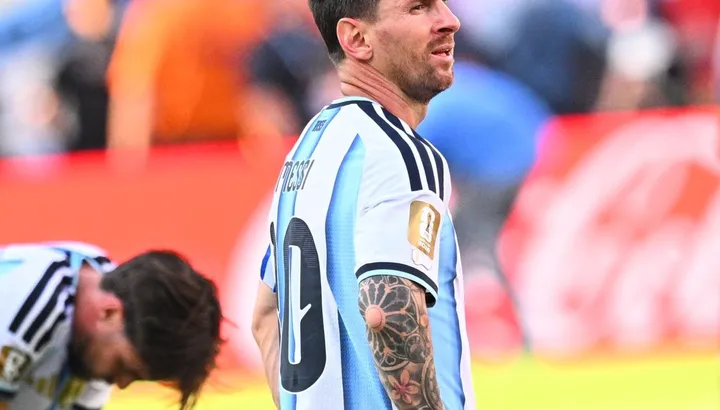
Argentina’s recent 1-0 extra-time defeat to Spain in the 2026 World Cup final has been critically analyzed, revealing a striking resemblance to their 1990 final loss against West Germany. Both matches are now being highlighted as arguably Argentina’s most lopsided World Cup final performances, characterized by a dominant opponent and a notable absence of offensive threat from the South American side.
The 2026 final saw Spain control proceedings from the outset, eventually securing a 1-0 victory in extra time. Despite the narrow scoreline, the match was far from balanced, with Spain dictating play in every phase. This dominance led to Argentina going 117 minutes without a shot, only managing a single attempt after falling behind.
A Historical Echo from 1990
The parallels to the 1990 final against West Germany are pronounced. In that match, Argentina, then reigning champions from 1986, offered minimal attacking threat against a dominant West German side at the Stadio Olimpico in Rome. West Germany registered 23 shots to Argentina’s solitary effort over 90 minutes. This historical context underscores the severity of Argentina’s 2026 performance.
Key facts:
| Match | Year | Opponent | Score | Argentina Shots | Opponent Shots | Red Cards (ARG) |
|---|---|---|---|---|---|---|
| World Cup Final | 1990 | West Germany | 0-1 | 1 | 23 | 2 |
| World Cup Final | 2026 | Spain | 0-1 | 1 | 20 | 1 |
Maradona and Messi: Different Contexts, Similar Outcomes
The roles of Argentina’s iconic number tens, Diego Maradona in 1990 and Lionel Messi in 2026, also present an interesting comparison. Maradona, following his immortal 1986 campaign, arrived at the 1990 final amidst controversy and a hostile crowd, struggling to impact the game. Messi, conversely, had an exceptional 2026 World Cup, surpassing his 2022 performance and breaking the all-time World Cup scoring record before the final. Yet, in the decisive match, both players found themselves on a team unable to mount a significant challenge.
Defensive Struggles and Disciplinary Issues
Both finals were characterized by Argentina’s defensive posture and disciplinary problems. The 1990 final was a defensive arm-wrestle with 19 Argentine fouls and two red cards, reducing them to nine men. The deciding penalty for West Germany came late in the game, highlighting Argentina’s inability to threaten and their hope for a shootout. In 2026, Argentina also received a red card (Enzo Fernandez for two yellows), though it came late and did not alter Spain’s established dominance.
Scaloni’s tactical adjustments in 2026 proved ineffective against Spain’s patient possession and ability to bypass Argentina’s high press. Spain’s control was so complete that Argentina was forced to reorganize tactically multiple times throughout the match, resulting in a poor overall performance. While Spain needed 20 shots to score a single goal, indicating some inefficiency, their overall control and the lack of Argentine threat mirrored the 1990 encounter.
The 2026 World Cup final for Argentina, following an arduous knockout campaign, marked the point where their fortune ran out, coinciding with one of Lionel Messi’s least impactful games in the tournament.
Source: Sports Mole Football RSS https://www.sportsmole.co.uk/football/argentina/world-cup-2026/feature/argentina-produced-their-worst-world-cup-final-since-their-own-runners-up-finish-in-1990_601501.html
Source
Sports Mole Football RSS Original publication: 2026-07-20T00:35:06+00:00
Related news
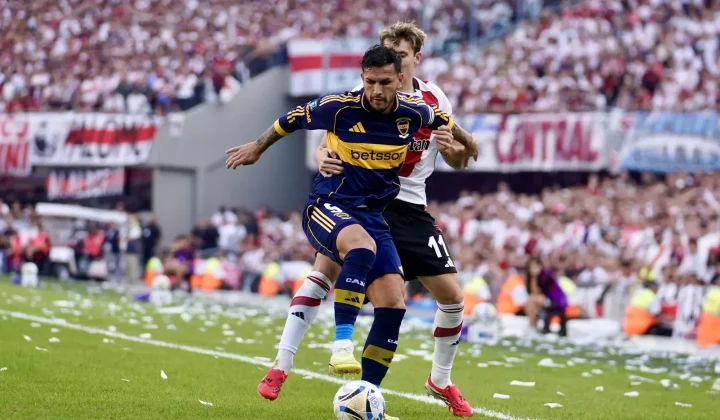
Boca vs River Superclásico Confirmed for November 1 at La Bombonera
The Argentine Professional League has set the date and time for the next Boca Juniors vs River Plate Superclásico, scheduled for Sunday,…
Read story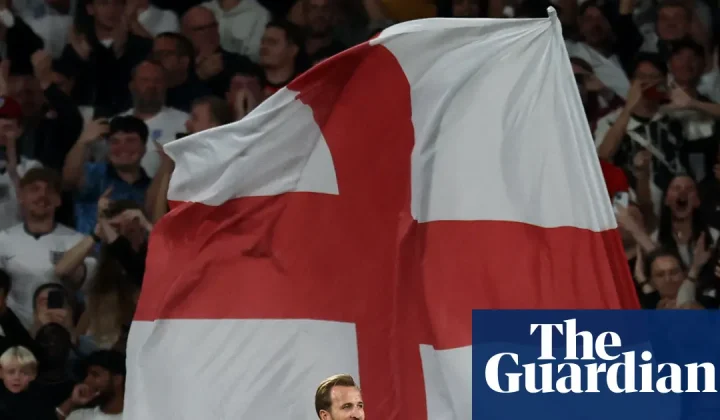
Harry Kane equals Peter Shilton’s England caps record with two goals in Nations League win over Czechia
Harry Kane scored twice on the night he equalled Peter Shilton’s all-time England appearance record, leading the Three Lions to a 3-0…
Read story
Jesse Marsch says Canada “not afraid” as USMNT friendly intensifies rivalry
Canada coach Jesse Marsch has welcomed the pressure of facing the United States, stating his team is “not afraid” as the two…
Read story
Scotland vs Slovenia: Nations League Group B1 Clash at Hampden Park
Scotland and Slovenia meet at Hampden Park in a pivotal Nations League Group B1 encounter, with both sides level on four points…
Read story