
AS Monaco Must Raise €150m in Sales After DNCG Imposes Spending Cap
Monaco’s owner Dmitri Rybolovlev has stopped injecting personal funds, forcing the club to sell €150m worth of players this summer while cutting the wage bill by 20%. We examine the financial squeeze and what it means for the rebuild under new coach Filipe Luis.
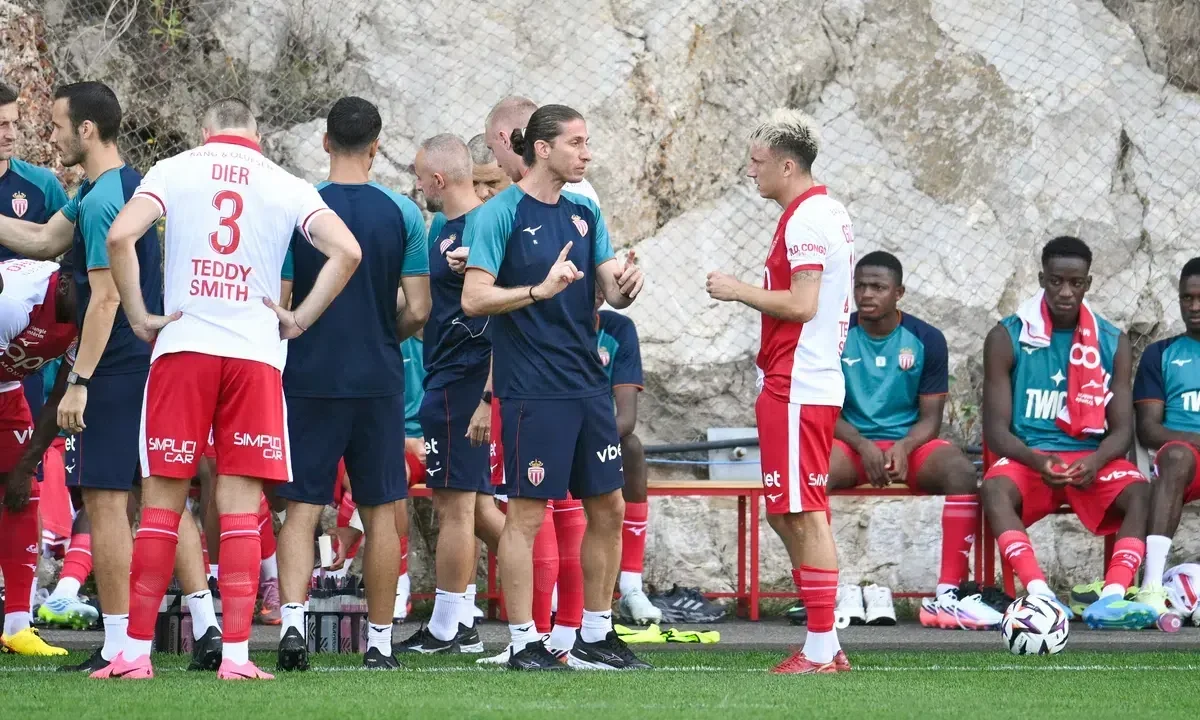
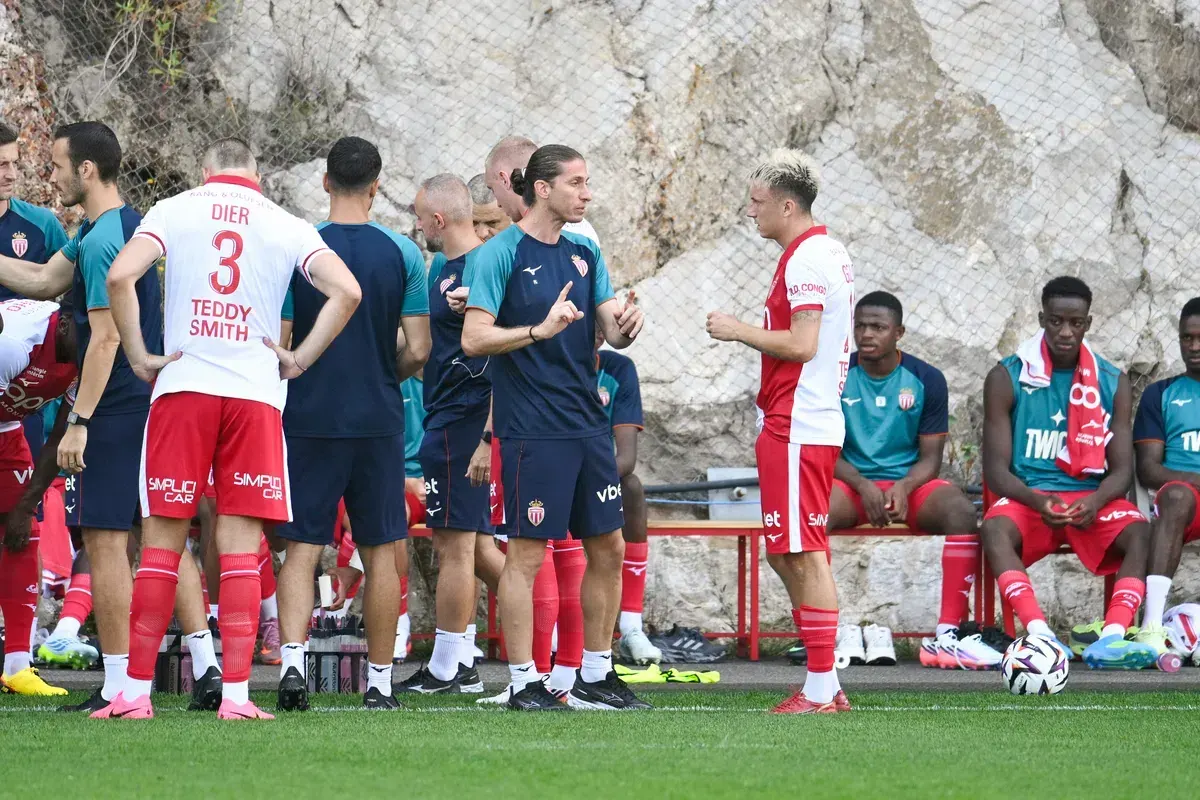
AS Monaco, a club based in one of Europe’s wealthiest city-states, is suddenly being forced to sell. The French financial watchdog DNCG imposed a spending cap on the Ligue 1 side last month, and the club must raise approximately €150 million in player sales this summer to balance its books. The pressure comes from owner Dmitry Rybolovlev, who has decided to stop pumping his own money into the club and wants it to become financially self-sufficient.
The DNCG ruling and the spending cap
The DNCG, the body that monitors the finances of French football clubs, has placed a ceiling on Monaco’s total player compensation. The exact figure has not been disclosed, but the club’s management has been told to reduce the overall payroll by 20% before the end of the transfer window. According to a report by L’Équipe, the measures are linked to Monaco’s failure to meet the DNCG’s solvency requirements after two years without fresh capital injections from Rybolovlev.
The Russian billionaire, who bought the club in 2011, has funded significant losses in the past, but he now believes the club should operate on its own revenue. That stance has left general director Thiago Scuro and technical director Carlos Avina with a difficult balancing act: generate cash through sales, cut the wage bill, and still put together a squad capable of improving on last season’s disappointing seventh-place finish.
Why Rybolovlev is stepping back
Rybolovlev’s decision is not a reflection of a lack of personal wealth. He remains a multi-billionaire, but his approach has shifted. The club must now prove it can sustain itself without relying on owner subsidies. Scuro, who has faced criticism from Monaco’s own supporters in recent months, retains Rybolovlev’s confidence largely because of his track record in negotiating player sales.
Scuro already demonstrated that skill this summer by selling Brazilian left-back Caio Henrique to Ajax and earlier by moving Aladji Bamba to Newcastle United for €41.5 million. Those deals helped keep the club afloat in the short term, but the current target is far larger: €150 million in total outgoings.
Players on the market: Akliouche, Dier, Balogun and others
The most high-profile potential departure is Maghnes Akliouche. The France Under-21 midfielder is reportedly close to joining Paris Saint-Germain, with a bid of €50 million being prepared. Akliouche has been a key creative force for Monaco, and his sale would bring in the largest single fee.
Several other first-team players have been placed on the transfer list. Folarin Balogun, the American striker, and Lamine Camara, the Senegalese midfielder, are both available. But the most urgent case is Eric Dier. The English defender, who joined from Tottenham last year, is said to earn more than €300,000 per month. That compensation no longer fits the club’s reduced financial structure, and Monaco is actively seeking to move him on.
The club’s management is also prepared to listen to offers for other high-earners. The goal is not only to meet the DNCG’s immediate demands but also to create a sustainable wage structure for the future.
The challenge of rebuilding under Filipe Luis
Monaco’s sporting situation is just as delicate. After finishing seventh in Ligue 1 last season, the club missed out on European competition entirely. New head coach Filipe Luis, the former Brazil and Atlético Madrid left-back, has been tasked with restoring the team to the top four and competing for a Champions League spot.
Luis inherits a squad that is likely to lose several key players. Scuro and Avina must find a way to bring in enough revenue while keeping enough quality to be competitive. The club’s academy is one of the best in France, and young talents such as Eliesse Ben Seghir could be given more responsibility. But the market is also being used to identify value replacements.
The Stade Louis II, once a venue for big signings, is now a place where the emphasis is on cost control. For Monaco, this summer is not about luxury. It is about survival – financial and sporting.
Key facts
ItemDetail
DNCG-imposed spending capYes, placed last month
Required player salesApproximately €150 million
Wage bill reduction target20%
Owner fundingRybolovlev stopped injecting personal funds two years ago
Highest-profile sale targetMaghnes Akliouche (expected €50m to PSG)
New head coachFilipe Luis (appointed for 2026-27 season)
What this means for the club’s future
Monaco’s situation is a test of whether a club in a wealthy principality can operate without direct owner subsidies. If the sales are executed well and the squad is rebuilt intelligently, the club could emerge leaner but stronger. If the departures weaken the team too much, the risk is another mid-table finish and a longer absence from European football.
For now, the focus is on the next few weeks of the transfer window. The decisions made by Scuro and Avina will determine whether Monaco can navigate this financial storm and return to the Ligue 1 elite.
Source: Voetbal International, “Waarom AS Monaco ineens op de centen moet letten” (https://www.vi.nl/nieuws/waarom-as-monaco-ineens-op-de-centen-moet-letten)
Datos clave
| Punto | Detalle |
|---|---|
| Fuente | Voetbal International |
| Fecha | 2026-07-26T12:39:56+00:00 |
| Tema | Waarom AS Monaco ineens op de centen moet letten |
Source
Voetbal International Original publication: 2026-07-26T12:39:56+00:00
Related news
AC Milan name 33-man squad for Inter and Chelsea friendlies
AC Milan have announced a 33-player squad for their pre-season friendlies against Inter and Chelsea in Australia and Indonesia. The list includes…
Read story
Inter Miami’s German Berterame Conscious in Hospital After Head Collision, Coach Confirms
Inter Miami forward German Berterame is conscious and recovering in hospital after a violent aerial collision in Saturday's MLS match against Montreal,…
Read story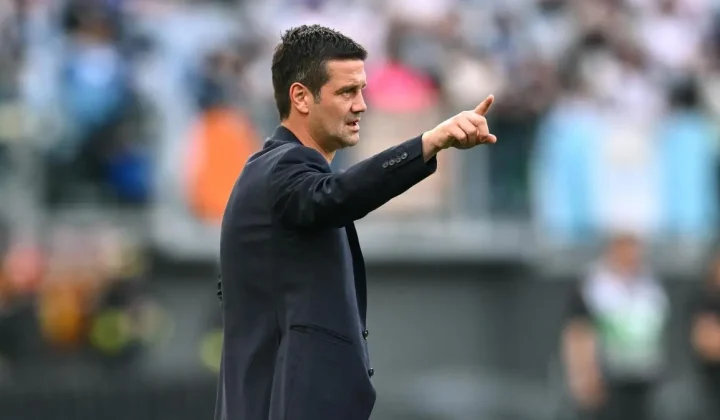
Serie A Pre-Season Friendlies: Inter Face First Real Test, Roma and Napoli Also in Action
Six Serie A sides take the field today in pre-season friendlies, with Inter facing Karlsruher in their first real test, while Roma,…
Read story
Xabi Alonso Targets Álvaro Carreras Reunion at Chelsea as Real Madrid Seek Squad Space
Real Madrid left-back Álvaro Carreras is a reported target for Chelsea manager Xabi Alonso, who coached him at the Bernabéu. The move…
Read story