Concacaf’s 41 Members Reject FIFA Private Investment Plan, Cite ‘Profound Concern’ Over Process
Concacaf and its 41 member associations have formally opposed FIFA’s proposal to create a private investment vehicle for World Cup financing, citing lack of due process and an artificially short timeline.
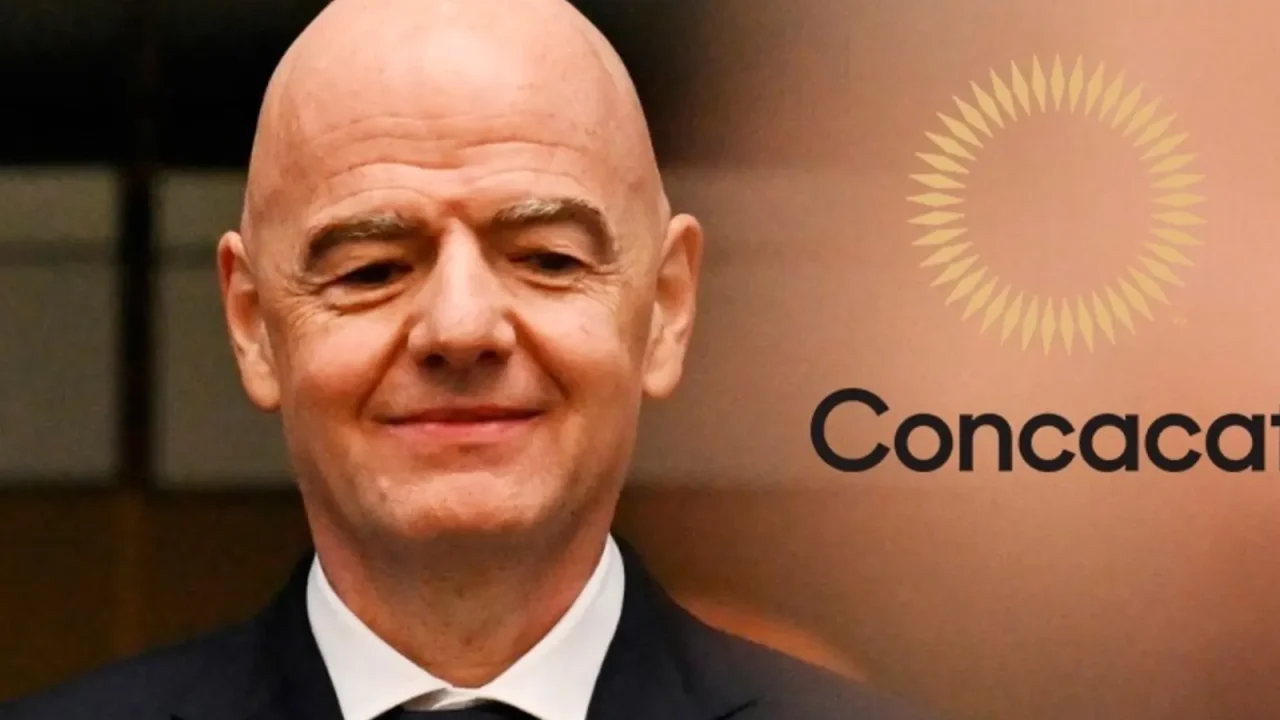
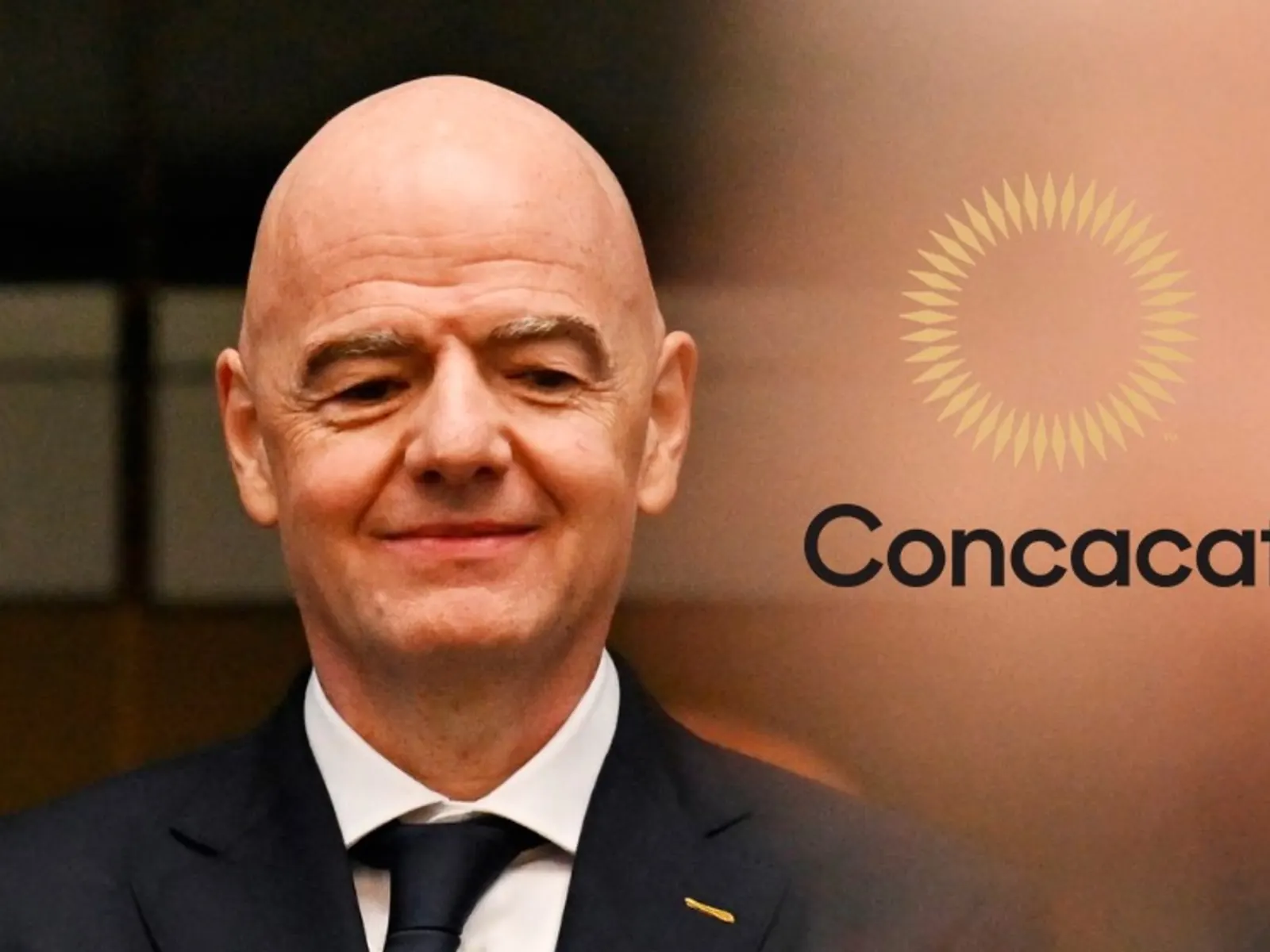
Concacaf has become the second major confederation to publicly reject FIFA President Gianni Infantino’s proposal to create a private investment entity that would manage and finance key FIFA competitions. In a statement released on July 30, 2026, the confederation for North America, Central America and the Caribbean said its 41 member associations had “expressed a profound concern” over the lack of proper process surrounding the proposal.
The move follows a similar declaration from UEFA earlier the same day, which announced that its member associations would boycott FIFA tournaments if Infantino pushed ahead with “FIFA Forward Enterprise.” The back-to-back rebukes represent the most serious governance challenge to FIFA’s leadership in years and raise questions about the future of the world governing body’s commercial strategy.
Concacaf’s Extraordinary Meeting
Concacaf convened an extraordinary meeting of the presidents of its 41 member associations, along with its own president, council members and FIFA Council representatives, to discuss the proposal. The confederation’s statement, released in both English and Spanish, detailed the outcome of the meeting.
The members “expressed a profound concern about the lack of a due process around the proposal, the artificially short timeline imposed to make a decision, and the absence of a review or approval from FIFA’s competent governance bodies,” the statement read. They also “questioned the necessity of resorting to private capital investments to finance new and existing FIFA Forward programs, especially after the most profitable FIFA World Cup in history.”
Concacaf reiterated that the long-term future of football must remain in the hands of the football family. The statement concluded with a reaffirmation of its commitment to transparent governance and responsible stewardship.
Key Facts at a Glance
| Element | Detail |
|---|---|
| Confederations opposing the plan | UEFA (55 associations), Concacaf (41 associations) |
| Main grievances | Lack of due process, artificially short deadline, no governance review, no need for private capital after record World Cup revenue |
| Proposed FIFA structure | “FIFA Forward Enterprise” – a private company to take ownership stakes in World Cup and other competitions |
| Timing of statements | July 30, 2026, following the 2026 FIFA World Cup |
| Next formal test | FIFA Council meeting, expected within weeks |
UEFA’s Stance and the Growing Opposition
Earlier on the same day, UEFA announced that its member associations would support a boycott of FIFA competitions if Infantino proceeded with the private investment plan. UEFA’s statement was unusually blunt, describing the proposal as a threat to the sport’s independence. UEFA’s position carries significant weight because it represents the most commercially powerful block of federations and controls the majority of top national teams.
The combined opposition from Europe and the Americas means that more than 90 of FIFA’s 211 member associations have now formally expressed reservations or outright opposition to the plan. The Asian Football Confederation (AFC) has also signaled concerns, though it has not yet issued a formal statement. The growing pressure suggests that Infantino faces a struggle to secure the necessary support.
Why This Matters for Football Fans
The dispute is not merely a bureaucratic squabble. If FIFA proceeds with the private investment vehicle, it could permanently change how the World Cup and other tournaments are financed and governed. Critics argue that selling stakes to private investors would reduce the influence of member associations and prioritise profit over the development of the game. Supporters of the plan, including Infantino, have argued that private capital is needed to fund expanded competitions and development programmes.
For regular followers of international football, the outcome of this conflict will determine whether the World Cup remains a competition governed by football’s traditional bodies or becomes a commercially driven product. The timeline for a decision remains unclear, but the combined opposition from UEFA and Concacaf makes it unlikely that the proposal will pass without significant changes.
What Remains Unclear
Neither Concacaf nor UEFA has explicitly threatened a boycott of FIFA tournaments, though UEFA’s statement came close. The exact content of the FIFA Forward Enterprise proposal – including the percentage of World Cup equity to be sold and the identity of potential investors – has not been publicly disclosed. It is also unknown whether the FIFA Council will vote on the plan at its next meeting or whether Infantino will withdraw or modify the proposal in response to the backlash.
Next Steps
Concacaf’s statement makes clear that the confederation will not accept the plan in its current form. The next FIFA Council meeting, expected in the coming weeks, will be the first formal test of support within the governing body. Until then, both sides are likely to continue lobbying undecided federations. Fans and observers can watch for further statements from the AFC, CAF (Africa) and OFC (Oceania) in the coming days.
Source: Ole – “La Concacaf también se le plantó a Infantino: el tajante comunicado contra la FIFA” (https://www.ole.com.ar/futbol-internacional/concacaf-planto-infantino-tajante-comunicado-fifa_0_PXf0BUNbDl.html)
Source
Ole Original publication: 2026-07-30T20:39:08+00:00
Related news
Harry Kane equals Peter Shilton’s England caps record with two goals in Nations League win over Czechia
Harry Kane scored twice on the night he equalled Peter Shilton’s all-time England appearance record, leading the Three Lions to a 3-0…
Read story
Jesse Marsch says Canada “not afraid” as USMNT friendly intensifies rivalry
Canada coach Jesse Marsch has welcomed the pressure of facing the United States, stating his team is “not afraid” as the two…
Read story
Scotland vs Slovenia: Nations League Group B1 Clash at Hampden Park
Scotland and Slovenia meet at Hampden Park in a pivotal Nations League Group B1 encounter, with both sides level on four points…
Read story
Padres Turn to Robbie Ray for NLDS Game 1 Start as Walker Buehler Goes on Paternity List
San Diego Padres manager Craig Stammen named Robbie Ray the starter for Game 1 of the NL Division Series against Milwaukee after…
Read story