
CONMEBOL reports 1,025 anti-doping samples across Sudamericana 2026
CONMEBOL says its anti-doping programme collected 1,025 samples during the 2026 Copa Sudamericana, including tests at every match and targeted out-of-competition controls.
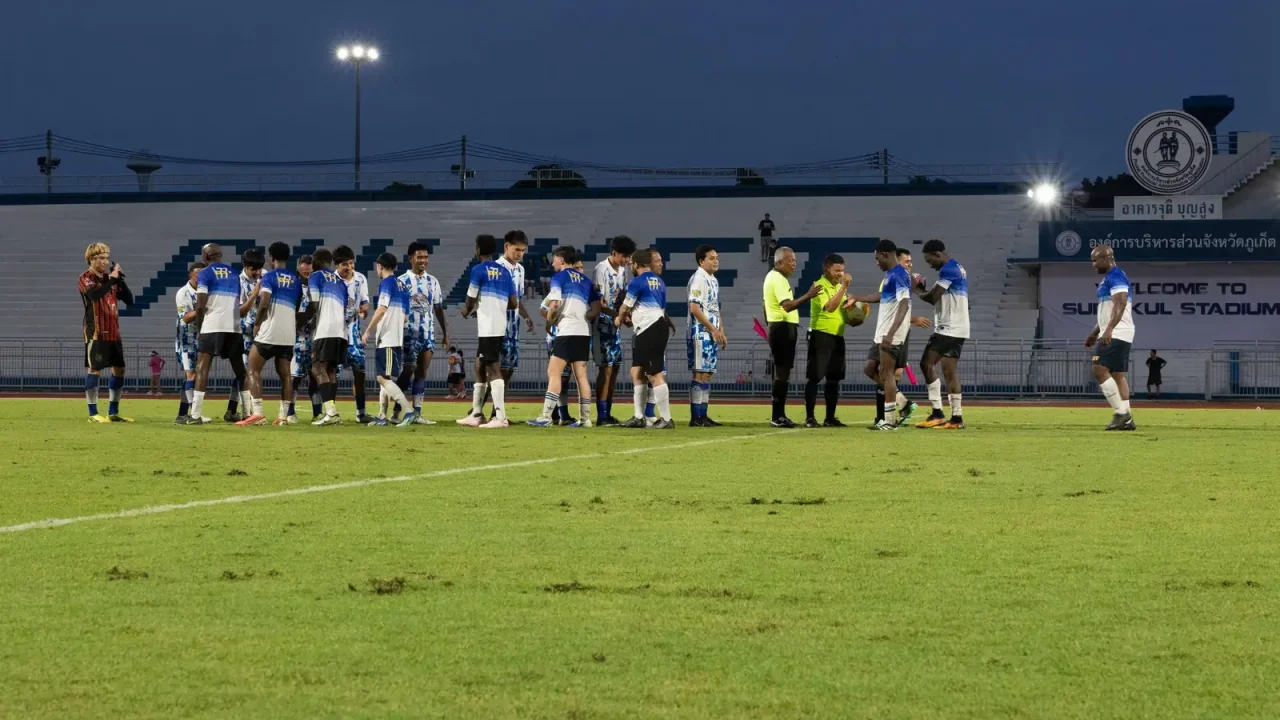
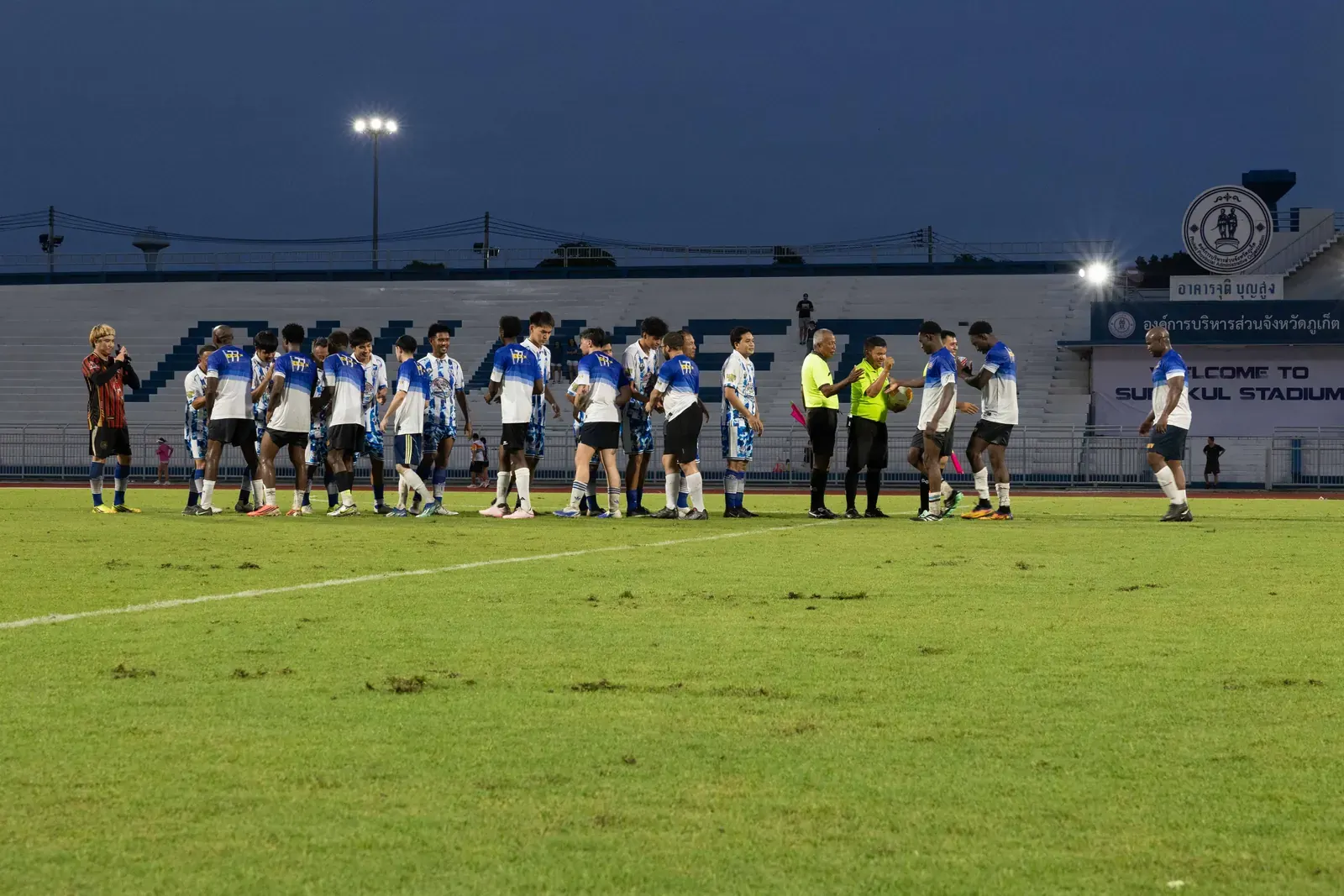
CONMEBOL says it collected 1,025 biological samples through its anti-doping programme during the 2026 Copa Sudamericana, with in-competition controls conducted at all 157 matches. The governing body also reported 397 samples from out-of-competition testing, carried out from the round of 16 through to the final.
The figures were published by CONMEBOL on 20 November, in a statement issued around the final in Barranquilla, Colombia. They offer a snapshot of the testing programme across the competition, but the announcement does not report individual test results or identify any players as having returned positive findings.
Key facts
| Measure | CONMEBOL-reported figure |
|---|---|
| Total biological samples | 1,025 |
| Matches with in-competition controls | 157 of 157 |
| Samples collected at matches | 628 |
| Out-of-competition samples | 397 |
Testing at every match
The 628 samples collected during matches made up 61.3% of the reported total. CONMEBOL’s statement says controls covered every fixture, but it does not specify how many players were tested in each match or provide a match-by-match breakdown.
The remaining 397 samples came from controls outside competition, accounting for 38.7% of the total. These controls began at the round-of-16 stage and continued through the final, according to the governing body.
Targeted controls across nine clubs
CONMEBOL said the out-of-competition programme used a registered testing group comprising nine clubs. The group included finalists Atlético Mineiro and Boca Juniors. The statement describes the approach as based on intelligence and risk analysis, with selection informed by factors including sporting performance and team whereabouts.
The organisation said this method was intended to guide where and when controls were carried out and which footballers were selected. It did not publish the identities of tested players, the specific risk factors applied to individual clubs, or a breakdown of out-of-competition samples by team.
Three sample types outside matches
The 397 out-of-competition samples comprised 225 urine samples, 54 blood-serum samples and 118 dried blood spot samples, known as DBS. CONMEBOL said using different sample types and testing methods broadened the programme’s detection capability. Its announcement does not detail the analyses performed on each sample or report outcomes.
The governing body presented the programme as part of its work to protect player health and competition integrity. Those are stated aims; the published figures alone do not establish the effectiveness of the controls or provide evidence about the presence or absence of doping violations.
What the figures do—and do not—show
For supporters following the tournament, the figures indicate that testing was not limited to matchdays: CONMEBOL also conducted controls away from competition during the knockout stages. Coverage of all 157 matches and the additional out-of-competition programme provide the main measurable details released in the statement.
The announcement is a summary of sampling activity, not a results report. CONMEBOL did not give a date for releasing further data, explain whether every sample had completed analysis, or provide results by competition stage. Those details should not be inferred from the sample totals.
Source: CONMEBOL, “CONMEBOL Sudamericana 2026: inteligencia y análisis de riesgo al servicio del juego limpio” (20 November 2026): https://www.conmebol.com/noticias/conmebol-sudamericana-2026-inteligencia-y-analisis-de-riesgo-al-servicio-del-juego-limpio/
Source
CONMEBOL Original publication: 2026-11-20T23:43:33+00:00
Related news
Lyon’s 2-0 win exposes the gap Arsenal must close in Europe
Arsenal were outplayed at Meadow Park as Lyon extended their unbeaten Champions League run, leaving the Gunners still seeking a route into…
Read story
What “Borussia” Means in Dortmund and Mönchengladbach
The name shared by two prominent German clubs has roots in Prussia, but the stories behind Borussia Dortmund and Borussia Mönchengladbach are…
Read story
Freiburg and Elversberg meet after contrasting Bundesliga starts
Third-placed Freiburg travel to seventh-placed Elversberg for Matchday 10, with both clubs exceeding expectations after nine Bundesliga games.
Read story
Gremio vs Bahia: Relegation pressure meets Libertadores push
Gremio host Bahia with four Brasileiro matches remaining: the home side are trying to escape the relegation zone, while Bahia chase Copa…
Read story