
DR Congo’s ‘Fimbu’ Spirit: A Nation’s Resilience and Passion Set for the World Stage
As the Democratic Republic of Congo prepares for its World Cup debut, fans are ready to showcase their unique cultural expression, 'fimbu,' representing a nation's enduring spirit and passion for football.
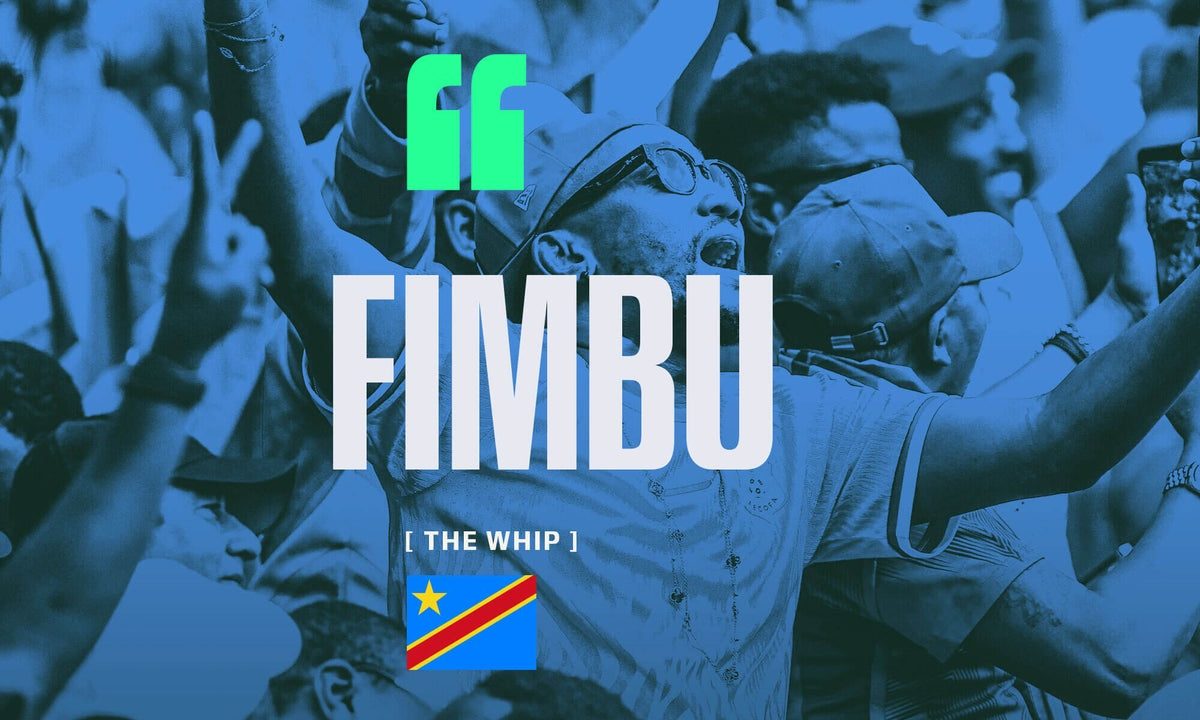
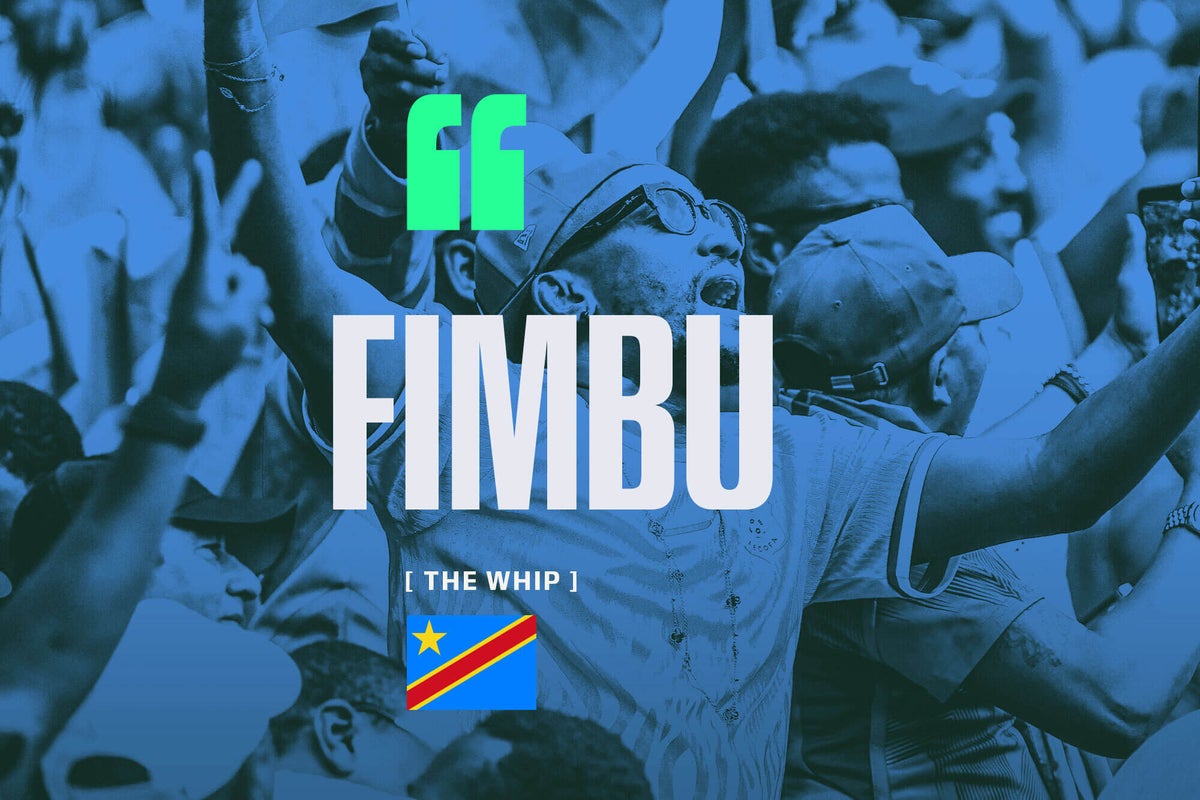
The Democratic Republic of Congo is poised to make its mark on the global football stage at the upcoming World Cup, and its passionate fanbase is set to bring a unique cultural phenomenon known as ‘fimbu’ to the world. This spirit, often translated as ‘the whip,’ encapsulates the resilience, style, and unwavering support of Congolese supporters.
A Symbol of National Pride
At the heart of this burgeoning fan culture is Lumumba Vea, a charismatic figure who gained viral fame during the recent Africa Cup of Nations (AFCON). Known for his striking, brightly coloured suits and statuesque poses, Vea embodies the spirit of ‘La Sape,’ or Sapology – a cultural movement celebrating dapper fashion and stoic elegance, even in challenging circumstances. His presence is seen as a tribute to Patrice Lumumba, the nation’s first prime minister and a revered national hero.
“He has this special aura. He’s a proper statue,” remarked DR Congo fan Louis Mukoma, highlighting Vea’s iconic status. His impersonator, Michel Kuka Mboladinga, a former baker, pays homage to Lumumba, a key figure in the Pan-African movement and the fight for independence. “Lumumba is a national hero and historical figure who paved the way for Pan-Africanism,” explained Mukoma. “In the global South, beyond Africa, he is a key figure.”
Resilience Through Football
The journey to the World Cup has been one of patience and perseverance for DR Congo. The national team, historically known as Congo-Kinshasa and Zaire, achieved success by winning AFCON twice in 1968 and 1974. However, subsequent decades have seen near misses and semi-final defeats, testing the resolve of their supporters.
This year’s qualification, however, was a testament to their fighting spirit. After narrowly missing out on the previous two World Cups, the Leopards secured their spot through tense penalty shootouts and hard-fought play-off victories. The emotional moment of qualification, described by FIFA commentators as “words that have never been spoken before,” underscored the significance of this achievement.
Challenges for Supporters
While the team’s qualification is a cause for celebration, the journey for fans is fraught with logistical challenges. The federation arranged a plane for 300 supporters from Kinshasa, but many, including Lumumba Vea himself, faced visa denials. The ongoing Ebola virus outbreak and strict immigration laws make it difficult for Congolese citizens to travel abroad. Consequently, the diaspora communities in the United States, where DR Congo will play its matches, are expected to play a crucial role in carrying the national spirit.
“The diaspora is going to carry us because it’s very complicated for Congolese people to visit,” noted Mukoma. “They will have to carry the spirit.”
A Team of Global Talent
The DR Congo squad itself is a reflection of the nation’s global reach, with all 26 players plying their trade across 13 different countries. This includes prominent names in European football, such as Axel Tuanzebe, Noah Sadiki, and Yoane Wissa. The team is captained by the seasoned Chancel Mbemba, who boasts over 100 international caps.
The composition of the squad has also highlighted historical complexities, with some frustration among fans regarding player eligibility and past organizational issues that may have hindered the nation’s potential.
Football as a Reflection of Wider Issues
The national team’s participation in the World Cup, particularly in the United States, takes on added significance given the country’s complex history with DR Congo. As former player and PFA CEO Maheta Molango explained, the nation has been affected by prolonged periods of conflict since 1994, often linked to its rich natural resources. This instability has been described as a “sad story of the direct or indirect influence of the West,” with some believing that international companies benefit from the ensuing chaos.
For Congolese fans, seeing their flag fly at a tournament hosted in a nation perceived by some as playing a role in their country’s destabilization adds another layer of meaning to their World Cup journey. It becomes a platform to draw global attention to their nation’s struggles and triumphs.
Datos clave
| Aspecto | Detalles |
|—|—|
| Equipo | Selección de fútbol de la República Democrática del Congo |
| Espíritu de Aficionados | ‘Fimbu’ (La Látigo) – Símbolo de resiliencia y orgullo |
| Ícono de Aficionado | Lumumba Vea (impersonador de Patrice Lumumba) |
| Movimiento Cultural | La Sape (Sapología) – Moda y estoicismo |
| Logros Históricos | Dos veces campeón de la AFCON (1968, 1974) |
The upcoming World Cup represents more than just a sporting competition for DR Congo; it is an opportunity to showcase their vibrant culture, united spirit, and enduring resilience on a global stage. The ‘fimbu’ of the fans will undoubtedly resonate, carrying the hopes and pride of a nation.
Fuente: The Athletic Football – https://www.nytimes.com/athletic/7278485/2026/06/10/dr-congo-world-cup-fans/
Datos clave
| Punto | Detalle |
|---|---|
| Fuente | The Athletic Football |
| Fecha | 2026-06-10T04:10:42+00:00 |
| Tema | DR Congo fans are ready to bring fimbu – aka ‘the whip’ – to the world stage |
Source
The Athletic Football Original publication: 2026-06-10T04:10:42+00:00
Related news
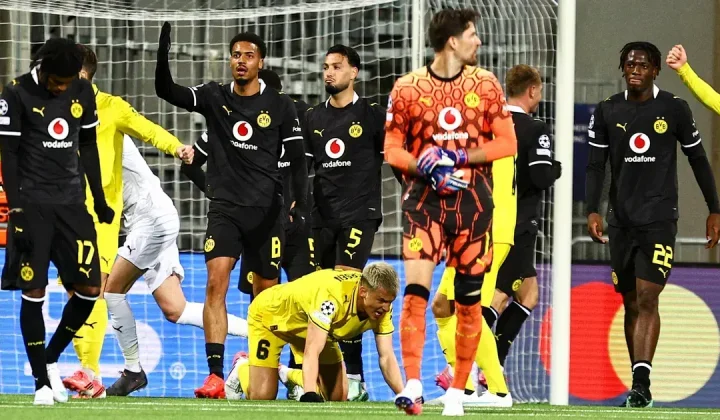
Borussia Dortmund Fall to Bodø/Glimt in Champions League Shock
Fredrik Sjøvold’s second-half strike gave the Norwegian side a 1-0 win over Niko Kovač’s Dortmund, who struggled to break down a disciplined…
Read story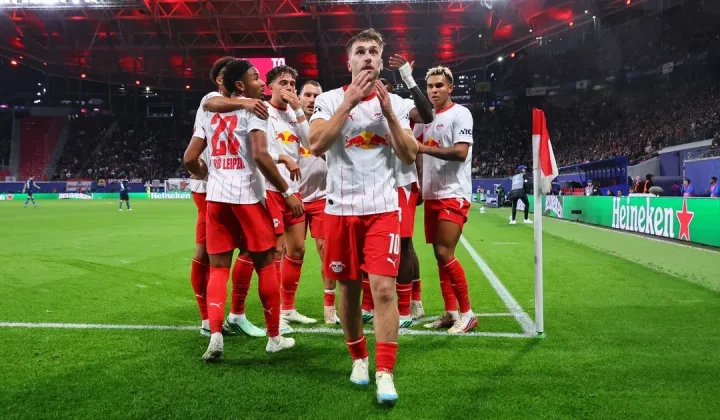
Brajan Gruda Strike Gives RB Leipzig 1-0 Champions League Win Over PSV
Brajan Gruda scored in the 75th minute after Maarten Vandevoordt saved an Ivan Perisic penalty as RB Leipzig defeated PSV Eindhoven 1-0.
Read story
Real Betis vs Porto: Champions League Clash Preview and Prediction
Real Betis host Porto in a crucial Champions League league-phase match. Preview includes team news, possible lineups, and analysis of both sides'…
Read story
Jaguares Snatch Dramatic 3-2 Win Over Tolima in Liga BetPlay Relegation Battle
Darwin López scored a 92nd-minute winner as Jaguares de Montería secured only their second victory of the Liga BetPlay 2026-II season, defeating…
Read story