FIFA-UEFA Conflict Intensifies Over Plan to Sell Stake in World Cup to Private Investors
UEFA and other confederations have rejected FIFA President Gianni Infantino's proposal to create a for-profit subsidiary and sell up to 21% of its major tournaments to private capital, escalating a power struggle over the future of football governance.
FIFA President Gianni Infantino has triggered a major crisis in world football by proposing to sell a minority stake in the organization’s most valuable assets—including the World Cup—to private investors. The plan, which would create a new for-profit subsidiary called FIFA Forward Enterprise, has been met with fierce opposition from UEFA and several other confederations, who argue it would fundamentally change the nature of football governance.
The conflict became public after UEFA issued a stark statement following a meeting of its 55 member associations. “We reject unanimously and unequivocally the FIFA proposal to transfer ownership stakes in the World Cup and other FIFA competitions to private investors,” the statement read. “If these proposals remain in force, no UEFA national team will participate in any FIFA competition.”
Por que importa
The proposal would see FIFA sell up to 21% of its commercial rights to an external investor. According to reports from The Times, the lead investor would be Thrive Capital, a US-based fund linked to Joshua Kushner, brother of Jared Kushner, the former senior advisor to Donald Trump. JP Morgan is reportedly advising on the deal.
Infantino has framed the plan as an opportunity to unlock “commercial value that had not previously been exploited.” Under the proposal, FIFA would make an immediate one-time payment of $20 billion to its 211 member associations, distributing approximately $20 million to each. The Italian-Swiss administrator has stressed that the plan is “an opportunity, not an obligation” and would only proceed if approved by a majority of member associations.
Contexto
However, UEFA and its allies have accused Infantino of imposing an artificial deadline and bypassing proper governance procedures. The European body has called on leagues, clubs, players, fans and governments to analyze the potential consequences. “None of us owns football. It is not up to FIFA to sell it,” UEFA declared.
| Key facts | |
|---|---|
| Proposal | FIFA Forward Enterprise, a for-profit subsidiary that would manage commercial rights |
| Stake for sale | Up to 21% of FIFA’s major tournaments, including the World Cup |
| Potential investor | Thrive Capital (US) with JP Morgan as advisor |
| UEFA position | Unanimous rejection; threatened boycott of FIFA competitions |
The conflict has exposed a deep divide within FIFA’s own confederations. Concacaf, which covers North and Central America and the Caribbean, also issued a strong statement against the proposal. Its members expressed “deep concern about the lack of due process around the proposal, the artificially short deadline imposed for a decision, and the absence of review or approval by FIFA’s competent governance bodies.” The confederation questioned “the need to resort to private capital investments to finance new and existing FIFA Forward programs, especially after the most profitable FIFA World Cup in history.”
Que sigue
However, the United States Soccer Federation, a Concacaf member, has explicitly supported FIFA’s plan. This is notable given that Thrive Capital is based in the US and the 2026 World Cup will be co-hosted by the US, Canada and Mexico.
By contrast, Conmebol, the South American confederation led by Paraguayan Alejandro Dominguez, appears to be siding with Infantino. Dominguez has been publicly supportive of the FIFA president, including backing his proposal to expand the World Cup to 64 teams. He has not yet issued an official statement on the investment plan.
The financial stakes are enormous. The 2022 World Cup in Qatar generated $13 billion in revenue and left a profit of $9 billion. Critics argue that allowing private capital into FIFA’s ownership structure would create pressure to expand tournaments further or increase their frequency to maximize returns, a process some analysts have described as “the Americanization of football.”
The conflict represents the most serious challenge to Infantino’s leadership since he took office in 2016. It also highlights a fundamental disagreement about the future direction of the sport: whether it should remain a non-profit governed by democratic principles among member associations, or whether it should embrace private capital to unlock greater commercial value.
For now, the battle lines are drawn. UEFA has threatened a boycott, Concacaf has raised governance concerns, and only Conmebol and Asian confederations are seen as likely supporters of the FIFA plan. The outcome will shape the global football landscape for decades to come.
For fans and observers, this conflict matters because it directly affects how the World Cup and other major tournaments are organized, broadcast and potentially expanded. The introduction of private investors could change the fundamental relationship between football’s governing bodies and the commercial interests that increasingly drive the sport.
Source: Ole – “Entre críticas y apoyos: qué hay detrás de la guerra FIFA-UEFA” (https://www.ole.com.ar/futbol-internacional/fifa-conflicto-gianni-infantino-uefa-confederaciones-comunicados-detras_0_1P1N5gea8B.html)
Source
Ole Original publication: 2026-07-31T01:47:02+00:00
Related news
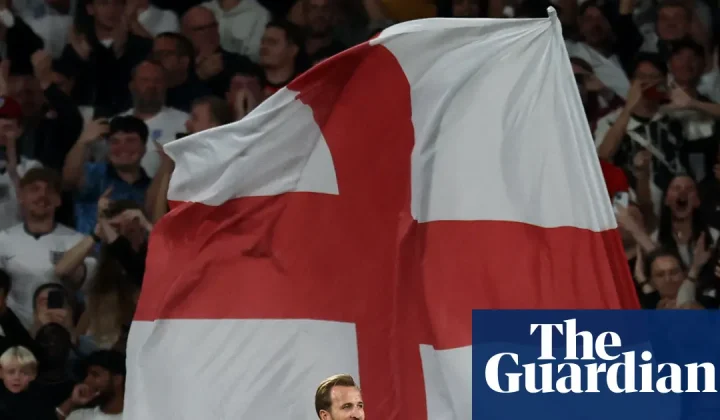
Harry Kane equals Peter Shilton’s England caps record with two goals in Nations League win over Czechia
Harry Kane scored twice on the night he equalled Peter Shilton’s all-time England appearance record, leading the Three Lions to a 3-0…
Read story
Jesse Marsch says Canada “not afraid” as USMNT friendly intensifies rivalry
Canada coach Jesse Marsch has welcomed the pressure of facing the United States, stating his team is “not afraid” as the two…
Read story
Scotland vs Slovenia: Nations League Group B1 Clash at Hampden Park
Scotland and Slovenia meet at Hampden Park in a pivotal Nations League Group B1 encounter, with both sides level on four points…
Read story
Padres Turn to Robbie Ray for NLDS Game 1 Start as Walker Buehler Goes on Paternity List
San Diego Padres manager Craig Stammen named Robbie Ray the starter for Game 1 of the NL Division Series against Milwaukee after…
Read story