
FIFA’s Finances Swell as World Cup Revenue Skyrockets
The Athletic reports FIFA's revenue is projected to hit $13 billion for the 2023-26 cycle, largely driven by the expanded 2026 World Cup, raising questions about financial distribution and reserves.
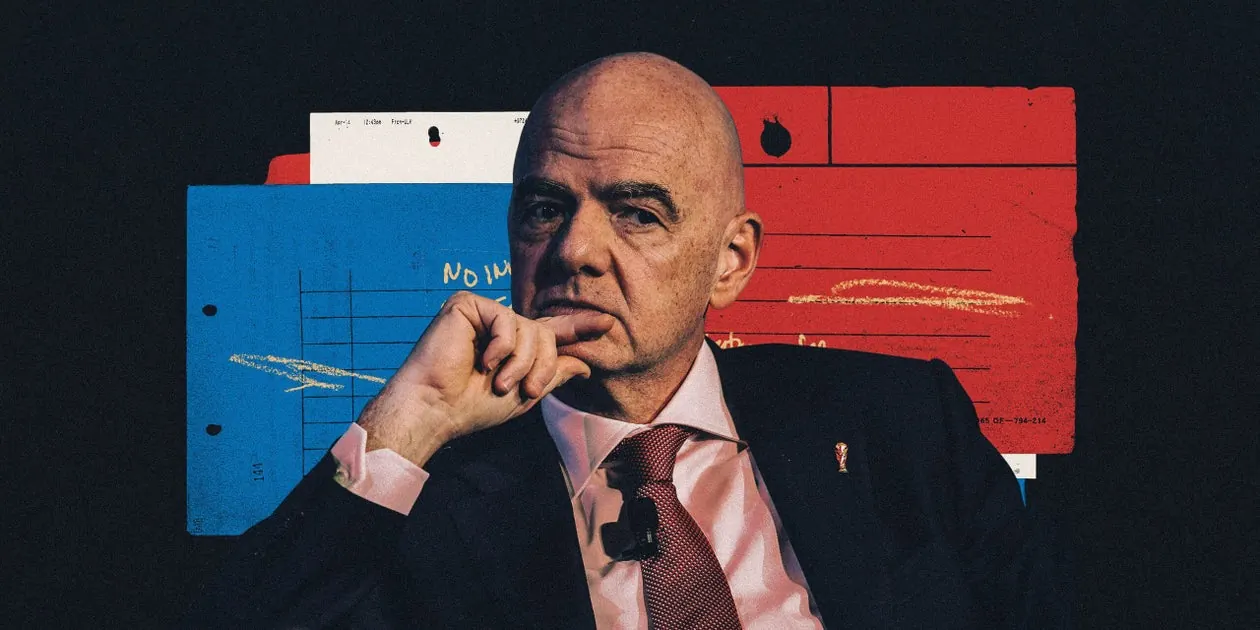
FIFA is experiencing unprecedented financial growth, with its 2023-26 revenue cycle projected to reach a staggering $13 billion. This surge is primarily attributed to the expanded 2026 Men’s World Cup, which is set to generate an estimated $9 billion of that total. The figures, detailed in an analysis by The Athletic, highlight FIFA’s financial recovery and expansion since past scandals.
The governing body’s finances are closely tied to the quadrennial World Cup. In years without the tournament, FIFA typically incurs losses, but the World Cup revenue more than compensates for these. The current cycle’s projected revenue represents a more than 70 percent increase compared to the previous four-year period.
Key facts
| Item | Amount |
|—|—|
| Projected Revenue (2023-26) | $13 billion |
| Estimated World Cup Revenue (2026) | $9 billion |
| Reserves at end of 2025 | $2.7 billion |
| Bonds, Investments, Deposits | Nearly $6 billion |
Where the Money Comes From
The primary driver of FIFA’s income remains the global popularity of football. Television rights sales, hospitality rights, and ticket sales account for approximately 68 percent of the projected $13 billion revenue. These revenue streams have consistently made up more than half of FIFA’s total income in recent cycles.
Even when excluding the significant contribution from the expanded Club World Cup, revenues from 2023 to 2025 have already surpassed those of previous cycles. FIFA’s single-year revenue record of $5.769 billion in 2022 has already been exceeded, with $7.783 billion in revenues contracted for but not yet recognized by the end of 2025.
Broadcasting revenue forms a substantial portion of this income, totaling $3.621 billion over the past three years, or $4.621 billion if the Club World Cup rights are included. While European broadcasters were once the dominant payers for TV rights, their contribution has decreased. In the 2019-22 cycle, their share fell to 31 percent, with Asia and the Middle East and North Africa (MENA) region becoming increasingly significant contributors.
Challenges and Spending
Despite its immense revenue, FIFA operates as a not-for-profit entity with ambitious spending plans. The organization intends to spend $12.9 billion against the $13 billion revenue, leaving only $100 million to bolster reserves. However, FIFA has consistently exceeded its budget surpluses in recent cycles, booking $1.2 billion in surpluses in the past two cycles alone.
FIFA’s reserves stood at $2.7 billion at the end of 2025, and the organization holds nearly $6 billion in bonds, investments, and deposits. This financial strength stands in stark contrast to its struggles with bribery and corruption a decade ago.
The article notes that while FIFA president Gianni Infantino states that “every dollar goes back to the development of football,” the exact allocation and impact of these vast sums on grassroots development and the sport’s broader ecosystem remain subjects of ongoing scrutiny. The article also points to a lack of transparency regarding the breakdown of broadcast rights revenue by region in FIFA’s current budget.
The substantial financial influx from the 2026 World Cup and FIFA’s overall financial health are critical developments for the global football community. The distribution of these funds and their impact on the development and accessibility of the sport worldwide are key considerations for fans, players, and administrators alike.
Source: The Athletic Football – The BookKeeper — Exploring FIFA’s finances: Where the money comes from and where it goes – https://www.nytimes.com/athletic/7330307/2026/07/09/fifa-finances-bookkeeper-analysis/
Datos clave
| Punto | Detalle |
|---|---|
| Fuente | The Athletic Football |
| Fecha | 2026-07-09T04:15:43+00:00 |
| Tema | The BookKeeper — Exploring FIFA's finances: Where the money comes from and where it goes |
Source
The Athletic Football Original publication: 2026-07-09T04:15:43+00:00
Related news

Brighton defeat exposes five cracks in Arsenal’s Premier League title defence
Arsenal’s perfect start to the season came to a sudden halt with a 3-0 loss at Brighton. The result has raised fresh…
Read story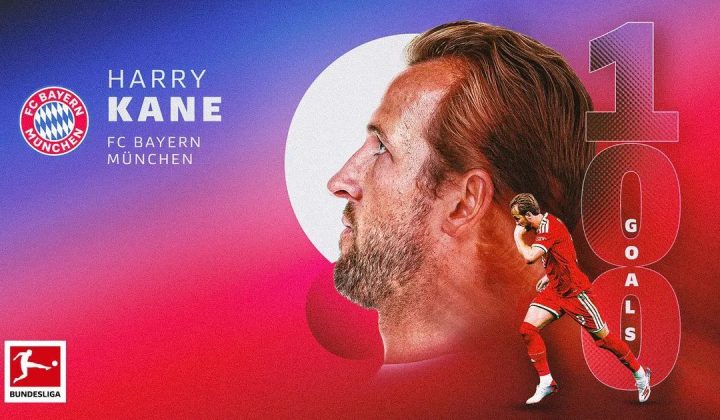
Harry Kane Fastest to 100 Bundesliga Goals, Reaches Milestone in 98 Appearances for Bayern Munich
Harry Kane scored his 100th Bundesliga goal in Bayern Munich’s 7-0 win over Union Berlin, setting a new record for the fastest…
Read story
Bayern Munich’s Luis Díaz Backs Harry Kane for 2026 Ballon d’Or
Bayern Munich and Colombia forward Luis Díaz has publicly backed teammate Harry Kane to win the 2026 Ballon d'Or, calling the England…
Read story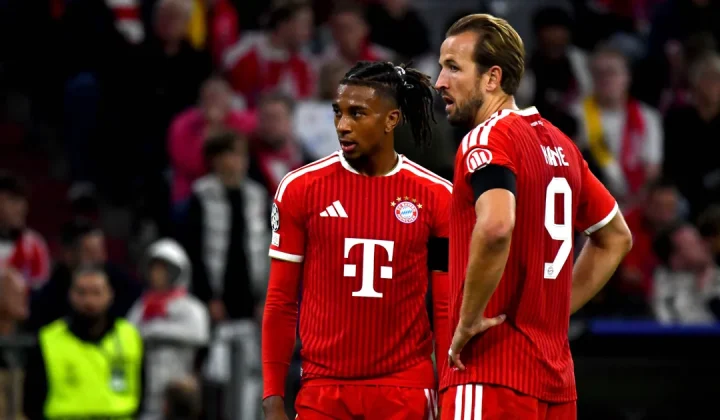
Bundesliga pause extended: Why the September and October international break is now three weeks long
The Bundesliga and Europe's top leagues are pausing for close to three weeks from 18-20 September to 9-11 October as FIFA merges…
Read story