
Bundesliga pause extended: Why the September and October international break is now three weeks long
The Bundesliga and Europe's top leagues are pausing for close to three weeks from 18-20 September to 9-11 October as FIFA merges the September and October international windows into one extended break. Here is why the change was made and what it means for players, clubs and fans.
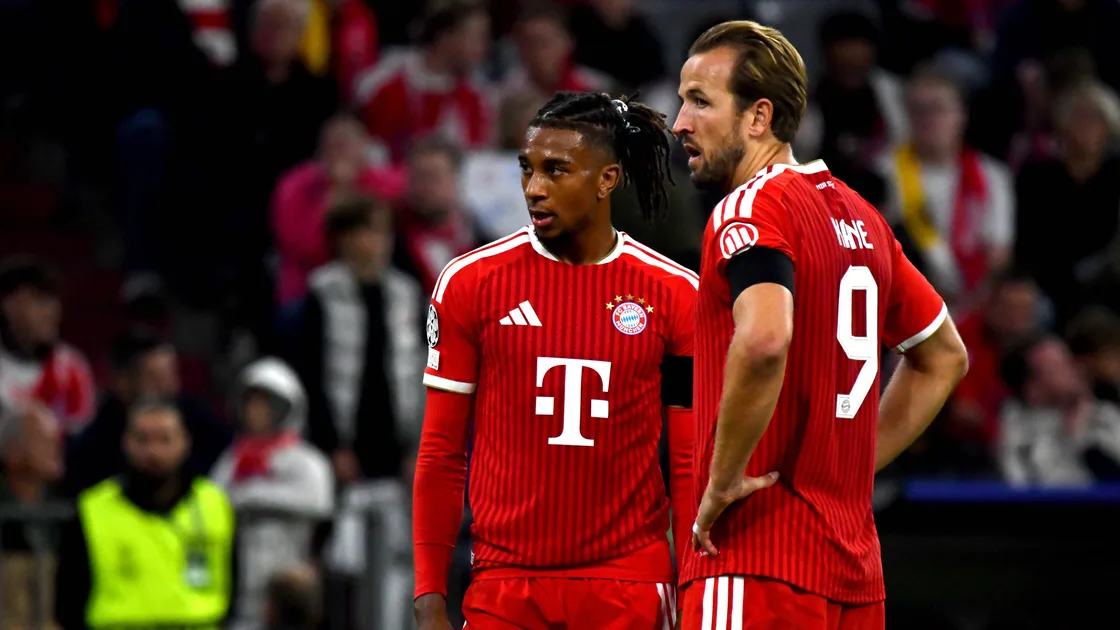
The Bundesliga and Europe’s other top leagues are pausing for close to three weeks from the weekend of 18-20 September to 9-11 October, as players join up with their national teams for a newly merged international break. The change, approved by the FIFA Council in 2025, combines what were previously two separate windows into a single extended pause.
For fans of the Bundesliga and Bundesliga 2, this means no club fixtures across three consecutive weekends. The break affects matchdays 4 through 6 of the 2026/27 season, with league action resuming on 9-11 October.
Why the change?
International breaks are coordinated by world governing body FIFA, allowing players to represent their countries while domestic leagues pause across the major footballing nations. Until now, the September and October windows have typically been separate, each lasting around two weeks. That meant one weekend without Bundesliga or Bundesliga 2 fixtures in both months, alongside international windows in March and November and an end-of-season window in June.
The new format reduces the number of transcontinental journeys required of international players. Bayern Munich attacker Luis Díaz, for instance, will only have to cross the Atlantic once if called up by Colombia for their upcoming friendlies against Mexico, Paraguay and Peru in the United States, rather than making the journey in both September and October. This is a significant consideration for player welfare and recovery.
How many matches will national teams play?
The number of matches national teams can play across the year’s international windows remains unchanged at 10. This means many sides will play four games during the extended break instead of the usual two. That could give Harry Kane plenty of opportunities to add to his record 85 goals for England and potentially strengthen his Ballon d’Or case, with England facing Spain, Croatia and Czechia twice in the UEFA Nations League.
There will also be plenty of interest in Germany and beyond as Jürgen Klopp takes charge of the national team for the first time. The former Borussia Dortmund, Mainz and Liverpool boss will lead a squad packed with Bundesliga talent into Nations League meetings with the Netherlands, Greece (home and away) and Serbia.
What does this mean for Bundesliga clubs?
For Bundesliga clubs, the extended break presents both challenges and opportunities. Managers lose key players for nearly three weeks, disrupting training rhythms and tactical preparation. However, the single break also means a more concentrated period of international duty, followed by an uninterrupted run of club fixtures until the November international window.
Clubs with large contingents of international players, such as Bayern Munich, Borussia Dortmund and Bayer Leverkusen, will need to manage workloads carefully. Players like Kane, Olise and Jamal Musiala are likely to feature heavily for their countries, raising questions about fatigue and injury risk.
2026/27 international break overview
| Break period | Duration | Notes |
|---|---|---|
| September-October 2026 | 18-20 Sep to 9-11 Oct | Merged window, up to 4 matches per team |
| November 2026 | 9-17 Nov | Standard two-match window |
| January-February 2027 | 7 Jan to 5 Feb | For AFC Asian Cup participants only |
| March 2027 | 22-30 Mar | Standard two-match window |
| June 2027 | 31 May-15 Jun | End-of-season window |
What to watch during the break
For Bundesliga fans, the international break offers a chance to see how their club’s stars perform on the international stage. Key storylines include Klopp’s debut as Germany head coach, Kane’s pursuit of an England scoring record that already stands at 85 goals, and how players like Olise and Díaz handle the increased match load.
The break also gives clubs time to work with players who remain at their training grounds, focusing on fitness, tactical adjustments and integration of new signings before the league resumes in October.
Source: Bundesliga – Why is the September and October international break so long? (https://www.bundesliga.com/en/bundesliga/news/why-is-september-october-international-break-so-long-39210)
Source
Bundesliga Original publication: 2026-09-17T04:33:00+00:00
Related news
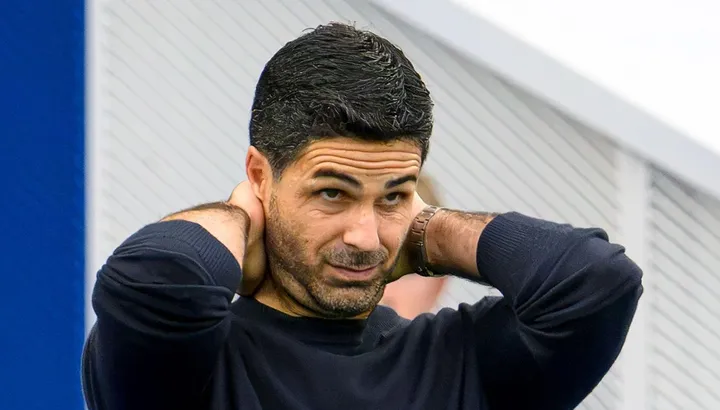
Brighton defeat exposes five cracks in Arsenal’s Premier League title defence
Arsenal’s perfect start to the season came to a sudden halt with a 3-0 loss at Brighton. The result has raised fresh…
Read story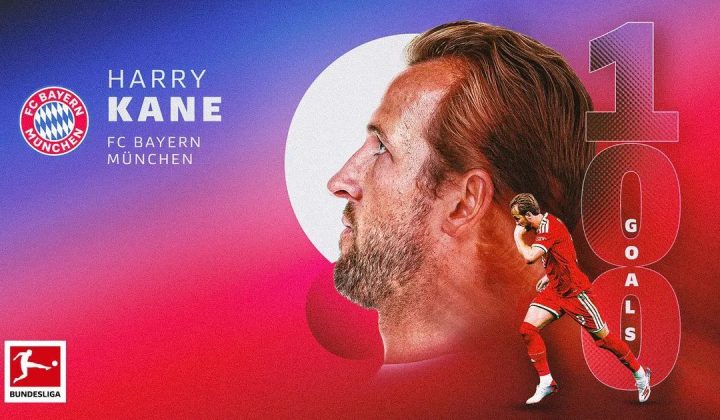
Harry Kane Fastest to 100 Bundesliga Goals, Reaches Milestone in 98 Appearances for Bayern Munich
Harry Kane scored his 100th Bundesliga goal in Bayern Munich’s 7-0 win over Union Berlin, setting a new record for the fastest…
Read story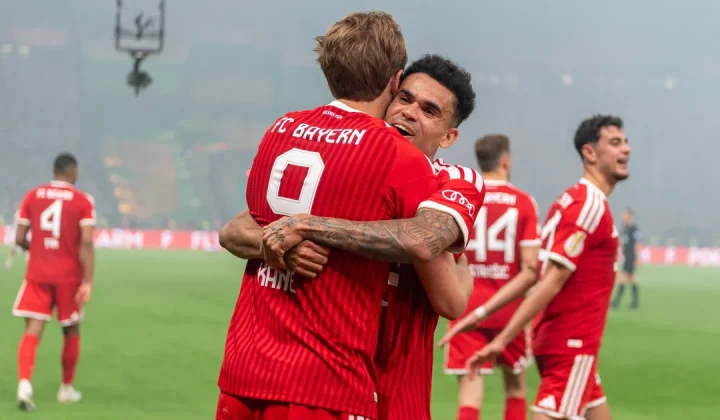
Bayern Munich’s Luis Díaz Backs Harry Kane for 2026 Ballon d’Or
Bayern Munich and Colombia forward Luis Díaz has publicly backed teammate Harry Kane to win the 2026 Ballon d'Or, calling the England…
Read story
Benin Set for Historic Friendly Against Argentina as Messi’s Farewell Tour Arrives in South America
Benin, ranked 93rd in the world and never a World Cup participant, will face Lionel Messi and Argentina on October 6 at…
Read story