IFFHS Names Lionel Messi Best Player of the 2026 World Cup, Overruling FIFA’s Rodri Pick
The International Federation of Football History & Statistics (IFFHS) has controversially named Argentina's Lionel Messi as the best player of the 2026 World Cup, despite FIFA awarding the official Golden Ball to Spain's Rodri. The decision, published on the IFFHS official website, cites a rigorous data-driven performa
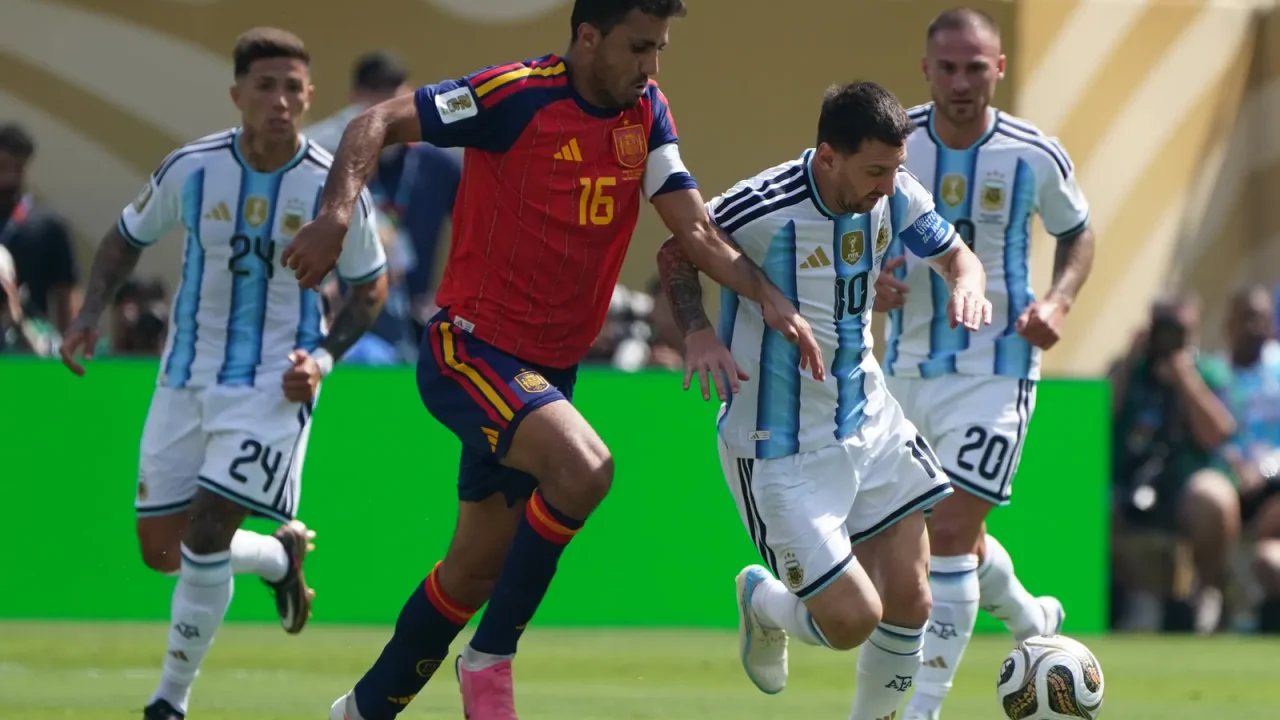
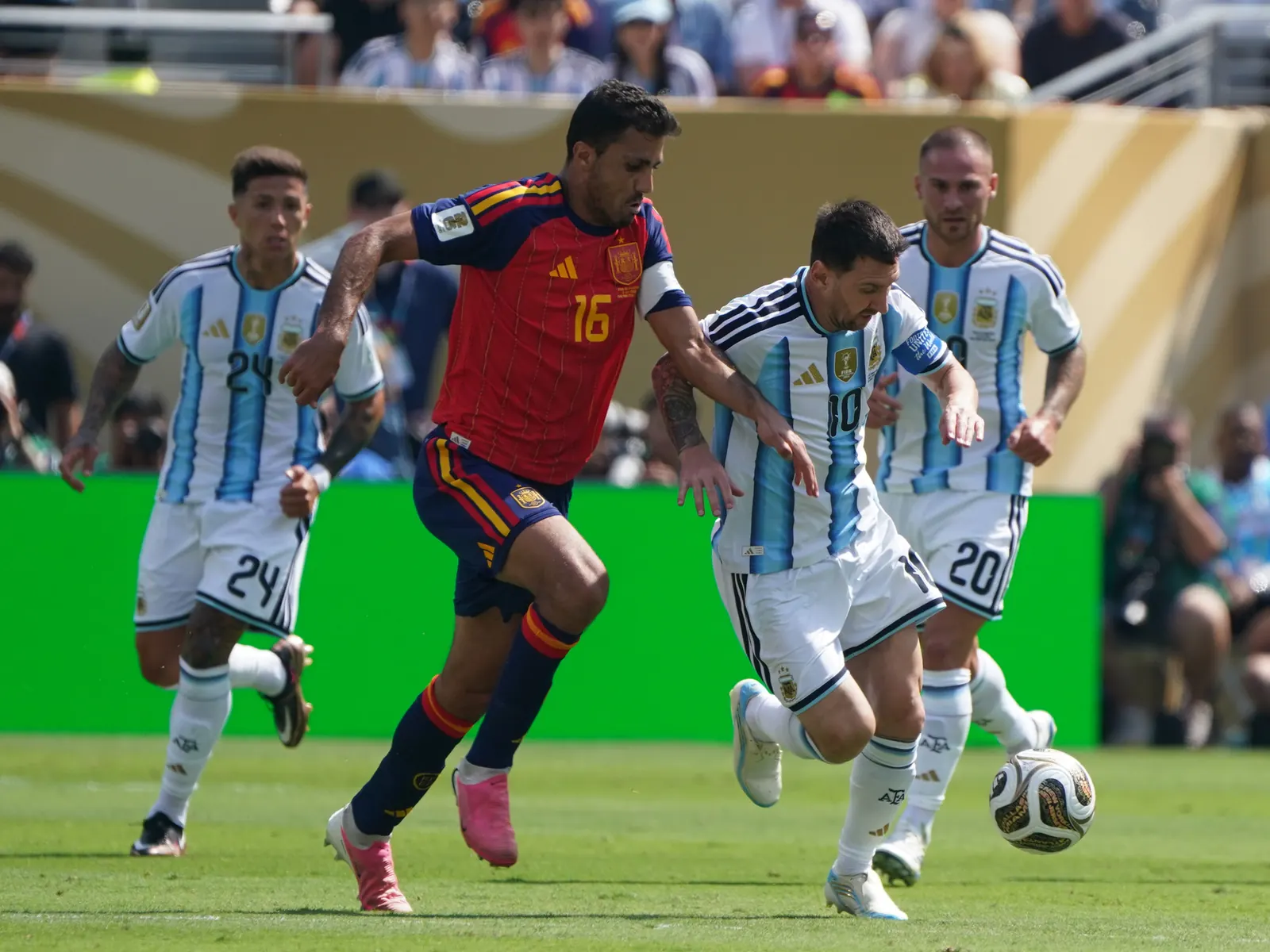
The International Federation of Football History & Statistics (IFFHS) has announced Lionel Messi as the best player of the 2026 FIFA World Cup, a move that directly contradicts FIFA’s own selection of Spain’s midfielder Rodri for the Golden Ball award. This decision, detailed on the IFFHS official website, highlights a divergence in criteria for recognizing top individual performance in the tournament.
The IFFHS, an organization known for its historical and statistical football records and which often collaborates with FIFA, based its choice on a proprietary “overall performance index.” This methodology claims to be rigorously data-driven, incorporating weighted ratings for matches played, goals scored, assists provided, and overall impact during the knockout stages of the competition.
IFFHS’s Data-Driven Methodology
According to the IFFHS explanation, their system conducts an “exhaustive analysis of every recorded performance” during the 2026 World Cup. The verdict for Messi was presented as “unequivocal” by their panel, guided entirely by statistical evidence rather than sentiment or reputation. The organization emphasizes that its index assigns particular weight to impact in elimination phases, arguing that true greatness is measured by a player’s ability to elevate their game under pressure.
Key facts:
| Statistic | Lionel Messi (IFFHS) |
|---|---|
| Matches Played | 7 |
| Minutes Played | 626 |
| Goals | 8 |
| Assists | 4 |
| IFFHS Average Match Rating | 33 |
Messi’s Tournament Performance
The IFFHS report details Messi’s contributions across seven matches for Argentina, totaling 626 minutes of play. During this period, he recorded eight goals and four assists, directly contributing to 12 goals. His average match rating of 8.33 across these seven games was cited as evidence of “sustained and decisive excellence” from the group stage through to the final. This consistency, quantified by the IFFHS’s weighted rating system, was the primary factor in separating him from other notable players.
Contrasting with FIFA’s Choice
FIFA, after the World Cup final in New Jersey where Spain lifted the trophy, awarded the Best Player accolade (Golden Ball) to Rodri. This choice was generally accepted by many but raised eyebrows among some observers, particularly given Rodri’s role as a defensive midfielder. The IFFHS, in its statement, explicitly stated it “did not stay with Rodri’s work,” opting instead to distinguish Messi. This divergence underscores different philosophies in evaluating a player’s all-round impact versus specific statistical output.
The IFFHS has been honoring excellence in global football since 1991, aiming to record, measure, and celebrate the best in the sport. Their latest decision regarding the 2026 World Cup’s top player adds another layer to the ongoing discussion about how individual accolades are determined in major tournaments, especially when statistical analysis clashes with broader perceptions or traditional voting methods.
Source: Ole (https://www.ole.com.ar/mundial/mundial-2026/iffhs-messi-mejor-jugador-mundial-elegido_0_J8HB5FHOUE.html)
Source
Ole Original publication: 2026-07-22T13:44:48+00:00
Related news
Boca vs River Superclásico Confirmed for November 1 at La Bombonera
The Argentine Professional League has set the date and time for the next Boca Juniors vs River Plate Superclásico, scheduled for Sunday,…
Read story
Harry Kane equals Peter Shilton’s England caps record with two goals in Nations League win over Czechia
Harry Kane scored twice on the night he equalled Peter Shilton’s all-time England appearance record, leading the Three Lions to a 3-0…
Read story
Jesse Marsch says Canada “not afraid” as USMNT friendly intensifies rivalry
Canada coach Jesse Marsch has welcomed the pressure of facing the United States, stating his team is “not afraid” as the two…
Read story
Scotland vs Slovenia: Nations League Group B1 Clash at Hampden Park
Scotland and Slovenia meet at Hampden Park in a pivotal Nations League Group B1 encounter, with both sides level on four points…
Read story