Iran’s World Cup Journey Amidst Geopolitical Turmoil: Fans Find Identity and Hope
As Team Melli prepares for the World Cup in the United States, Iranian fans navigate complex emotions, finding solace and a sense of identity in their national team amidst war and political unrest.
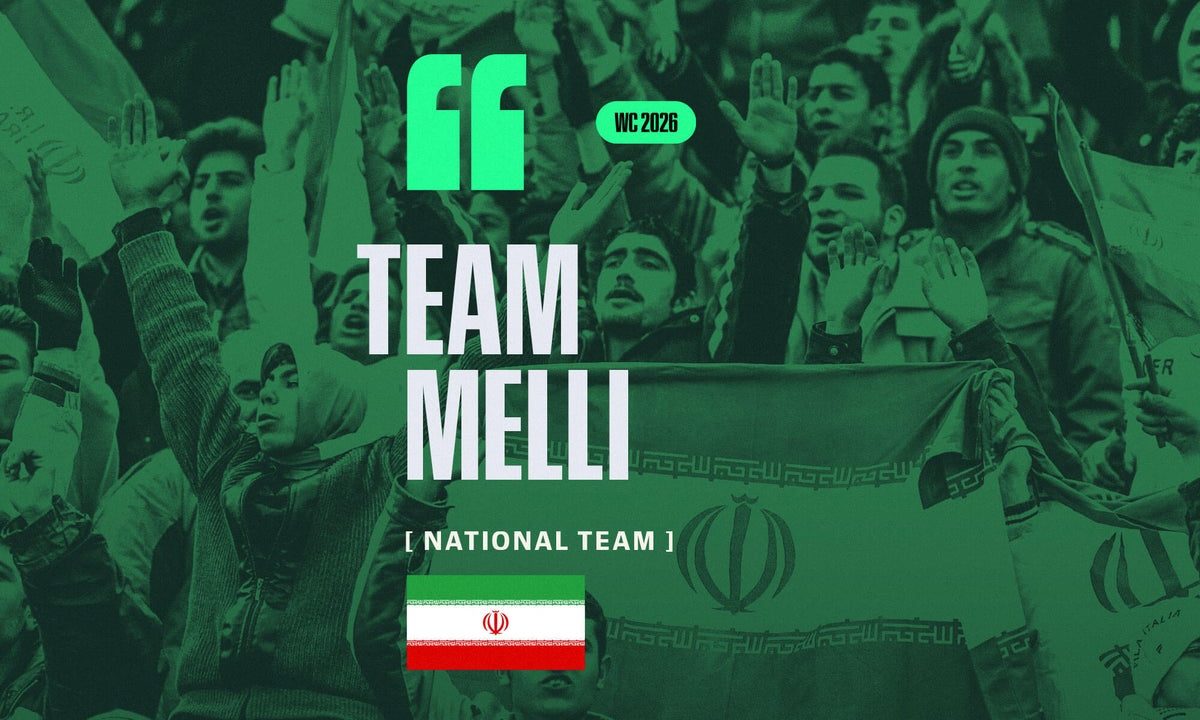
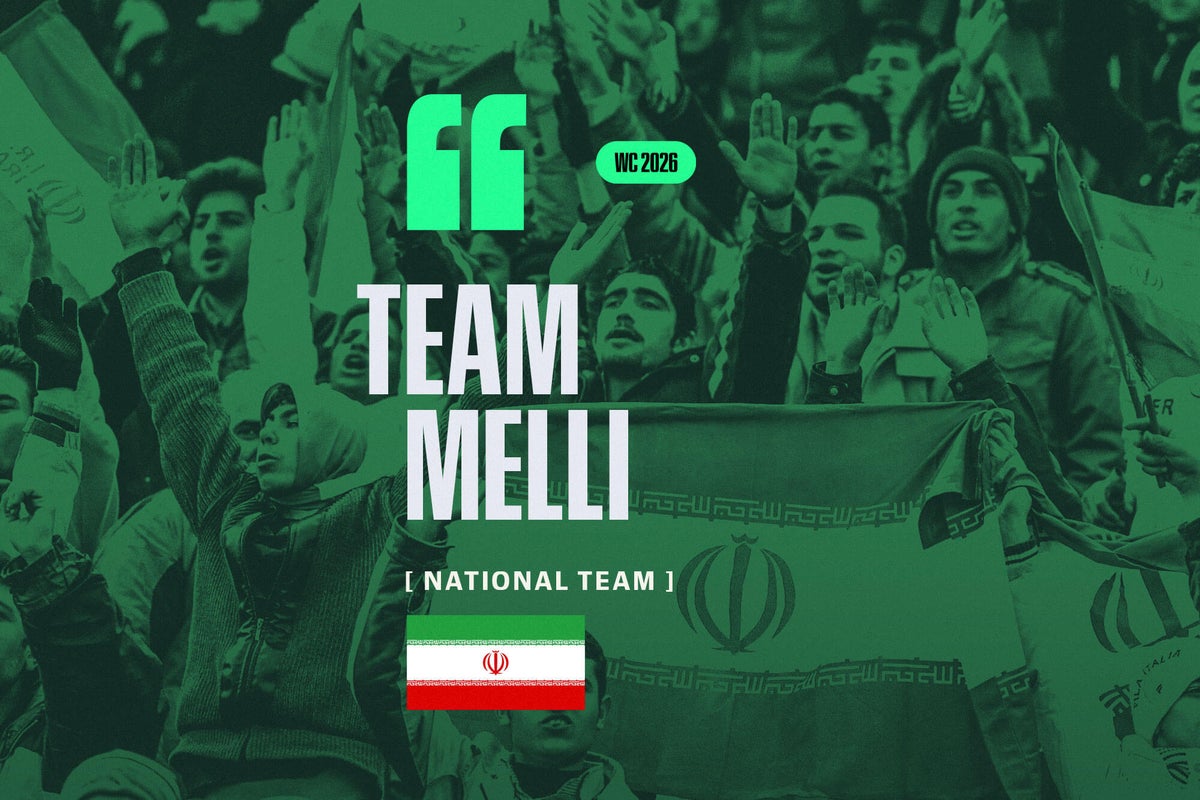
The Iranian national football team, known as Team Melli, is set to participate in the upcoming World Cup in the United States, a situation fraught with unusual geopolitical complexities. Despite escalating tensions and military actions between Iran and the U.S., FIFA has maintained its stance that the team will compete, leading to a unique and emotionally charged experience for its supporters.
Strange Times for Iranian Football Fans
For many Iranian football fans, the current geopolitical climate has cast a shadow over what should be an exciting period leading up to the World Cup. The March 2025 qualification for the tournament was followed by a period of typical fan engagement: discussions about the team, coach, draw, and ticketing. However, the end of February 2026 brought a drastic shift. Attacks launched by the United States and Israel on Iranian targets, resulting in the death of Supreme Leader Ali Khamenei, threw Iran’s participation into doubt. Amidst declarations that Iran could not compete in a country with which it was at war, and suggestions from U.S. President Donald Trump for the team’s safety, FIFA’s unwavering support for Team Melli’s participation has led to an extraordinary reality.
Emotional Impact on Supporters
The conflict has made it difficult for some fans, even those deeply involved in football, to focus on the World Cup. Art Eftekhari, who runs the Team Melli Talk YouTube channel, expressed that his primary concern has been the safety of his family in Iran, putting his usual World Cup preparation on hold. Similarly, Samson Tamijani, involved with the Gol Bezan podcast, noted that his organization has had to moderate its activity due to the gravity of the situation.
For Ideene Dehdashti, a fan who has attended the past three World Cups, a sense of guilt has emerged when contemplating football amidst the suffering in Iran. She recalled a similar feeling after posting a smiling photo following the death of Mahsa Amini, drawing criticism from a relative. This duality of wanting to support the team while being acutely aware of the crisis in their homeland creates a profound emotional challenge. Pedram Maleknia, an Iranian-American, described the experience as “weird,” wanting to support the team but simultaneously thinking of those suffering in Iran.
Finding Unity and Identity in Team Melli
Despite the difficult circumstances, supporting Team Melli remains a crucial way for Iranians in the diaspora to connect with and express their cultural identity. For many, navigating the space between their heritage and their adopted country can be isolating. The national team serves as a powerful unifying force, a common ground that transcends political differences. Samson highlights that rooting for the national team is almost a form of “treason” for any Iranian abroad to do otherwise, underscoring its significance.
The distinction between “Iranian” and “Persian” is also notable among diaspora fans. Many prefer “Persian” to distance themselves from the current regime and to connect with a broader cultural heritage, often referring to a pre-1979 Iran. Pedram explains that supporting Team Melli is about embracing “past Iran” and Persian culture, rather than the current political establishment.
A Platform for Representation and a Tribute
For fans like Ideene, attending matches is not solely about the football; it’s an act of representation and a tribute to those who cannot freely express their identity. While women in Iran are now technically allowed to attend games, they face significant restrictions, including designated seating and limited capacity. Ideene’s commitment extends to honoring Sahar Khodayari, a fan who tragically died after setting herself on fire in protest of restrictions on women attending matches. Ideene’s experience of bringing a sign with Sahar’s name into the stadium signifies a powerful act of solidarity and a demand for joy and freedom.
The hope is that when the tournament begins, Team Melli’s presence will offer a much-needed sense of joy and unity for their fans, a sentiment that has been in short supply due to various challenges, including the ongoing conflict.
Datos clave
| Aspecto | Detalle |
|---|---|
| Equipo Nacional | Team Melli (Irán) |
| Evento | Copa del Mundo 2026 |
| Sede Principal | Estados Unidos |
| Contexto Geopolítico | Tensión y conflicto entre Irán y EE.UU. |
| Sentimiento de los Aficionados | Complejo, mezcla de orgullo, preocupación y deseo de unidad. |
This story matters to FootballGames10 readers as it highlights the profound social and cultural impact of international football, demonstrating how sports can become a focal point for national identity, unity, and expression, even amidst significant geopolitical challenges. It offers a unique perspective on the human element behind the sport, especially relevant for followers of global football.
Fuente: The Athletic Football (https://www.nytimes.com/athletic/7281466/2026/06/07/iran-world-cup-fans/)
Source
The Athletic Football Original publication: 2026-06-07T04:13:51+00:00
Related news
Real Betis vs Porto: Champions League Clash Preview and Prediction
Real Betis host Porto in a crucial Champions League league-phase match. Preview includes team news, possible lineups, and analysis of both sides'…
Read story
Jaguares Snatch Dramatic 3-2 Win Over Tolima in Liga BetPlay Relegation Battle
Darwin López scored a 92nd-minute winner as Jaguares de Montería secured only their second victory of the Liga BetPlay 2026-II season, defeating…
Read story
San Lorenzo Seek First Win Under Insua as Riestra Visit in Tense Clausura Clash
Ruben Dario Insua makes several changes to his San Lorenzo lineup as the club seeks its first victory of his third tenure,…
Read story
Premier League Predictions: Man United vs Tottenham, Arsenal vs Leeds Headline Saturday’s Fixtures
Sports Mole's roundup of Saturday's Premier League gameweek six predictions, including Manchester United vs Tottenham Hotspur at Old Trafford and Arsenal vs…
Read story