
Jurist Declares Proposed Law Banning Minors from São Paulo LGBT+ Parade Unconstitutional and Discriminatory
A prominent jurist has asserted that a proposed law aiming to prevent minors from attending the São Paulo LGBT+ Pride Parade is both unconstitutional and indicative of LGBTphobia.
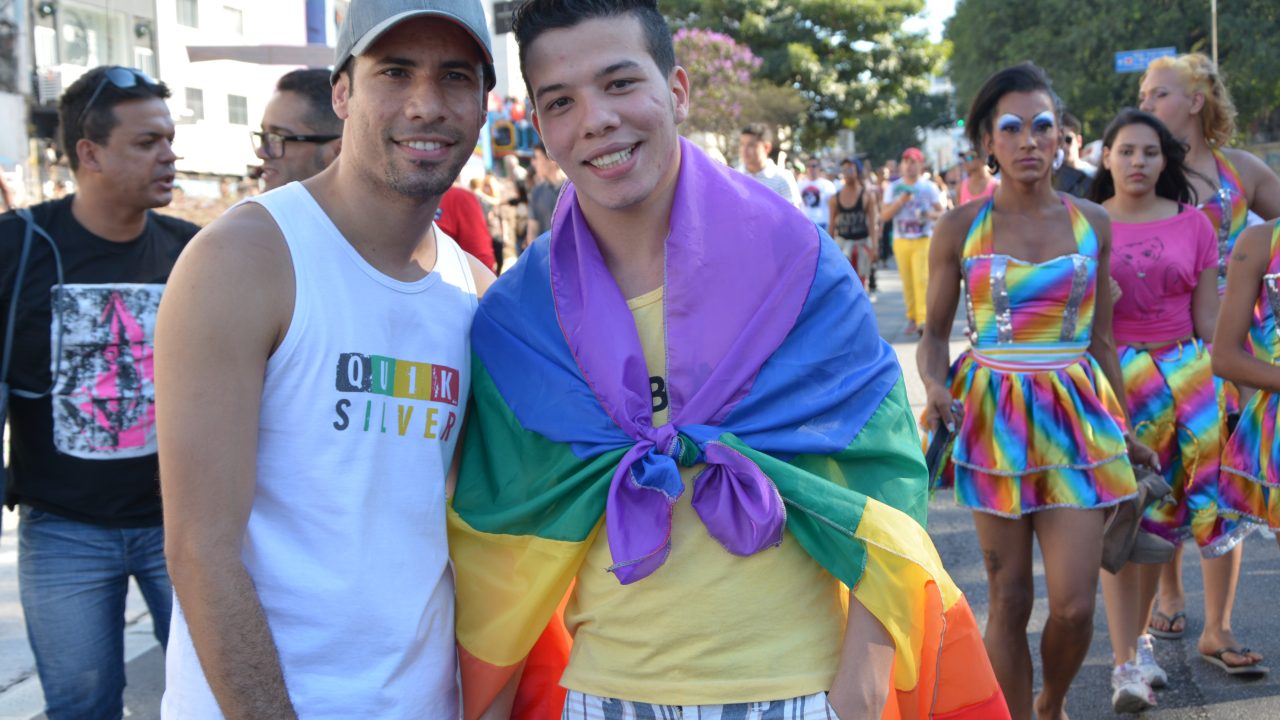
A proposed legislative measure seeking to prohibit minors from participating in the São Paulo LGBT+ Pride Parade has drawn sharp criticism from a jurist, who argues the initiative is both unconstitutional and demonstrates LGBTphobia. This commentary emerges amidst ongoing national discussions regarding the rights and public visibility of the LGBTQ+ community in Brazil.
Legal Expert’s Stance
Ariel de Castro Alves, identified as a jurist, has publicly stated his opinion that the proposed law carries inherent discriminatory intent. According to his assessment, such a prohibition would specifically target and marginalize the LGBTQ+ community, thereby infringing upon established principles of equality and non-discrimination. De Castro Alves’s statement suggests that, if enacted, the law would represent a regression in the protection of rights for a vulnerable population group.
Constitutional Challenges
The jurist’s analysis highlights potential conflicts with the Brazilian Constitution. The Constitution guarantees fundamental rights to all citizens, which include freedom of assembly and expression. Laws that disproportionately affect specific groups or impinge upon these basic freedoms are frequently met with legal challenges. De Castro Alves’s assertion that the law is unconstitutional implies that it may not withstand judicial scrutiny should it be passed into law.
Understanding LGBTphobia
The term LGBTphobia denotes prejudice, discrimination, or antagonism directed against lesbian, gay, bisexual, transgender, or queer individuals. By labeling the proposed law as indicative of LGBTphobia, the jurist suggests that the underlying motivation for the restriction is rooted in anti-LGBTQ+ sentiment rather than legitimate public safety or welfare concerns. This characterization frames the legislative effort as an attack on the community’s right to public celebration and expression.
The São Paulo LGBT+ Pride Parade is recognized as one of the largest and most significant events of its kind globally, attracting millions of participants and spectators annually. It serves as a crucial platform for raising awareness, advocating for rights, and celebrating LGBTQ+ identity. Attempts to restrict participation, particularly by minors who are often accompanied by family members or guardians, are widely viewed as efforts to diminish the event’s impact and visibility.
Implications for LGBTQ+ Rights in Brazil
The debate surrounding this proposed law underscores the persistent challenges faced by the LGBTQ+ community in Brazil. While progress has been made in legal recognition and social acceptance in certain areas, significant hurdles and pockets of resistance continue to exist. The jurist’s strong condemnation suggests that such legislative attempts are not isolated incidents but may reflect broader societal tensions and discriminatory attitudes.
The legal and social implications of such a law could be extensive. It could establish a precedent for further restrictions on LGBTQ+ public activities and send a discouraging message to young people who are questioning their identity or seeking support within the community. Advocates argue that instead of imposing restrictions, efforts should instead focus on ensuring safe and inclusive environments for all participants, regardless of age.
Key Details of the Proposed Legislation
- Proposed Law: Prohibits minors from attending the São Paulo LGBT+ Pride Parade.
- Legal Evaluation: Declared unconstitutional and indicative of LGBTphobia by jurist Ariel de Castro Alves.
- Core Argument: Violates fundamental rights and constitutes discrimination against the LGBTQ+ community.
- Broader Context: Part of ongoing debates concerning LGBTQ+ rights and visibility in Brazil.
This development holds relevance for FootballGames10 readers as it touches upon significant social issues that intertwine with public life and human rights. While not directly related to sports, it highlights the broader societal landscape in which athletes, fans, and communities operate, reflecting values and challenges that can impact inclusivity and public discourse within any sphere.
Source: UOL Esporte Futebol (https://noticias.uol.com.br/politica/ultimas-noticias/2026/05/21/projeto-denota-lgbtfobia-e-e-inconstitucional-diz-ariel-de-castro-alves.ghtm)
Source
UOL Esporte Futebol Original publication: 2026-05-22T02:28:38+00:00
Related news

Boca vs River Superclásico Confirmed for November 1 at La Bombonera
The Argentine Professional League has set the date and time for the next Boca Juniors vs River Plate Superclásico, scheduled for Sunday,…
Read story
Harry Kane equals Peter Shilton’s England caps record with two goals in Nations League win over Czechia
Harry Kane scored twice on the night he equalled Peter Shilton’s all-time England appearance record, leading the Three Lions to a 3-0…
Read story
Jesse Marsch says Canada “not afraid” as USMNT friendly intensifies rivalry
Canada coach Jesse Marsch has welcomed the pressure of facing the United States, stating his team is “not afraid” as the two…
Read story
Scotland vs Slovenia: Nations League Group B1 Clash at Hampden Park
Scotland and Slovenia meet at Hampden Park in a pivotal Nations League Group B1 encounter, with both sides level on four points…
Read story