
Messi’s Brilliance and England’s Tactics Decide World Cup Semi-Final
Lionel Messi's enduring class proved decisive as Argentina overcame England in a tense World Cup semi-final, with questions arising over England's late-game tactical approach.
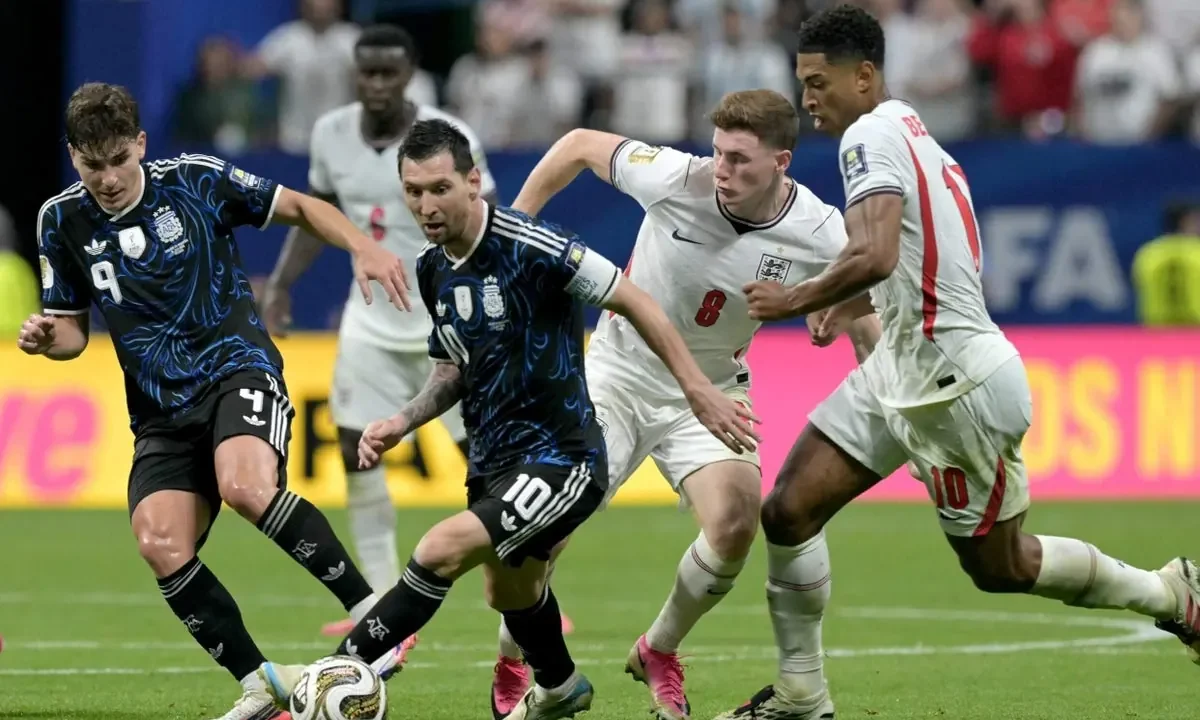
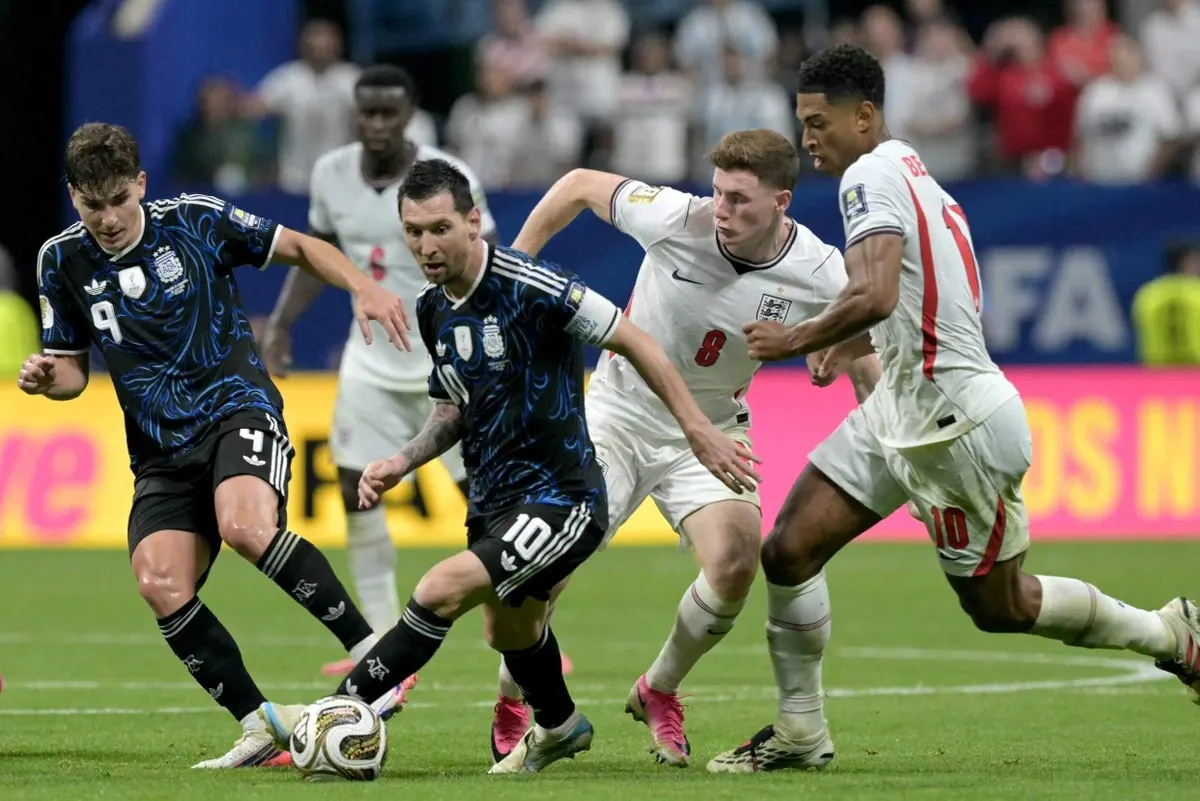
Argentina has advanced to another World Cup final thanks to a late surge of brilliance from Lionel Messi and a tactical approach from England that has drawn significant scrutiny. The South American giants secured a 2-1 victory over England in a tightly contested semi-final, leaving England to ponder another major tournament exit.
England’s familiar pattern of taking the lead, only to concede late on, repeated itself against Argentina. This defeat echoes previous eliminations, raising questions about manager Thomas Tuchel’s strategy in the crucial latter stages of the match.
Tactical Battle in the First Half
England’s game plan in the first half was clear: to stifle Lionel Messi and Argentina’s midfield. Manager Thomas Tuchel employed a man-marking strategy in central midfield, with Elliot Anderson tasked with staying tight to Messi. This approach aimed to prevent Argentina from building through the middle and accessing their talisman early.
The tactic appeared effective for much of the first period. Messi, who is now 39, lost possession 15 times in the opening 45 minutes, a higher figure than in the first half of any of his previous World Cup or Copa America matches. England’s defensive setup was robust, often crowding Messi and forcing him into less progressive carries. Of Messi’s 36 carries, only two moved the ball more than five metres upfield. Despite completing nine of 11 attempted dribbles, none directly led to a key pass or shot.
The first half was characterized by a risk-averse approach from both sides, with a combined 19 fouls and only three shots on target. England’s defensive structure, often featuring wingers pressing and centre-backs providing cover, successfully limited Argentina’s attacking threat.
Second Half Shift and Messi’s Influence
As the second half progressed, and particularly after England took the lead through Anthony Gordon, the dynamic began to shift. England’s decision to drop deeper and protect their advantage, a tactic that had served them well in previous matches against Mexico and Norway, provided Messi with more space.
Argentina, under coach Lionel Scaloni, relentlessly pushed forward, finding innovative ways to break down England’s compact defence. Kane noted the difficulty in maintaining pressure on the ball after England scored, describing it as “wave after wave” of attacks.
Argentina’s Overloads and Delayed Runs
One key strategy employed by Argentina was overloading the right flank, drawing multiple England players out of position and creating space elsewhere. This included Messi dropping into pockets of space, commanding the attention of England’s midfielders and forwards, and allowing players like Enzo Fernandez to find shooting opportunities.
Additionally, Argentina utilized delayed runs, a tactic that proved effective against Egypt. This forced England’s defence into uncharacteristic errors as they struggled to track runners and maintain their shape.
Scaloni’s substitutions in the 72nd minute, bringing on Rodrigo De Paul and Gonzalo Montiel for Leandro Paredes and Nahuel Molina, further bolstered their attacking options on the right flank. De Paul seamlessly interchanged with Messi, adding another dimension to Argentina’s attacks.
Even on the opposite flank, Argentina maintained pressure with relentless running, working the ball wide to open players like Montiel, forcing England into a deep defensive posture with limited options to apply pressure.
The Inevitable Moment
Despite England’s defensive efforts, the inevitability of Messi’s influence and Argentina’s attacking quality eventually told. Between Gordon’s opening goal and Lautaro Martinez’s match-winner, England controlled only 12 percent of the possession. This dominance allowed Messi to find his preferred half-space positions and drift wider, combining with teammates to create dangerous crossing opportunities.
Argentina’s ability to strike the ball with quality from these positions, as demonstrated by Rodrigo De Paul’s dangerous cross to Mac Allister that hit the post, proved decisive. Ultimately, a moment of brilliance from Messi, creating space and setting up the opportunity for Martinez, sealed England’s fate and sent Argentina to the final.
Key facts
| Detail | Information |
|—|—|
| Match | FIFA World Cup 2026 Semi-Final |
| Result | Argentina 2 – 1 England |
| Goalscorers | England: Anthony Gordon; Argentina: Lautaro Martinez (Messi assist) |
| Key Player | Lionel Messi (Argentina) |
| England’s Tactics | Defensive approach, man-marking on Messi |
| Argentina’s Tactics | Flank overloads, delayed runs, Messi’s creative play |
The outcome of this World Cup semi-final has significant implications for international football, highlighting the enduring impact of generational talents like Lionel Messi and sparking further debate on effective tactical approaches in high-stakes knockout matches.
Source: The Athletic Football – https://www.nytimes.com/athletic/7448551/2026/07/15/lionel-messi-england-argentina-tactics/
Datos clave
| Punto | Detalle |
|---|---|
| Fuente | The Athletic Football |
| Fecha | 2026-07-16T02:09:09+00:00 |
| Tema | How Lionel Messi's genius, and England's negativity, transformed a World Cup semi-final |
Source
The Athletic Football Original publication: 2026-07-16T02:09:09+00:00
Related news
Exposure to unhealthy food and drink branding ‘unavoidable’ during World Cup, new study finds
A University of Bristol study reveals nearly 66,000 visible appearances of unhealthy food and drink brands during the World Cup finals, raising…
Read story
Gillingham vs Cambridge United: EFL Trophy Southern Group G Preview, Team News, and Prediction
League Two's in-form Gillingham host League One side Cambridge United in the EFL Trophy on Tuesday. We preview the clash with team…
Read story
Brighton defeat exposes five cracks in Arsenal’s Premier League title defence
Arsenal’s perfect start to the season came to a sudden halt with a 3-0 loss at Brighton. The result has raised fresh…
Read story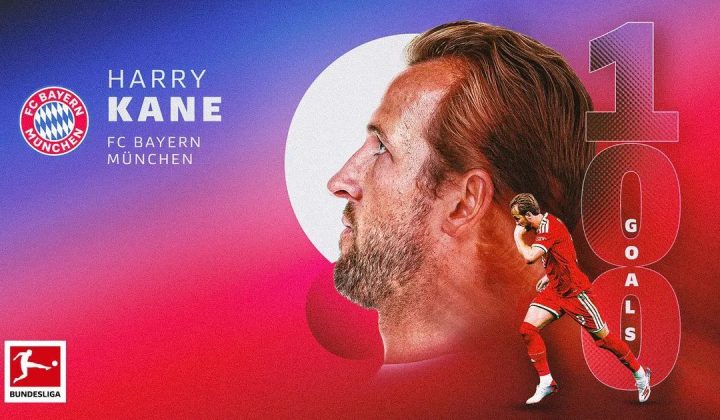
Harry Kane Fastest to 100 Bundesliga Goals, Reaches Milestone in 98 Appearances for Bayern Munich
Harry Kane scored his 100th Bundesliga goal in Bayern Munich’s 7-0 win over Union Berlin, setting a new record for the fastest…
Read story